Does Idaho Have a State EITC?
Figuring out your taxes can feel like a never-ending quest, especially when you're trying to make every dollar count. Many families and individuals rely on tax credits to reduce their burden, but navigating what's available at the state level can be incredibly confusing. If you live in Idaho and you've been wondering if there's a state-level Earned Income Tax Credit (EITC) to help stretch your hard-earned money a little further, you're not alone. This guide will walk you through Idaho's current stance on the EITC and what it means for your wallet.
Understanding the Earned Income Tax Credit (EITC)
The Earned Income Tax Credit (EITC) is one of those powerful tax breaks that can make a real difference for working individuals and families, especially those with low to moderate incomes. But the thing is, it's not a one-size-fits-all credit. There's a federal EITC, which most people are familiar with, and then many states have their own versions. The difference between the two can be a source of a lot of head-scratching, so let's clear that up first.
What is the Federal EITC and Why Does It Matter?
At its core, the federal EITC is designed to boost the incomes of working people, encourage work, and reduce poverty. It's a refundable credit, which is a really important distinction. This means that if the credit amount is more than the tax you owe, you actually get the difference back as a refund. Imagine you owe $500 in taxes, but you qualify for a $1,000 EITC. Instead of just wiping out your tax bill, you'd get a $500 refund. That's a huge deal for families struggling to make ends meet, allowing them to pay for necessities like groceries, rent, or school supplies.
Eligibility for the federal EITC depends on several factors, including your income, filing status, and the number of qualifying children you have. The credit amount varies significantly, with larger credits available for families with more children. For instance, a single person with no children making a modest income might qualify for a smaller credit than a married couple with three children. Each year, the IRS updates the income thresholds and maximum credit amounts, so it's always worth checking if you qualify. This credit is a cornerstone of support for millions of Americans, providing a much-needed financial boost that directly impacts households across the country.
The Landscape of State EITCs: A Patchwork System
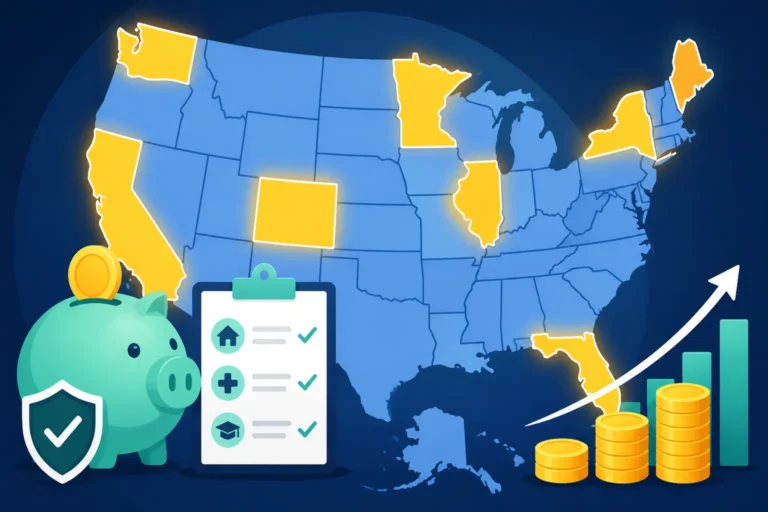
Now, here's where things get a bit more complicated. While the federal EITC is universal across the U.S., states have the option to adopt their own state-level EITCs. And let me tell you, they've taken a real patchwork approach to it! Some states fully mirror the federal EITC, offering a percentage of whatever you qualify for on your federal return. Others have designed their own unique state-specific EITCs with different eligibility requirements or credit amounts. And then, there are states that simply don't have one at all.
This creates a ton of confusion for taxpayers, especially those who move between states or who live near state borders. What was available in one state might not be in another, and keeping up with the nuances can feel like a full-time job. It’s no wonder people feel overwhelmed when tax season rolls around. The existence of a State Earned Income Tax Credits (EITC) Guide is a testament to how varied and complex this landscape truly is. This diversity reflects different state priorities, economic conditions, and political philosophies regarding how best to support working families through their tax codes.
Idaho's Stance on the Earned Income Tax Credit
So, after all that talk about federal and state EITCs, what's the deal with Idaho? This is the question that brings most people here, and it's a critical one for managing your finances.
Does Idaho Offer Its Own State EITC?
Let's cut right to the chase: No, Idaho does not currently have its own state-level Earned Income Tax Credit. This means that if you're an Idaho resident, you won't find a line item on your Idaho state tax return specifically for a state EITC, nor will you receive an additional credit percentage based on your federal EITC amount. For many, this comes as a disappointment, especially if they're used to receiving such a credit in a different state or if they've heard about EITCs in other parts of the country.
This isn't to say Idaho doesn't offer other forms of tax relief, but specifically regarding an EITC designed to complement the federal version, it simply isn't on the books right now. This can leave low to moderate-income families in Idaho feeling like they're missing out compared to their counterparts in states that do offer this valuable credit. It's a key distinction that can significantly impact a family's take-home pay or refund, making it even more important for Idahoans to be aware of other credits and deductions they might qualify for.
The Rationale (or Lack Thereof) Behind Idaho's Approach
Understanding why a state chooses not to adopt a specific tax policy can be complex, often stemming from a mix of economic philosophies, budget considerations, and political priorities. In Idaho's case, the absence of a state EITC isn't necessarily due to a lack of awareness of the credit's benefits, but rather a consistent legislative choice. Idaho's lawmakers have, to date, not moved forward with legislation to create a state EITC. Discussions around tax policy in Idaho often focus on different strategies for providing relief, such as lowering overall income tax rates or implementing other targeted credits.
Advocates for an Idaho EITC often point to the proven benefits seen in other states, such as reducing child poverty, stimulating local economies as refunds are spent, and encouraging workforce participation. Organizations like SmartAsset regularly highlight how various tax credits impact different states, and the EITC is consistently lauded for its effectiveness. However, those who oppose or have tabled such proposals in Idaho might raise concerns about the potential fiscal impact on the state budget, arguing that other tax cuts or programs might be more beneficial or fiscally responsible. It's a perpetual balancing act between revenue needs, economic growth, and direct taxpayer relief, and for now, Idaho's legislature has leaned away from implementing this particular credit.
Navigating Idaho Taxes Without a State EITC
While the absence of a state EITC in Idaho might feel like a letdown, it's really important to remember that it doesn't mean you're out of options when it comes to saving money at tax time. You still have access to the federal EITC if you qualify, and Idaho does offer other deductions and credits that can reduce your overall tax liability.
Federal EITC Remains Available for Idaho Residents
Here's the good news: Even without a state EITC, eligible Idaho residents can absolutely still claim the federal Earned Income Tax Credit. This is a federal program, after all, and it's available to qualifying individuals and families across all 50 states, regardless of their state's individual EITC policies. So, if your income, filing status, and number of qualifying children meet the IRS criteria, you should definitely apply for the federal EITC.
This federal credit can still provide a substantial boost to your finances. For example, a family in Boise, Idaho, with two children and an adjusted gross income (AGI) within the federal limits might still qualify for several thousands of dollars in federal EITC. This refund can be incredibly helpful for managing household budgets, paying down debt, or saving for the future. Don't let the lack of a state EITC deter you from claiming the federal credit you're entitled to! Always make sure to check the most current IRS guidelines for eligibility and maximum credit amounts when you're preparing your tax return.
Other Idaho Tax Credits and Deductions to Explore
Even without a state EITC, Idaho isn't entirely without its own tax relief provisions. It's crucial for residents to dig a little deeper into the Idaho State Tax Code to uncover other potential savings. These might not be as widely recognized as the EITC, but they can still significantly reduce your state tax bill.
For instance, Idaho offers a standard deduction, which is a fixed dollar amount that reduces your taxable income, similar to the federal standard deduction. You can learn more about how it compares to federal options in our guide on State Standard Deduction vs Itemized (2026). For those who itemize, certain expenses like medical expenses or charitable contributions might be deductible, although typically fewer people itemize at the state level than at the federal level.
Idaho also has some specific credits that could apply to various situations. For example, there's a credit for dependent care expenses, which helps offset the costs of childcare for working parents. Another notable credit is for grocery, sales, and use tax. This credit, often referred to as a "grocery credit," provides a small per-person credit to help offset the sales taxes paid on groceries and other essential items throughout the year. While it's not a large credit, every little bit helps, especially for larger families. Property tax relief programs, particularly homestead exemptions for homeowners, can also indirectly reduce your overall tax burden by lowering your property tax bill, which then impacts your finances. For a complete picture of what's available, checking out a resource like Idaho Tax Deductions and Credits 2026 can be invaluable.
Here's a quick look at some general categories of Idaho tax relief you might want to investigate:
Tax Relief Category Description training for military spouses or children to help with child care expenses. They can also explore if they qualify for any programs for low to moderate-income households. This also doesn't consider the property tax relief that might be found via a Homestead Exemption.
How Tax Software Can Help You Find Savings
Let's be real, keeping track of every single potential deduction or credit can be utterly exhausting. That's why leveraging modern tax software is almost non-negotiable for many of us. Programs like TurboTax are designed to walk you through your income and expenses step-by-step, asking targeted questions that help identify every possible deduction and credit you might be eligible for. Even without an EITC, this software can make a huge difference in ensuring you're not leaving any money on the table.
These platforms take the guesswork out of determining if you qualify for something like a dependent care credit or if your itemized deductions outweigh the standard deduction. They automatically apply the correct Idaho State Income Tax Rate 2026 to your taxable income and calculate your refund or amount due. While they can't create an EITC where none exists, they excel at maximizing your refund based on existing federal and state laws. Plus, they offer features like explaining Why Do I Owe State Taxes This Year and even guiding you on How to File State Taxes: Complete Guide, making the entire process far less intimidating.
The Debate and Future of a State EITC in Idaho
The discussion around tax credits, especially those impacting working families, is never really settled. What's true today can change tomorrow as legislative priorities shift and new economic data emerges.
Ongoing Discussions and Advocacy for an Idaho EITC
Despite the current absence of a state EITC, the idea isn't entirely off the radar for Idaho. Advocacy groups and some lawmakers periodically bring up the possibility of introducing such a credit. They often highlight the success of EITCs in other states in boosting local economies, supporting working parents, and reducing poverty rates among children. The argument is often made that a state EITC would complement the federal credit, providing even more meaningful relief to families who need it most, without necessarily requiring a complex new system from scratch if it were structured as a percentage of the federal credit.
These discussions aren't always front-page news, but they are ongoing in legislative sessions, public policy forums, and community meetings. Proponents believe that an EITC could make Idaho a more attractive place for families to live and work, by ensuring that those at the lower end of the income spectrum have more disposable income. It's a testament to the credit's broad impact that the conversation continues to resurface.
What to Watch For: Potential Changes in Idaho Tax Law
For Idaho residents who are hoping for an EITC in the future, staying informed is key. Tax laws are dynamic and can change based on economic conditions, state budgets, and new legislative initiatives. While there's no immediate indication of a state EITC on the horizon, legislative sessions often bring forward various proposals for tax reform or relief. Keeping an eye on state news, legislative summaries, and the websites of organizations that advocate for family economic well-being can help you stay abreast of any potential shifts.
Changes to state tax laws are often debated publicly, and sometimes citizens have opportunities to voice their opinions. If a proposal for an Idaho EITC were to gain traction, it would likely involve public hearings and robust discussion. Understanding the various tax credits that exist in other states, such as those covered in Which States Have a State EITC?, can give you a better context for what might be proposed for Idaho. Until then, focusing on maximizing your federal EITC and any other Idaho-specific credits or deductions is your best strategy for managing your state tax liability.
Disclaimer
Please remember that tax laws are always changing and can be incredibly complex. This article provides general information and should not be considered professional tax advice. Always consult with a qualified tax professional or refer to the official Idaho State Tax Commission resources for personalized guidance regarding your specific tax situation.