Why Is My California Refund Taking So Long?
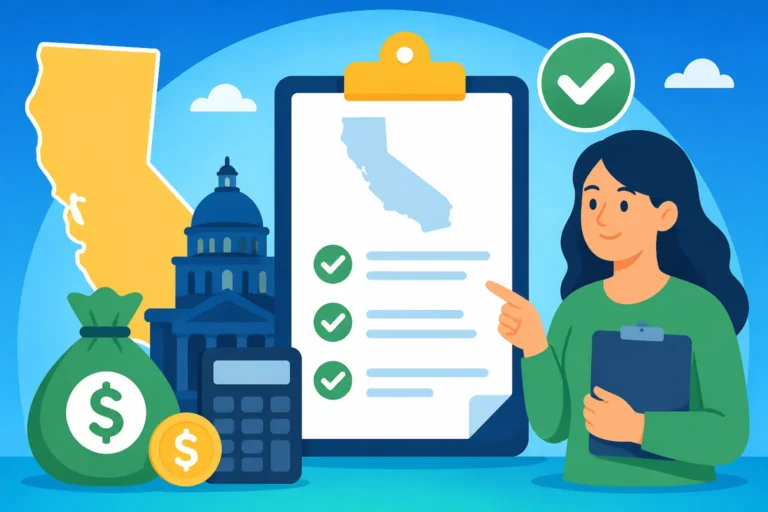
It's incredibly frustrating when you're eagerly waiting for your state tax refund, only to find it's taking much longer than expected, especially in a state like California. Many Golden State taxpayers experience this delay, leaving them wondering what went wrong and when their money will finally arrive. This comprehensive guide will walk you through the common reasons for California refund delays and provide actionable steps to track down your refund and understand the process better.
Understanding California's Tax Refund Process
California's tax system is one of the largest and most complex in the nation, reflecting its huge population and diverse economy. The state's Franchise Tax Board (FTB) is responsible for processing millions of individual and business tax returns each year, a monumental task that involves significant checks and balances.
The Golden State's Unique Filing System
When you file your California state income tax return, whether you use a popular software like TurboTax or opt for a tax professional, your return doesn't just get a quick glance. The FTB has sophisticated systems in place to review returns for accuracy, completeness, and potential fraud. Unlike some smaller states, California deals with an immense volume of filings, which naturally affects processing times. This system also needs to interact with the federal IRS, and sometimes discrepancies between your federal and state returns can trigger additional review, especially if you're claiming deductions or credits that differ significantly. The sheer scale of operations means that every step, from initial data entry (for mailed returns) to final verification, is a crucial part of the process.
Typical Processing Times and Expectations
Generally speaking, if you e-file your California tax return and choose direct deposit for your refund, you can typically expect your refund to arrive within two to three weeks. However, if you mail a paper return, that timeframe can stretch significantly, often taking six to eight weeks, and sometimes even longer during peak filing season. It's important to remember these are averages. Many factors can influence your personal waiting period. For instance, if you're a part-year resident and had to file for both California and another state, the complexity of your situation might mean a longer review. Understanding the general flow can help set realistic expectations, but it doesn't lessen the anxiety when your refund seems to be stuck in limbo. For a deeper dive into overall processing, you might find our guide on Where's My State Refund? Check by State helpful.
Common Reasons for California Refund Delays
When your refund doesn't hit your bank account or mailbox within the expected timeframe, it's natural to start wondering why. There are several common reasons that can cause the California FTB to slow down or even halt your refund until further review or action.
Errors on Your Tax Return
This is probably one of the most frequent culprits behind a delayed refund. Even a small mistake can lead to a hold. Maybe you accidentally entered the wrong Social Security number, transposed a few digits in your bank account information for direct deposit, or miscalculated a deduction or credit. Filing software like TurboTax does a great job of catching many of these errors, but human error still happens.
For example, perhaps you forgot to include a W-2 form, or you claimed a deduction that the FTB's system flags as unusual for your income level. If the FTB finds an inconsistency, they'll often send you a letter requesting clarification or additional documentation. Until they receive and process that information, your refund will remain on hold. It's critical to respond to these notices promptly and accurately to get your refund moving again. This is also why understanding How to Calculate My State Income Tax correctly is so important from the start.
Identity Theft and Fraud Prevention Measures
California, unfortunately, is a big target for identity theft and tax fraud. Because of this, the FTB has implemented robust fraud detection systems. While these measures are essential to protect taxpayers, they can sometimes cause delays for legitimate returns. If your return triggers a fraud alert – maybe it's the first time you've e-filed, or your income or deductions changed dramatically from previous years – the FTB might flag it for a manual review.
This could involve cross-referencing your information with other state and federal databases, or even sending you a letter to verify your identity. These verification processes can add weeks, or even months, to your refund timeline. It's a double-edged sword: you want them to catch the bad guys, but it's frustrating when you're caught in the crossfire.
High Volume Periods and System Updates
Tax season is, predictably, the busiest time of year for the FTB. Just like the IRS, the FTB experiences a massive surge in filings leading up to the April deadline. Returns filed closer to the deadline often take longer to process simply due to the sheer volume. Additionally, the FTB, like any large agency, undergoes system updates and maintenance. Sometimes these updates can temporarily impact processing speeds.
For example, if the state legislature passes new tax laws or introduces new credits, the FTB's systems need to be updated to reflect these changes, which can sometimes cause temporary backlogs. If you filed around a major holiday or a time when the FTB was known to be implementing a significant change, your refund might be caught in a slower processing wave. Keep in mind that State Tax Deadlines 2026 (All States) are generally uniform, but processing speeds are not.
Manual Review Flags
Beyond simple errors and fraud detection, various other factors can lead to a manual review, slowing down your refund. These might include:
- Claiming certain uncommon tax credits: If you're claiming a niche credit that requires specific documentation, your return might be pulled for a closer look.
- Significant changes in income or deductions: A sudden, large increase or decrease in reported income or unusually high deductions compared to previous years can raise a flag.
- Amended returns: If you've filed an How to File an Amended State Return, it will naturally take longer to process as the FTB compares it to your original filing.
- Returns with complex tax situations: This could involve income from multiple states, significant business losses, or other intricate financial scenarios that require human review.
- Outstanding debts: If you owe money to the state for things like child support, unpaid student loans, or previous state tax liabilities, your refund might be intercepted to cover those debts. This is known as a "refund offset," and the FTB will typically send you a notice explaining it.
It's not always easy to know if your return has been flagged for a manual review, but understanding these potential triggers can help you anticipate a longer wait time.
How to Check Your California Refund Status
Once you've filed your tax return and the waiting game begins, the first thing you want to know is, "Where's my money?" Thankfully, California provides a straightforward way to check on your refund's progress.
Using the FTB's Online Tool
The California Franchise Tax Board offers an online "Check Your Refund Status" tool, which is your go-to resource. To use it, you'll generally need the following information:
- Your Social Security number (SSN) or Individual Taxpayer Identification Number (ITIN)
- Your date of birth
- Your ZIP code
- The exact refund amount you're expecting (this is crucial for verification)
You can usually find this information readily in the tax software you used, like TurboTax, or on your physical tax forms if you filed manually. The online tool will provide you with the most up-to-date information the FTB has on your refund. It might tell you your refund is processing, has been issued, or if there's an issue requiring further action. Keep in mind that the system updates periodically, so checking multiple times a day isn't usually necessary; once a day or every couple of days is sufficient. Our general guide on How Long Does a State Refund Take? also offers some comparative insights.
When to Contact the Franchise Tax Board (FTB)
While the online tool is very helpful, there might come a point when you need more specific information or believe there's a problem. It's generally advised to wait at least a few weeks (21 days for e-filers, 6-8 weeks for paper filers) beyond the typical processing times before contacting the FTB directly.
If your online status checker shows no updates for an extended period, or if it indicates an issue you don't understand, then it's time to reach out. You can contact the FTB by phone. Be prepared for potentially long wait times, especially during peak tax season. Have all your tax documents ready, including your SSN, the tax year in question, and a copy of your filed return. The representative will be able to access your account and provide more detailed information on why your refund might be delayed or what steps you need to take. They often have access to more specific internal codes or notes that the online system doesn't display.
Steps to Take When Your Refund is Delayed
A delayed refund can be incredibly stressful, especially if you're counting on that money for bills or unexpected expenses. Don't panic, but do take proactive steps to address the situation.
Double-Checking Your Filed Return
Before you even think about calling the FTB, take a deep breath and re-examine your copy of the tax return you submitted. Seriously, pull out that PDF from TurboTax or your paper copy. Look for any glaring errors:
- Social Security Number: Is it correct for you and any dependents?
- Name and Address: Does it match your records exactly?
- Bank Account Information: If you chose direct deposit, double-check every digit of your routing and account number. A single transposed number can send your refund to the wrong account or cause it to bounce back to the FTB.
- Income Reporting: Did you include all W-2s, 1099s, and other income statements?
- Deductions and Credits: Are the amounts you claimed accurate and can you back them up with documentation if needed?
- Signatures: If you mailed a paper return, did you sign it? Unsigned returns are a common reason for processing delays.
Catching an error here can save you a lot of headache and give you insight into why there's a delay. Sometimes, simply knowing what might be wrong is half the battle. This vigilance is also crucial if you've moved recently, as the rules for How to Change Your State Residency for Taxes can be quite complex.
Responding to FTB Notices Promptly
If the FTB sends you a letter, do not ignore it! These letters are almost always critical to resolving your refund delay. They might be asking for:
- Identity Verification: A common request if they suspect fraud. They'll provide instructions on how to verify your identity online or by mail.
- Additional Documentation: Proof for a specific deduction, credit, or income source.
- Clarification: They might have questions about a particular line item on your return.
- Adjustment Notification: They might inform you they've adjusted your return and the refund amount, or even that you owe more.
Read the letter carefully, gather the requested information, and respond exactly as instructed, by the deadline provided. Delaying your response will only prolong your refund delay. If you're unsure about what the letter means, consider seeking advice from a tax professional.
What to Do If You Need Funds Urgently
In some cases, a delayed refund can cause significant financial hardship. While there's no magic button to speed up the FTB's process, you can explore other options if you desperately need the funds:
- Review Your Budget: First, review your current budget to see if there are any immediate expenses you can cut back on or defer.
- Contact Creditors: If you're facing overdue bills, reach out to your creditors (utility companies, landlords, etc.) and explain your situation. Many are willing to work with you on temporary payment arrangements, especially if you can show you have a refund coming.
- Emergency Savings: If you have an emergency fund, now might be the time to tap into it.
- Consider a Loan (with caution): While generally not recommended due to high-interest rates, if you are in a dire emergency, a small personal loan from a reputable lender might be an option. Avoid "refund anticipation loans" which often come with exorbitant fees.
- Explore State Assistance Programs: Depending on your circumstances, there might be state or local assistance programs available for housing, food, or utilities.
Remember, patience is a virtue, but proactive steps are key. Understanding the FTB's process and knowing how to respond effectively will ultimately help you get your California tax refund in your hands faster. If you're looking for free filing options, you might be interested in our guide on Free State Tax Filing Options 2026.
| Potential Reason for Delay | Typical Impact on Timeline | Recommended Action |
|---|---|---|
| Minor Error (e.g., SSN, address) | 2-4 weeks extra review | Double-check your return, respond to FTB notices. |
| Incorrect Bank Info | 3-6 weeks (refund bounced, reissued) | Verify direct deposit details. FTB will usually mail a check if direct deposit fails. |
| Identity Verification Flag | 4-8 weeks or more | Respond immediately to FTB's ID verification request. |
| High Volume Filing (peak season) | 1-3 weeks additional wait | Be patient; check status online periodically. |
| Complex Return / Manual Review | Varies widely (weeks to months) | Respond promptly to any requests for information or documentation. |
| Amended Return | 8-12 weeks or more | FTB manually reviews these; check status periodically. |
| Outstanding State Debt (Offset) | Refund reduced or seized | FTB will send a notice explaining the offset; contact relevant agency if disputed. |
| Missing Forms (e.g., W-2, 1099) | 2-6 weeks | FTB will request missing documents. |
For those looking to understand how their total tax burden is calculated, learning about the Marginal vs Effective Tax Rate Calculator Guide can be very insightful. You might also be curious about how California's tax structure compares to others, perhaps even researching Is California Tax Friendly? Full Breakdown. For questions regarding other income types, such as from retirement, you might find our article on Does California Tax Retirement Income? relevant. If you're a remote worker living in a no-tax state but working for a California company, then knowing about Remote Worker Living in No-Tax State can be very useful. And for those planning a big move, understanding Moving From California to Avoid State Tax is key.
Disclaimer
The information provided in this guide is for general informational purposes only and does not constitute tax advice. Tax laws are complex and subject to change. It is always recommended to consult with a qualified tax professional or the California Franchise Tax Board for personalized advice regarding your specific tax situation.