How Do I File Taxes If I Moved States?
Filing state taxes after moving requires understanding residency status, domicile, statutory rules, and part-year income allocation guidelines.

Filing state taxes after moving requires understanding residency status, domicile, statutory rules, and part-year income allocation guidelines.

Florida state income tax rules and reciprocity agreements explained for cross border workers filing state returns.
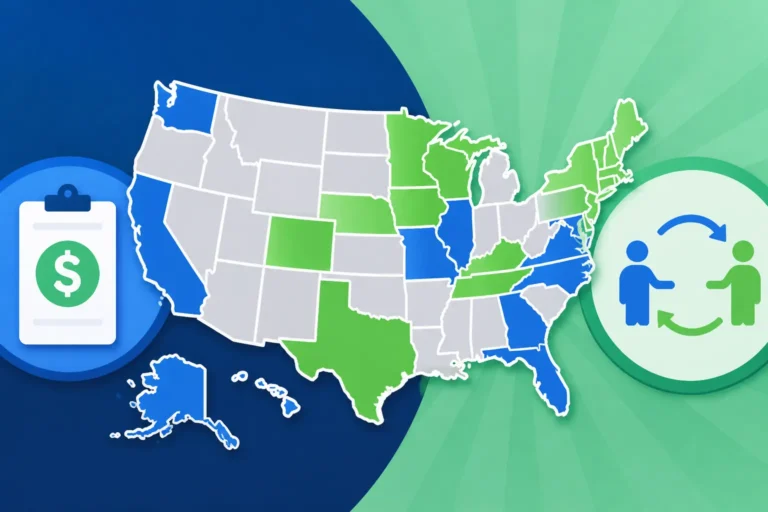
State tax reciprocity agreements and tax credits help commuters avoid double taxation when working across state borders.

State income tax obligations for commuters and remote workers depend on domicile, statutory residency, and physical work locations.
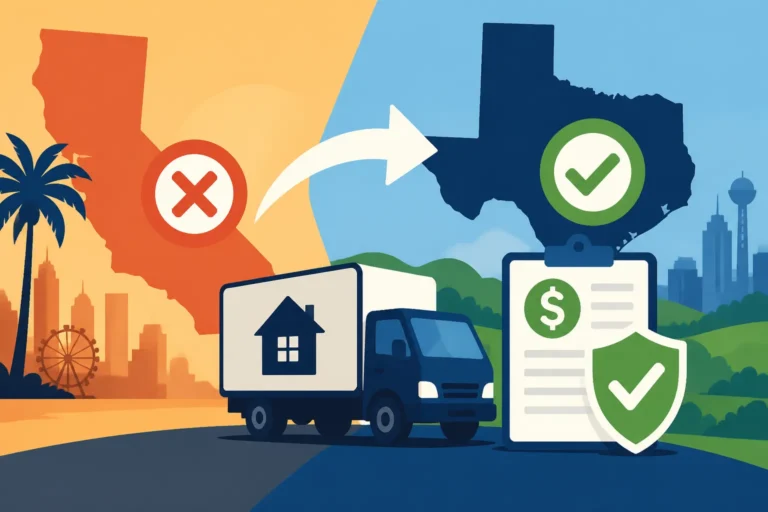
Moving from California to Texas involves comparing high income tax rates with property and sales taxes, plus establishing legal domicile.

Moving from New York to Florida eliminates state income and estate taxes while changing property and sales tax obligations.

Changing state residency requires navigating domicile rules and tracking the 183-day limit to avoid double taxation on income.

State tax residency rules explain why people cannot generally be residents of two states despite maintaining multiple homes.

States judge residency by domicile, a true, fixed, permanent home, and by statutory residency, going beyond day counts, and mistakes bring surprise tax bills.

The 183-day rule determines state statutory residency for tax purposes when individuals maintain a permanent home there.