Florida State Income Tax Calculator Guide
It’s a common scenario: you’re dreaming of the Sunshine State, perhaps escaping colder winters or higher tax burdens, and you start searching for a "Florida state income tax calculator." You might even type in "Florida tax brackets 2026" hoping to figure out your take-home pay. But here’s the thing – those searches, while well-intentioned, are looking for something that largely doesn't exist for individual wage earners in Florida. This guide will walk you through why a traditional income tax calculator isn't what you need for individual income in Florida, and what you should be considering instead when it comes to your overall tax picture.
The Truth About Florida State Income Tax Calculators
Let's cut right to the chase: if you're an individual earning wages or salary in Florida, you won't find a state income tax calculator because the state simply doesn't levy one. This can be a huge relief for many people, especially those moving from high-tax states. It's one of the biggest draws for residents, from young professionals to retirees, and it significantly impacts how you approach your personal finances.
Why You Won't Find a Florida Income Tax Calculator
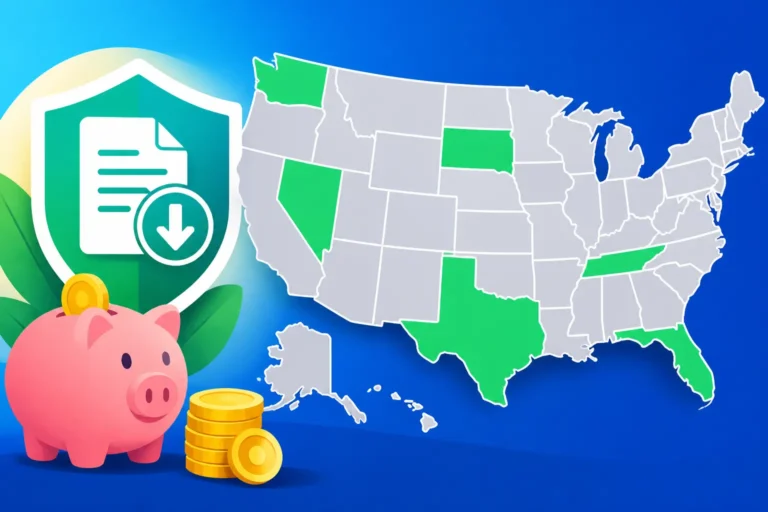
The reason is straightforward: Florida is one of nine states that currently does not impose a state income tax on wages or salaries. This means your paycheck won't see a deduction for state income tax, unlike federal income tax, which everyone in the U.S. still pays. For many, this translates to a noticeably higher take-home pay, which can make a substantial difference in budgeting, savings, and discretionary spending. If you've been grappling with complex calculations for other states, this fact alone might feel like a breath of fresh air. Understanding Does Florida Have State Income Tax? is the first and most critical step in grasping Florida's tax environment.
What This Means for Your Paycheck
Imagine you're earning $75,000 a year. In a state with a progressive income tax, a significant portion of that might go to state coffers. But in Florida, that money stays in your pocket (after federal taxes, of course). This makes Florida particularly appealing for workers and business owners, as it can drastically reduce their overall tax burden. This lack of state income tax is a primary reason why many consider Florida one of the Best States for High Earners (Tax), and it certainly contributes to why Is Florida Tax Friendly for Workers? is a question often answered with a resounding "yes."
However, it's really important to remember that "no income tax" doesn't mean "no taxes at all." Florida still needs to fund its state services, and it does so through other revenue streams, which we'll explore in detail.
Unpacking Florida's Tax Landscape Beyond Income
While the absence of state income tax is a huge advantage, Florida homeowners and consumers still contribute significantly to the state's revenue through other taxes. It’s crucial to look at the whole picture when considering a move or managing your finances in Florida, because the other taxes can add up.
Sales Tax: A Daily Consideration
Florida has a statewide sales tax rate of 6%. On top of that, many counties and municipalities levy their own local sales taxes, which can push the combined rate higher. For instance, in places like Miami-Dade County, the total sales tax rate is 7%, and in Hillsborough County (Tampa), it's 8.5%. This means that almost every time you buy something – groceries (excluding most unprepared food), clothes, electronics, a new car – you're paying into the state's tax system. Even short-term rentals, like a vacation condo, are subject to sales tax and additional tourist development taxes. This system ensures that both residents and the millions of tourists who visit each year contribute to the state's coffers.
It's a consumption-based tax model, meaning the more you spend, the more sales tax you pay. For someone with a high income who saves a lot and spends less, the sales tax burden might feel lower than for someone who spends a larger portion of their income on taxable goods and services.
Property Tax: A Major Financial Commitment
For homeowners in Florida, property taxes are often the most significant state and local tax burden. Unlike income tax, which is non-existent, and sales tax, which you pay as you spend, property taxes are an annual expense that can vary dramatically based on where you live. Your property tax bill is calculated by multiplying your property's assessed value by the local millage rate. These rates are set by various local taxing authorities, including the county, city, school board, and special districts.
For example, a home in a bustling coastal city like Naples or Sarasota might have a higher assessed value and therefore a higher property tax bill than a similar home in a more rural part of the state, even with similar millage rates. However, popular areas with lower home values can still have high tax burdens if their millage rates are elevated due to local services. This is why when you're thinking about establishing a presence here, particularly if you're looking to How to Establish Florida Domicile, understanding the property tax implications for specific locations is absolutely critical. While Florida offers some homestead exemptions that can help reduce the taxable value of your primary residence, it's still a considerable expense that needs to be factored into your budget.
Other Florida Taxes to Be Aware Of
Beyond sales and property taxes, Florida also has:
- Corporate Income Tax: Businesses operating in Florida (specifically C-corporations) pay a corporate income tax of 5.5%. This doesn't directly affect individuals' paychecks but is a factor for business owners.
- Intangibles Tax: Historically, Florida taxed "intangible" assets like stocks and bonds. This tax was repealed for individuals, which is good news for investors.
- Gasoline Tax: You'll pay state and federal taxes at the pump, as in most other states.
- "Sin" Taxes: Taxes on things like tobacco and alcohol are also part of the state's revenue stream.
Here’s a quick overview of Florida’s primary tax sources:
| Tax Type | Florida Individual Impact | Notes |
|---|---|---|
| State Income Tax | None | Major financial benefit for residents. |
| Sales Tax | 6% statewide + local surtaxes | Paid on most goods, services, and short-term rentals. |
| Property Tax | Varies significantly by location | Annual tax on real estate; homestead exemptions available. |
| Corporate Income Tax | None for individuals (5.5% for C-corps) | Affects businesses, not individual wage earners. |
| Estate/Inheritance Tax | None | No state-level death taxes. |
| Gasoline Tax | Paid at the pump | Standard fuel taxes. |
This table highlights that while you might not have a state income tax bill, your wallet will still be affected by other levies. It's often said that States With No Income Tax but High Other Taxes are common, and Florida exemplifies this to some extent, balancing the lack of income tax with robust consumption and property taxes.
Real-World Financial Planning in the Sunshine State
When you’re considering Florida, whether it's for retirement, work, or a fresh start, looking beyond just the income tax aspect is paramount. A comprehensive financial plan needs to account for all your potential costs.
Total Tax Burden: The Full Picture
Instead of focusing solely on the absence of state income tax, it’s far more helpful to consider your total tax burden. This includes federal income tax, state sales tax, local property taxes, and any other fees or levies you might incur. For many, Florida’s total tax burden remains attractive, especially for retirees or those with high incomes and lower consumption patterns. However, for others, particularly those with modest incomes who rent (and thus don't pay property taxes directly but through rent) and spend a larger portion of their earnings on taxable goods, the sales tax can feel more impactful.
Think about someone who is contemplating Moving to Florida From New York: Taxes. While they would save significantly on state income tax, they would need to weigh that against potentially higher property taxes (depending on where they move), and sales taxes on their purchases. It's a complex equation that's unique to each individual.
Planning for Property and Sales Taxes
Since property and sales taxes are your primary state-level tax expenses in Florida, these are where your planning efforts should be concentrated.
- Property Taxes: Research property tax rates in specific counties and cities you’re considering. Websites for county property appraisers and tax collectors are excellent resources. Look at historical tax bills for properties you're interested in. Understand how homestead exemptions can reduce your taxable value if you plan to make Florida your primary residence.
- Sales Taxes: While you can’t avoid sales tax, being aware of the combined rate in your area helps you budget for larger purchases. For businesses, careful planning around sales tax collection and remittance is critical.
While there isn't a "Florida state income tax calculator" in the traditional sense, using tools that aggregate total tax burden (including property and sales taxes) can be immensely helpful. Financial planning resources from reputable sources like SmartAsset can help you map out these various expenses, providing a clearer picture of your overall financial obligations. They don't just focus on income tax, but on the whole spectrum of costs that impact your bottom line.
Retirement Income and Florida Taxes
For many retirees, Florida is a beacon of tax-friendliness. Not only does it lack a state income tax, but it also does not tax retirement income from sources like Social Security benefits, pensions, or 401(k) and IRA withdrawals. This is a massive advantage compared to states that tax various forms of retirement income. If you're wondering Does Florida Tax Retirement Income?, the answer is generally no, making it a prime destination for those looking to stretch their retirement savings further. This is a huge relief for many who have worked hard to save for their golden years.
However, even retirees need to be mindful of property taxes, especially if they are buying a new home in a desirable area, as these can still represent a substantial annual cost.
Making an Informed Move: Tax Implications and Considerations
Deciding to move to a new state, especially one with a unique tax structure like Florida, involves much more than just packing boxes. It requires careful consideration of how your finances will change, not just year-to-year, but throughout your entire financial journey.
Establishing Florida Residency
To fully reap the tax benefits of Florida, you need to legally establish residency. This isn't just about showing up; it involves demonstrating your intent to make Florida your permanent home. Steps include:
- Filing a Declaration of Domicile with the county clerk.
- Obtaining a Florida driver's license.
- Registering your vehicles in Florida.
- Registering to vote in Florida.
- Opening bank accounts in Florida.
- Changing your mailing address for all important documents.
For a deeper dive into the legal nuances, explore our guide on State Tax Residency Rules Explained. This is especially crucial for individuals who split their time between Florida and another state, as some states (like New York or California) have very aggressive residency audit programs to determine if you truly severed ties. You really need to understand How to Establish Florida Domicile properly to avoid potential headaches down the line.
Beyond Taxes: Cost of Living Considerations
While Florida’s tax structure is appealing, it’s vital to weigh it against the overall Cost of Living vs Taxes by State. Housing costs, particularly in popular coastal areas and major metropolitan centers like Miami, Orlando, and Tampa, can be significantly higher than in other parts of the country. Insurance costs, especially homeowner's insurance due to hurricane risks, are also a major expense that can surprise newcomers. Transportation, utilities, and even everyday services can vary.
For example, while you might save thousands on state income tax, those savings could be offset by higher home prices, property insurance premiums, or utility bills in certain areas. It's a balancing act, and what's "tax-friendly" on paper might not always translate to "financially easy" without careful planning.
The Role of Financial Planning Tools
Since a traditional state income tax calculator isn't relevant for individual income in Florida, your focus shifts to broader financial planning tools. Online platforms, including those like SmartAsset, offer robust calculators for property taxes, retirement planning, and overall cost of living comparisons. These tools can help you estimate your total expenses, including federal taxes, property taxes, sales tax on typical spending, and other costs like insurance and utilities. By looking at your entire financial picture, you can make a truly informed decision about whether Florida is the right fit for your budget and lifestyle. This holistic approach is far more valuable than simply celebrating the lack of an income tax.
In conclusion, while the search for a "Florida state income tax calculator" might initially lead to a dead end, it opens the door to understanding a much more nuanced and often advantageous tax environment. Florida's lack of individual state income tax is a significant financial benefit, but it's part of a larger tax puzzle that includes sales, property, and other taxes. By understanding all components, you can effectively plan your finances and enjoy the Sunshine State to its fullest.
Disclaimer
Please remember that tax laws are always subject to change. This guide provides general information and is not intended as professional tax or financial advice. We always recommend consulting with a qualified tax professional or financial advisor for personalized guidance regarding your specific situation.