Is There a State Tax Credit for College?
Let's be real: college costs can feel like an insurmountable mountain. Between tuition, books, room and board, and just plain living, many families are left wondering if there's any financial relief out there beyond the usual federal student aid. This guide is here to shed some light on a lesser-known but potentially valuable source of savings: state tax credits for college expenses, helping you navigate these often-confusing waters and find ways to lighten your financial burden.
The Reality of College Costs and State Tax Relief
The sticker shock of higher education is something most families are intimately familiar with. It's not just the tuition that adds up; it's the ripple effect of every textbook, every meal plan, and every dorm room charge. And while federal programs offer some reprieve, many people don't realize that their individual state might also be willing to help out in the form of tax credits or deductions.
Why College Expenses Feel Overwhelming
Think about it: a four-year degree at a public university can easily run into the tens of thousands, or even hundreds of thousands, when you factor in everything. Private institutions often double that. For a family juggling mortgages, car payments, and daily expenses, adding a five-figure (or more) college bill on top can push budgets to their absolute breaking point. We often look to federal student loans or Pell Grants, but even these don't always cover the full cost. The sheer scale of the financial commitment is what makes finding any kind of savings feel like striking gold, and state tax benefits can sometimes be that hidden treasure.
The Role of State Tax Credits vs. Federal Ones
You've probably heard of federal education tax credits like the American Opportunity Tax Credit (AOTC) or the Lifetime Learning Credit (LLC). These are fantastic and offer significant relief by directly reducing your federal tax liability. However, what often gets overlooked is that some states offer their own versions of these benefits. These aren't always as widely publicized, but they can provide an additional layer of savings.
It’s crucial to understand that state tax credits are distinct from federal ones. They typically apply only to your state income tax bill, not your federal one. While some states might mirror federal guidelines, many have their own unique criteria for eligibility, credit amounts, and what expenses qualify. The key takeaway here is that these state-level benefits aren't a replacement for federal aid, but rather a potentially valuable supplement that could further reduce your overall tax burden. Missing out on these simply because you didn't know they existed would be a real shame.
States That Offer Specific College Tax Credits (And How They Work)
When it comes to state tax credits for college, there isn't a one-size-fits-all answer. Each state has its own approach, and some are far more generous than others. It really pays to dig into the specifics of where you live or where your student is attending school.
Direct College Tuition or Education Credits
Some states offer direct tax credits specifically for tuition or other qualified education expenses. These operate much like their federal counterparts, directly reducing the amount of state income tax you owe. For example, states like South Carolina have offered a higher education expense tax credit, which allows taxpayers to claim a percentage of eligible tuition and fees paid to an accredited institution. Similarly, some states might provide credits for community college tuition or specific vocational training programs, recognizing the value of all forms of post-secondary education.
These credits often come with specific stipulations:
- Eligible institutions: The school must typically be an accredited college, university, or vocational school.
- Eligible expenses: This usually includes tuition, mandatory fees, and sometimes books or supplies, but it's important to verify what your state considers "qualified."
- Income limitations: Just like federal credits, some state credits might phase out at higher income levels.
- Residency: Often, the student or the taxpayer claiming the credit must be a resident of the state offering the credit.
For instance, a resident of Georgia might find themselves looking at the potential for a tuition tax credit for attending a qualified postsecondary institution within the state. This can be a real boon, directly subtracting from your tax bill. Understanding these specific state offerings is a prime example of How to Lower Your State Income Tax effectively, allowing you to keep more of your hard-earned money.
529 Plan Contribution Deductions/Credits
Perhaps one of the most common and powerful state-level education tax benefits revolves around 529 college savings plans. These plans allow you to save money for future education expenses on a tax-advantaged basis. While contributions aren't deductible on your federal return, a significant number of states offer tax deductions or even credits for money contributed to a 529 plan.
This is a huge incentive, encouraging families to save for college. For example, if you contribute to a 529 plan, your state might allow you to deduct that contribution from your taxable income, effectively lowering the amount of income subject to state tax. Some states go a step further, offering a direct tax credit for a percentage of your contributions.
Here's how it generally breaks down:
| State 529 Tax Benefit Type | Description | Example States |
|---|---|---|
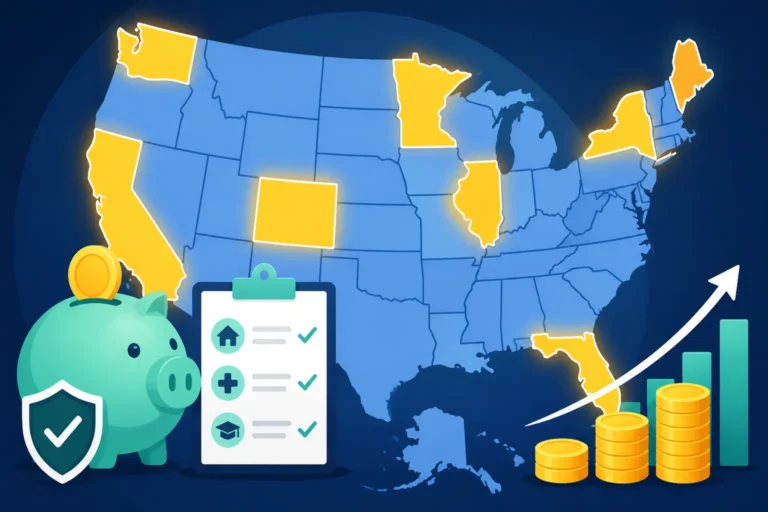
| Income Tax Deduction | Contributions to the state's 529 plan (or sometimes any 529 plan) are deductible from state taxable income, up to a limit. | New York, Illinois, Virginia, Indiana, Georgia (among many others) |
| Income Tax Credit | A percentage of contributions to the state's 529 plan is directly subtracted from the state tax owed, up to a limit. | Arizona, Maine, Minnesota, Oregon, Utah (though specifics vary by year and plan) |
| No State Tax Benefit | Contributions do not offer a state income tax deduction or credit. | States with no income tax (like Florida, Texas), or states that tax income but offer no 529 benefit. |
It's crucial to note that many states offer a deduction only for contributions made to their own state-sponsored 529 plan. This is often referred to as "tax parity." However, some states, like Arizona, Indiana, Kansas, Minnesota, Missouri, Montana, and Pennsylvania, offer tax benefits for contributions to any state's 529 plan, giving you more flexibility. For instance, if you live in New York, you might be particularly interested in the New York 529 Plan Tax Deduction, which can significantly reduce your taxable income. Similarly, residents of Indiana should look into the Indiana 529 Tax Credit (CollegeChoice), which offers a credit for contributions to its CollegeChoice 529 plan.
You might be asking, "Can You Deduct 529 Contributions on State Taxes?" The answer, as you can see, is a resounding "yes" in many places, but the specifics really matter. These benefits are a powerful tool for college savings, making it easier for families to put money aside without it feeling like such a hit to their current finances. You can explore a broader list of these benefits by checking out the 529 Plan Tax Deductions by State for more comprehensive information.
Other Education-Related State Tax Benefits
Beyond direct tuition credits and 529 plan incentives, some states offer a patchwork of other, more specialized education-related tax benefits. These can be a bit harder to find but are worth exploring if they apply to your unique situation.
- Student Loan Interest Deductions: While federal tax law allows a deduction for student loan interest paid, some states offer their own separate deduction, sometimes with different limits or eligibility criteria. This can provide relief long after graduation for those still paying down their loans.
- K-12 Education Credits/Deductions: Although primarily focused on elementary and secondary education, some of these credits (like those for private school tuition, homeschooling expenses, or educational materials) might indirectly support future college readiness by easing financial strain on families with younger children.
- Credits for Specific Programs or Professions: Occasionally, a state might offer a tax credit for individuals pursuing degrees in high-demand fields (like teaching, nursing, or STEM) within the state, as a way to bolster its workforce. These are usually very targeted.
- Teacher/Educator Expense Deductions: Some states provide deductions for teachers who pay for classroom supplies or professional development out of pocket, a recognition of their dedication that can free up personal funds for other educational pursuits, including their own higher education or that of their children.
These varied benefits underscore the importance of truly understanding your state's tax code. Don't assume that if it's not a federal deduction, it doesn't exist at the state level. Always check with your state's Department of Revenue or a reputable tax resource.
Navigating Eligibility and Claiming Your State College Tax Credit
Finding out that your state might offer a tax credit for college is exciting, but the next step is crucial: figuring out if you actually qualify and how to properly claim it. This is where the details really matter, and a little homework can save you a lot of money (and headaches) come tax season.
Key Eligibility Requirements Across States
While the specific rules vary from state to state, there are common threads that typically determine eligibility for state college tax credits:
- Residency: This is almost always the big one. To claim a state tax credit, you (the taxpayer) or the student (if they are your dependent) generally must be a resident of that state for the tax year in question. If you’ve recently moved, understanding State Tax Residency Rules Explained becomes paramount, as your status could impact which state's benefits you're eligible for.
- Qualified Expenses: Just like federal credits, states define what constitutes a "qualified education expense." This usually includes tuition and mandatory enrollment fees, but it might or might not extend to books, supplies, equipment, or room and board. Always check the specific definitions for your state.
- Accredited Institutions: The college or university typically needs to be an eligible educational institution, usually meaning it's accredited and participates in federal student aid programs.
- Income Limitations: Many state tax credits, especially those that directly reduce tax liability, are subject to income phase-outs. This means that if your adjusted gross income (AGI) exceeds a certain threshold, the amount of the credit you can claim might be reduced or eliminated entirely.
- Relationship to Student: The credit might be available to the student themselves, or to a parent/guardian who claims the student as a dependent. Some credits have age limits for the student.
- Coordination with Federal Benefits: Be mindful of how state credits interact with federal ones. Some states might require you to reduce your eligible expenses by any federal tax-free educational assistance received. You generally can't double-dip on the same expense for both federal and state credits if the rules don't allow it.
The best way to get accurate, up-to-date information is to visit your state's Department of Revenue website or consult with a tax professional. Websites like SmartAsset also offer state-specific tax guides that can be incredibly helpful in understanding these nuanced rules.
How to Claim These Credits on Your State Return
Once you've confirmed your eligibility, claiming the credit involves a few straightforward steps, though the specific forms will differ by state:
- Gather Your Documents: You'll need documentation of your educational expenses. This most commonly includes Form 1098-T, which educational institutions send out to report tuition payments. If you're claiming a 529 plan contribution deduction or credit, you'll need statements from your 529 plan provider detailing your contributions. Keep meticulous records of all eligible expenses, including receipts for books or supplies if they qualify in your state.
- Identify the Correct State Tax Form: Each state has its own income tax forms. You’ll need to locate the specific form or schedule related to education credits or deductions. For example, if you're filing in California, you'd be looking at different forms than someone in New York.
- Calculate Your Credit/Deduction: Follow the instructions on the state form to calculate the amount of your eligible credit or deduction. This will involve entering your qualified expenses, potentially factoring in income limits, and any other specific state rules.
- Enter on Your State Tax Return: The calculated credit or deduction will then be entered on your main state income tax return, directly reducing your tax liability (for credits) or your taxable income (for deductions).
- Use Tax Software: Most tax preparation software, like TurboTax, is designed to guide you through this process. After you've entered your federal tax information, the software will prompt you for state-specific details and help you identify and claim any available state credits or deductions. This can simplify what might otherwise be a daunting task, especially if you're exploring Free State Tax Filing Options 2027 which often include state tax forms as well. These platforms keep up with current tax laws, so they can be a lifesaver.
It's always a good idea to review your entries carefully before submitting your return. Making a mistake could lead to delays in processing your refund or, worse, an audit. If you're unsure, consider consulting with a tax professional who specializes in state tax laws.
Common Pitfalls and How to Avoid Them
Even with the best intentions, it's easy to make mistakes when dealing with tax credits. Here are some common pitfalls and how to steer clear of them:
- Missing Deadlines: State tax deadlines often align with the federal April 15th deadline, but not always. Some states, like Massachusetts or Delaware, might have slightly different schedules, or extend their deadlines due to holidays or disasters. Always confirm the State Tax Deadlines 2026 (All States) for your specific state. Missing a deadline can result in penalties and interest.
- Not Meeting Residency Requirements: As mentioned, residency is key. Trying to claim a credit in a state where you're not a legal resident, or where the student isn't, is a common error that can trigger an audit. Make sure you understand what constitutes residency for tax purposes in your state.
- Incorrectly Calculating Qualified Expenses: Not all college-related expenses are qualified. Forgetting to exclude non-qualifying expenses (like transportation, insurance, or general living expenses) or including expenses already covered by scholarships can lead to an incorrect credit amount.
- Double-Dipping on Benefits: Claiming the same expense for both a federal credit and a state credit (if the state doesn't allow it) is a no-no. Be sure to understand any coordination rules between federal and state benefits.
- Failing to Keep Records: The tax authorities can always ask for proof. If you're audited and can't provide receipts, 1098-T forms, or 529 statements, your claimed credit could be disallowed. Keep all relevant documents organized for at least three years, as that's the typical audit period.
- Overlooking Smaller Credits: Sometimes, smaller, more obscure credits exist that can still add up. Don't just focus on the big ones; a thorough review of your state's tax department website or using comprehensive tax software can help uncover these.
By being diligent and informed, you can maximize your chances of successfully claiming any state college tax credits you're eligible for, providing much-needed relief from the financial pressure of higher education.
Important Considerations and Future Outlook
State tax laws are not static. They are constantly evolving, influenced by state budgets, economic conditions, and shifting political priorities. What's true for college tax credits this year might look different next year, which is why staying informed is an ongoing process.
The Dynamic Nature of State Tax Laws
Legislatures regularly review and revise their tax codes. A generous college tax credit could be expanded one year and then scaled back or eliminated the next, all depending on the state's financial health and policy goals. For instance, some states might be actively engaged in State Income Tax Cuts & Changes for 2026, which could lead to a broader restructuring of their tax code, potentially impacting education-related deductions and credits.
This dynamic environment means that relying on outdated information is a risky game. It's not enough to know what the rules were five years ago; you need to be aware of the most current regulations for the tax year you're filing. Always check official state government sources or consult with a qualified tax professional for the latest updates. This is particularly relevant when you're looking at State Tax Credits: Solar, College & Dependent Care, as the specifics for each of these categories can change independently.
Beyond Credits: Other Ways States Support Education
While tax credits are a fantastic way to ease the financial burden of college, it's important to remember that they are just one piece of a larger puzzle. States also support education through various other avenues that might not directly show up on your tax return but can still significantly reduce your out-of-pocket costs:
- State-Funded Grants and Scholarships: Many states offer their own grant programs based on need or merit, independent of federal Pell Grants. These are essentially free money that doesn't need to be repaid.
- Tuition Waivers and Reciprocity Agreements: Some states offer tuition waivers for specific populations (e.g., veterans, foster youth) or have reciprocity agreements with neighboring states, allowing students to attend out-of-state public universities at in-state tuition rates.
- Community College Funding: States often heavily subsidize community colleges, making them a much more affordable option for the first two years of a degree, or for vocational training.
- Loan Forgiveness Programs: For graduates entering specific public service fields (like teaching or healthcare) within the state, some states offer loan forgiveness programs that can drastically reduce student debt.
Understanding these broader support systems is key to a holistic approach to financing higher education. A tax credit might save you a few hundred dollars on your state tax bill, but a generous state scholarship could save you thousands.
Strategic Planning for College Savings
Ultimately, navigating college costs is a long-term strategic game. Thinking about state tax credits and deductions early on can significantly impact your financial planning. When considering Is It Cheaper to Live in a State With No Income Tax?, for example, don't just think about income tax rates, but also how that state treats educational savings and expenses. A state with no income tax won't offer a 529 plan deduction because there's no state income tax to deduct from, but it also won't tax any 529 withdrawals for qualified expenses.
Families should proactively research and compare college savings strategies based on their state's tax benefits. This might involve choosing a specific 529 plan, timing contributions to maximize deductions, or even considering where to establish residency if college savings and costs are a major factor in a planned move. Services like SmartAsset offer tools and resources to help analyze these financial decisions.
By being informed and strategic, you can turn the complex world of state tax credits and deductions into a powerful tool for achieving your educational goals without breaking the bank. Don't be afraid to ask questions, do your research, and take advantage of every opportunity to save!
Disclaimer
The information provided in this article is for general informational purposes only and does not constitute financial, tax, or legal advice. Tax laws are complex and subject to change. Always consult with a qualified tax professional or financial advisor for advice tailored to your specific situation.