What Is the Average State Income Tax Rate?
State income tax rates across the fifty states feature progressive brackets, flat rates, and zero tax options like Washington.
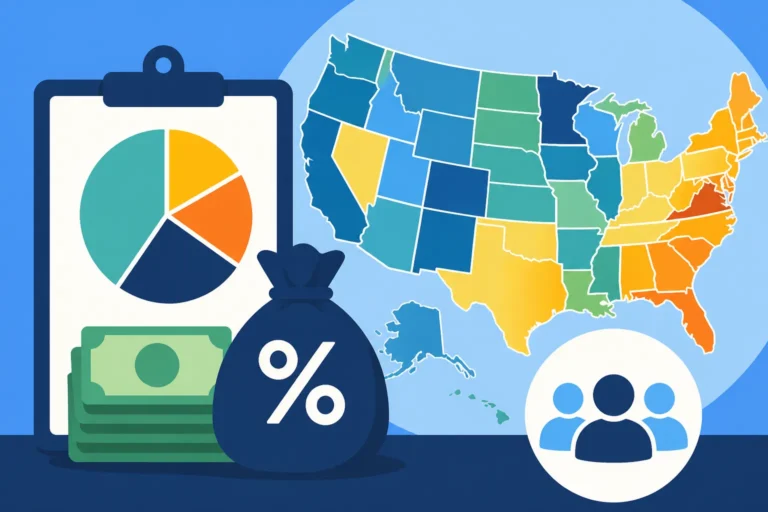
State income tax rates across the fifty states feature progressive brackets, flat rates, and zero tax options like Washington.

States with no income tax often use higher property and sales taxes, eroding perceived savings and increasing overall living expenses.

The flat tax movement in states explains which governments use single rate income taxes for 2026 and why legislatures shift policies.
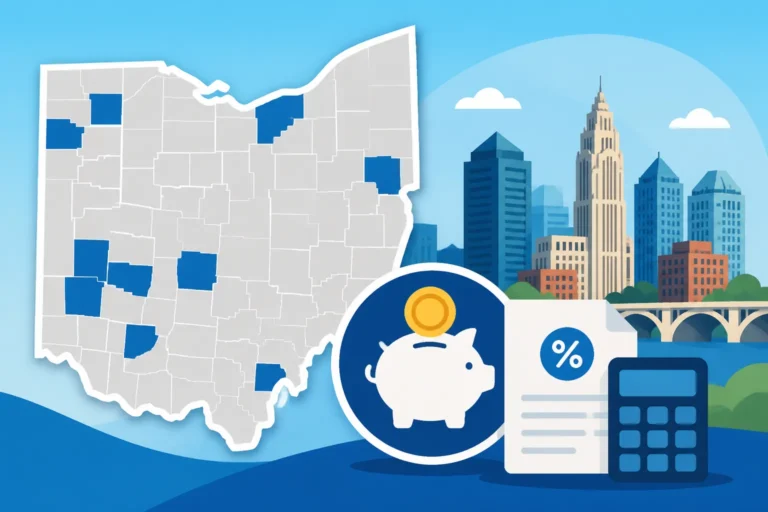
Ohio municipal income taxes and collection agencies like RITA and CCA affect workers based on specific local ordinances.

Philadelphia city taxes include the wage tax for residents and non-residents, alongside the net profits tax for businesses.

New York City resident income tax rates range from 3.078 percent to 3.876 percent, adding local taxes for residents in 2026.

New York City residents face progressive income tax rates ranging from over three to nearly four percent for local services.

State income tax on a $100,000 salary varies across progressive brackets, flat rates, and nine states with no income tax.

State income tax structures with flat rates determine how different states tax personal earnings and impact personal finances.
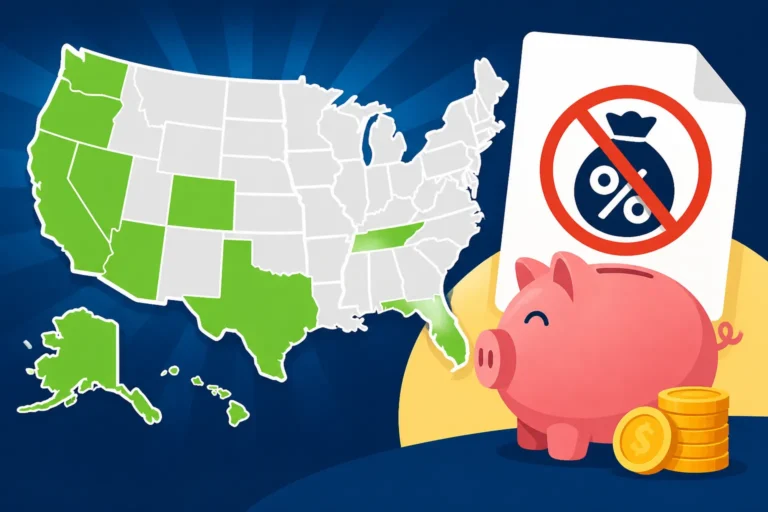
The nine states without a state income tax in 2026, including Alaska and Florida, and how they fund government services.