Can You E-File State Taxes Separately?
Electronic state tax filing separately from federal returns and requirements using federal adjusted gross income figures.
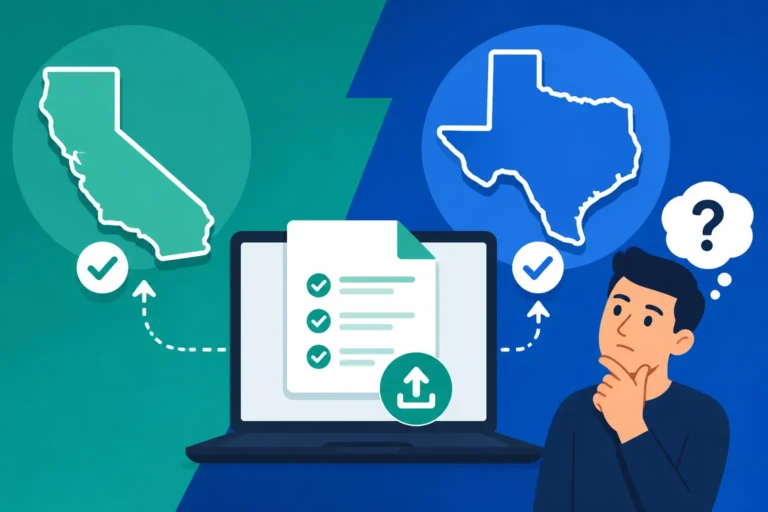
Electronic state tax filing separately from federal returns and requirements using federal adjusted gross income figures.
Filing back state taxes helps taxpayers resolve missed filings, understand income thresholds, and avoid severe late penalties.
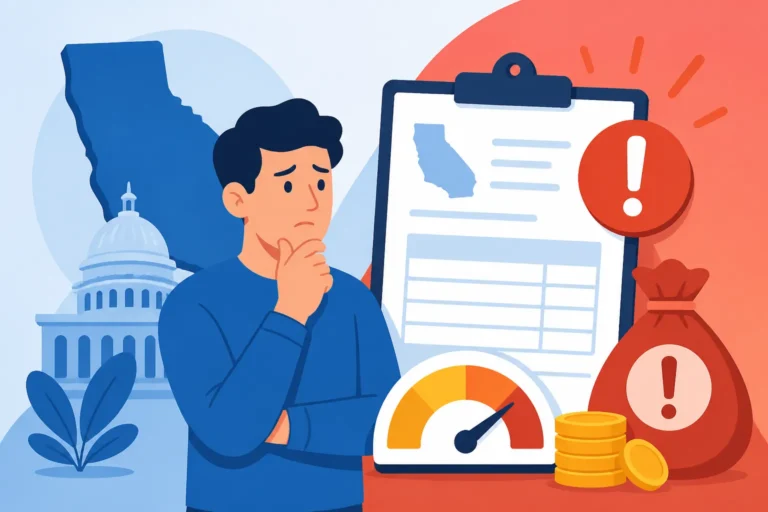
State tax penalties, filing deadlines, and automatic extensions determine what happens when you miss the April 15th due date.
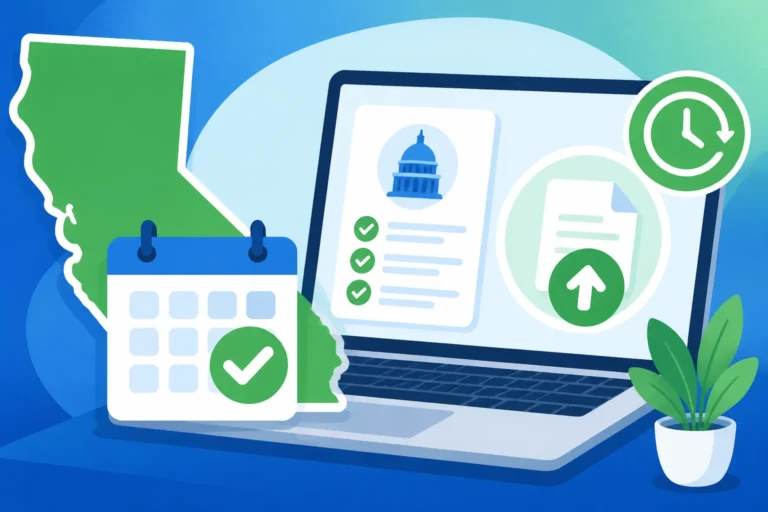
Filing Form 4868 grants an automatic federal tax extension, but state rules vary and require checking specific requirements.
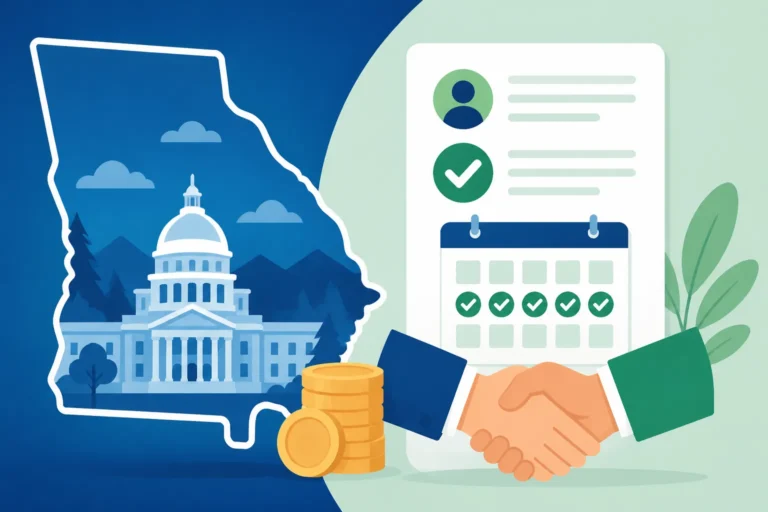
State tax installment agreements let taxpayers settle state debt through monthly payments while avoiding wage garnishments.

State tax underpayment reasons, paycheck withholding errors, and flat versus progressive tax systems are explained clearly.
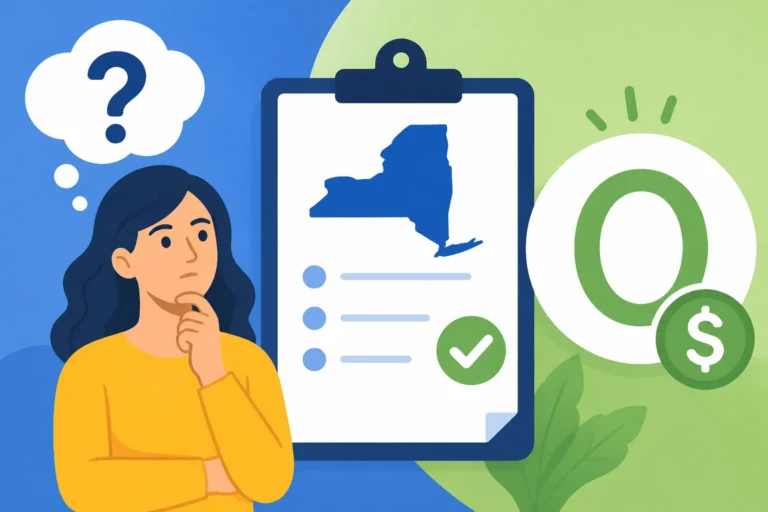
State income tax filing requirements depend on gross income thresholds, which can trigger a return even when no tax is owed.
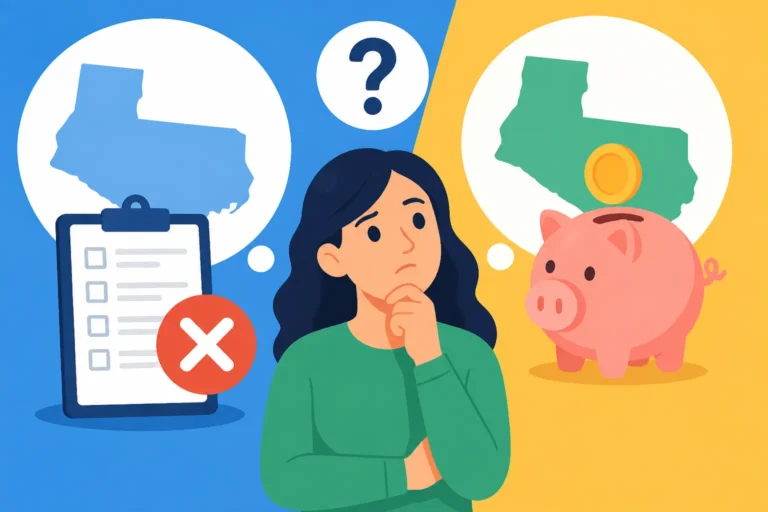
State income tax requirements for residents with zero earnings or low income vary significantly across different states.
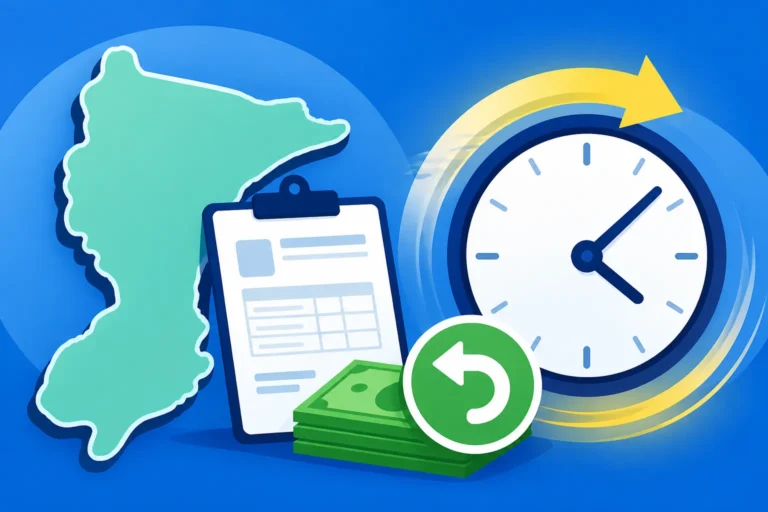
State tax refund processing times typically range from two to four weeks for electronic returns with direct deposit.
State income tax deadlines usually align with the federal April 15th date, but individual states set different filing schedules.