Does Illinois Have a State EITC?
The weight of tax season can feel incredibly heavy, especially when you’re a working individual or family trying to make ends meet in Illinois. You might be wondering if there's any glimmer of hope, any break that can ease the financial strain. For many, the good news is that Illinois does offer a significant relief in the form of its own state-level Earned Income Credit, often referred to as the Illinois EITC, which can put real money back into your pocket. This comprehensive guide will walk you through exactly what the Illinois EITC is, who qualifies, and how it can make a tangible difference for your household.
Understanding the Earned Income Tax Credit (EITC) at a Glance
Before we dive into the specifics of Illinois's program, it’s helpful to understand the concept of the Earned Income Tax Credit (EITC) on a broader scale. It's one of the most powerful anti-poverty tools we have, designed to support working individuals and families who earn low to moderate incomes. The idea is simple: if you're working hard but still struggling, the government wants to help you keep more of what you earn.
What is the Federal EITC?
The federal Earned Income Tax Credit has been around for decades, and it’s a massive program. It’s a refundable tax credit, which is a key distinction. What does "refundable" mean? It means that if the credit amount is more than the tax you owe, you actually get the difference back as a refund. This isn't just about reducing your tax bill to zero; it can genuinely boost your income. The amount of the federal EITC depends on several factors: your income, your filing status, and how many qualifying children you have. The IRS sets specific income thresholds and credit amounts each year, which can be quite substantial, especially for families with multiple children. It’s truly a lifeline for many, providing crucial funds for everything from groceries to rent.
Why States Adopt Their Own EITCs
Seeing the profound impact of the federal EITC, many states have chosen to implement their own versions. Why would they do this? The reasons are multifaceted. For one, it’s a direct way to stimulate local economies by increasing the disposable income of working families who are likely to spend that money within their communities. For another, it's a targeted approach to reduce poverty and income inequality, ensuring that those who are working hard aren't left behind. States want to support their residents, recognizing that a stronger workforce and healthier families benefit everyone. These state credits often "piggyback" on the federal EITC, meaning that if you qualify for the federal credit, you're usually on track to qualify for the state version, too. To learn more about how different states approach this, check out our in-depth guide on State Earned Income Tax Credits EITC Guide.
Illinois's Commitment to Working Families: The Illinois Earned Income Credit
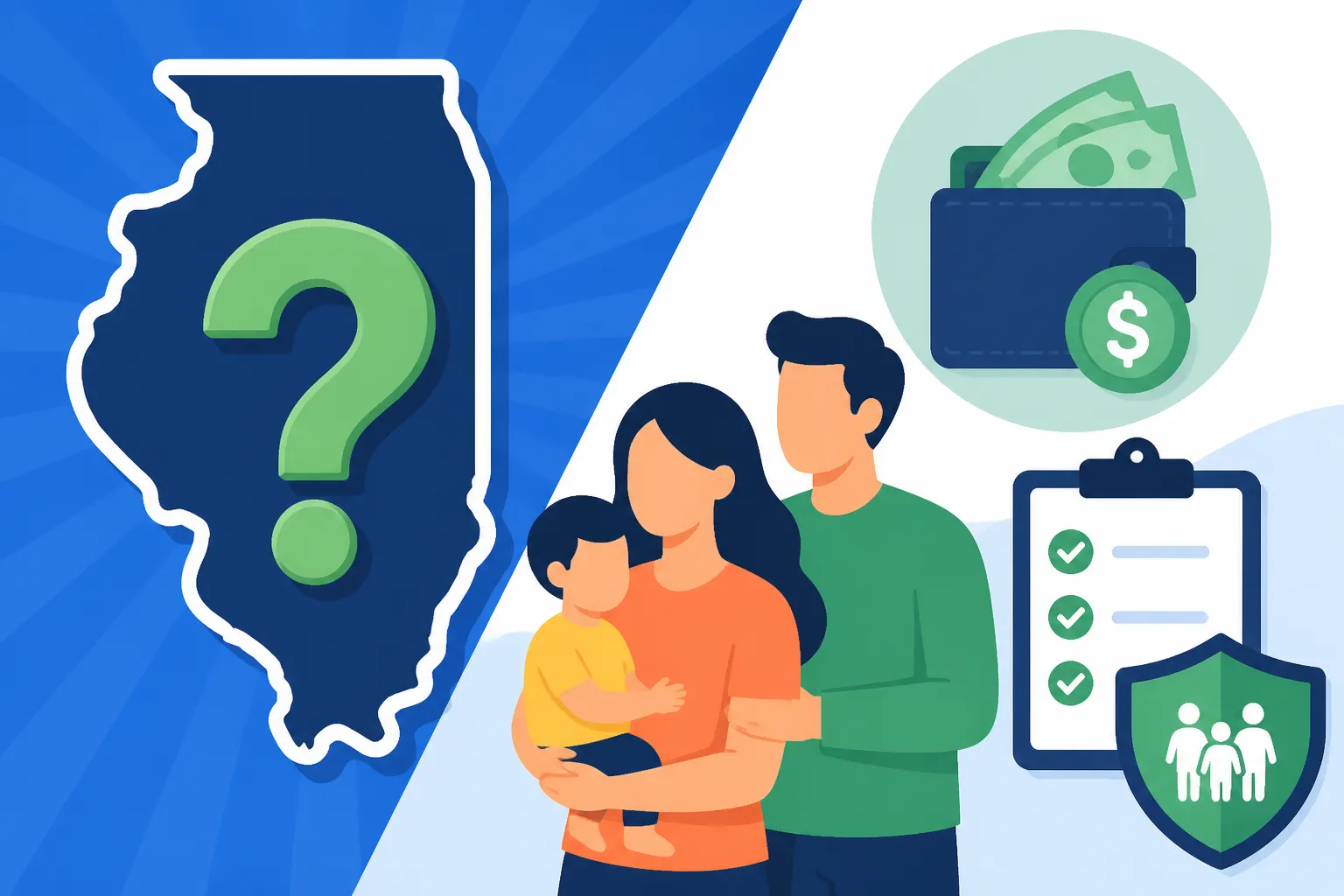
Yes, Illinois absolutely has its own state-level Earned Income Credit, and it's a fantastic benefit for eligible residents! If you're an Illinoisan working hard to support yourself or your family, this credit is definitely something you should be aware of and actively claim. It's part of the state's broader effort to support its tax-paying residents.
The Illinois EITC: A Refundable Credit
The Illinois Earned Income Credit is calculated as a percentage of your federal EITC. For the 2023 tax year, and expected to remain the same for 2026, the Illinois EITC is 20% of your approved federal EITC amount. Just like its federal counterpart, the Illinois EITC is also a refundable credit. This is crucial because it means that even if your Illinois state income tax liability is zero, you could still receive a refund for the full amount of the state EITC you qualify for. Think about that for a second: it’s not just a discount; it's money directly returned to you. This can be a huge boost, especially for families during tight financial times. Many people don't realize the power of a refundable credit, which we explain further in our article, What Is a Refundable Tax Credit?.
Let's say you're a single parent in Peoria with two qualifying children, and you're eligible for a $3,000 federal EITC. With Illinois's 20% match, you'd be looking at an additional $600 back from the state ($3,000 * 0.20 = $600). That's not insignificant! This extra money can go towards childcare, car repairs, school supplies, or simply covering daily expenses.
Who Qualifies for the Illinois EITC?
Qualifying for the Illinois Earned Income Credit generally mirrors the qualifications for the federal EITC, with the added requirement of being an Illinois resident. Here’s a breakdown of the typical requirements:
- You must qualify for the federal EITC: This is the foundational requirement. If the IRS determines you're eligible for the federal credit, you're likely on your way to getting the state one too. This means meeting certain income thresholds (which vary based on your filing status and number of children), having earned income, and meeting other specific IRS criteria.
- You must be an Illinois resident: You need to have lived in Illinois for the tax year and be filing an Illinois income tax return. This seems straightforward, but sometimes residency rules can get a bit tricky, especially if you've moved mid-year or work across state lines. We delve into these complexities in our guide on State Tax Residency Rules Explained.
- You must file an Illinois income tax return: Even if you don't owe any state tax or are not typically required to file, if you qualify for the EITC, you must file an Illinois Form IL-1040 to claim it. This is a common oversight that causes many eligible residents to miss out on their rightful refunds.
It's important to keep an eye on the specific income limits and rules each year, as they are adjusted for inflation and can sometimes be updated through legislation. You can usually find the most current information directly on the Illinois Department of Revenue website or through trusted tax resources like SmartAsset. They often provide calculators and summaries that can give you a good estimate of your eligibility.
How the Illinois EITC Makes a Difference in Your Wallet
The practical impact of the Illinois Earned Income Credit cannot be overstated for many working individuals and families. It's designed to provide a real boost, helping to alleviate financial stress and improve overall well-being. This credit isn't just a number on a form; it translates into tangible financial relief.
Calculating Your Illinois EITC
As we touched on, calculating your Illinois EITC is quite straightforward once you know your federal EITC amount. It's simply 20% of that federal figure. So, the first step is always to determine your federal EITC eligibility and amount. This is where tax software, like TurboTax, or a tax professional can be incredibly helpful, as they'll crunch all the numbers for you based on your income, filing status, and qualifying children.
Let's consider a practical example. Imagine Sarah, a single mom living in Springfield, Illinois, who works full-time and earns $35,000 a year. She has one qualifying child. Based on current federal EITC rules, she might qualify for a federal EITC of around $1,500. Since Illinois's EITC is 20% of the federal amount, her state EITC would be $300 ($1,500 * 0.20). This $300, combined with her federal EITC, could be a significant chunk of change that helps her pay for an unexpected car repair or buy new school clothes for her child. Understanding how to calculate your credit accurately is key, and tools often make this process much smoother. For those wondering about their potential federal EITC, a quick search for "federal EITC calculator" can provide estimates.
Real-World Impact for Illinoisans
The Illinois EITC provides crucial support to thousands of families across the state, from bustling Chicago neighborhoods to smaller communities in southern Illinois. It acts as a safety net and a springboard, helping working families meet basic needs, save for the future, or invest in their education and careers.
Think of it this way: for a family struggling with rising food costs in Rockford, an extra few hundred dollars from the EITC can mean the difference between fresh produce and cheaper, less healthy options. For someone trying to get back on their feet in Decatur, that refund might cover the cost of a certification course that leads to a better job. It helps mitigate the burden of a flat state income tax by providing targeted relief to those who need it most. Our article on Illinois Tax Deductions and Credits 2026 further elaborates on other ways Illinois helps its residents save. The financial boost from the Illinois EITC can lead to improved health outcomes, better educational opportunities for children, and greater economic stability for households that often live paycheck to paycheck. This credit truly underscores how a well-designed tax policy can support the core well-being of a state's population.
Navigating the Filing Process and Getting Your Credit
Claiming your Illinois Earned Income Credit doesn't have to be a headache, but it does require you to be proactive. The most important thing to remember is that you must file your state tax return to receive it. Don't let potential confusion deter you from claiming what's rightfully yours!
Filing Your Illinois State Tax Return
If you qualify for the federal EITC, then you're already halfway there. The next step is to prepare and file your Illinois Form IL-1040, the state income tax return. Many people will file their federal and state returns at the same time using tax software. Programs like TurboTax or H&R Block often integrate both federal and state filing seamlessly, guiding you through the process and automatically calculating your Illinois EITC based on your federal information. This makes the process much less daunting.
It's vital to ensure all your information is accurate, especially your earned income and the details of your qualifying children. Mistakes can lead to delays in your refund or even an audit. Even if you've determined you owe no state tax, filing is still essential to claim this refundable credit. If you're new to state tax filing, our How to File Illinois State Taxes guide can offer more specific, step-by-step instructions. Remember to meet the State Tax Deadlines 2026 (All States) to avoid any penalties, even if you’re due a refund!
Resources and Assistance for Claiming Your EITC
You don't have to navigate the tax landscape alone. There are numerous resources available to help you understand and claim your Illinois EITC:
- Illinois Department of Revenue (IDOR): The official source for all Illinois tax information. Their website has forms, instructions, and FAQs about the Illinois Earned Income Credit.
- Volunteer Income Tax Assistance (VITA) and Tax Counseling for the Elderly (TCE) Programs: These free services, offered by IRS-certified volunteers, provide tax help to people who generally make $64,000 or less, persons with disabilities, and limited English-speaking taxpayers. Many VITA/TCE sites in Illinois, often located in community centers, libraries, and schools, can assist with both federal and state EITC claims. You can find local sites through the IRS website.
- Tax Software: As mentioned, commercial tax software like TurboTax and TaxAct are designed to make filing easier. They ask a series of questions and automatically determine your eligibility for various credits, including the EITC. Many even offer free filing options for those with lower incomes. For more on this, check out our piece on Free State Tax Filing Options 2026.
- Professional Tax Preparers: If your situation is complex or you simply prefer professional help, a certified public accountant (CPA) or enrolled agent can ensure you claim all the credits you deserve. Websites like SmartAsset also offer valuable information and resources on tax planning and financial advice, which can be useful when considering your overall financial picture.
By leveraging these resources, you can ensure you’re taking full advantage of the Illinois EITC and other potential Illinois Tax Deductions and Credits 2026.
Federal EITC vs. Illinois EITC: A Quick Comparison
To help clarify the relationship between the federal and state EITCs, here's a quick comparison of their key aspects. Understanding these differences can help you better grasp how both credits work together to provide financial relief.
| Feature | Federal Earned Income Tax Credit (EITC) | Illinois Earned Income Credit (EITC) |
|---|---|---|
| Administering Body | Internal Revenue Service (IRS) | Illinois Department of Revenue (IDOR) |
| Basis of Eligibility | Based on income, filing status, and number of qualifying children. | Based on eligibility for the federal EITC. |
| Credit Amount | Varies significantly based on income, filing status, and children; often the larger credit. | 20% of the approved federal EITC amount. |
| Refundability | Fully Refundable (can receive a refund even if no tax is owed). | Fully Refundable (can receive a refund even if no state tax is owed). |
| Purpose | National program to aid low-to-moderate income working individuals and families. | State program to supplement federal EITC and support Illinois residents. |
| Filing Requirement | File Federal Form 1040 or 1040-SR. | File Illinois Form IL-1040 (after federal qualification). |
This table highlights that while the federal EITC sets the groundwork, the Illinois EITC significantly enhances the benefit for eligible residents, truly making a difference in their household budgets. For a broader view on federal vs. state taxes, you might find our article State Income Tax vs Federal Income Tax insightful.
Expanding the Impact: EITC and Financial Stability
The Illinois EITC, like its federal counterpart, isn't just a simple tax credit; it's a vital tool for fostering financial stability and empowering working families. The economic effects ripple beyond individual households, benefiting entire communities across Illinois.
Boosting Local Economies and Reducing Poverty
When Illinois residents receive their EITC refunds, they typically use that money for immediate needs: paying bills, buying groceries, fixing a car, or investing in their children's education. This immediate spending flows directly back into local businesses, creating a positive economic cycle within cities like Aurora, Naperville, and Joliet. It's not just a handout; it's an investment in the state's economic health. Studies consistently show that EITC funds are quickly spent, injecting capital where it's most needed and driving local demand. This direct infusion of cash is far more impactful than many other forms of economic stimulus because it targets those most likely to spend it right away. This can also indirectly reduce the need for other public assistance programs, as families gain more financial independence.
Furthermore, the EITC has a proven track record of lifting families out of poverty. By supplementing wages, it ensures that full-time work translates into a more livable income. For many, it's the difference between barely scraping by and having a bit of breathing room, allowing them to avoid predatory loans or make difficult choices between essential expenses. This focus on improving the lives of working individuals aligns with broader state goals for social welfare and economic equity. For a deeper understanding of tax burdens across different states, you could explore resources like State Tax Burden by State 2026.
Common Misconceptions About the EITC
Despite its benefits, there are several common misconceptions about the EITC that can prevent eligible individuals from claiming it:
- "I don't make enough money to file taxes, so I can't get the EITC." This is perhaps the most significant misconception. As a refundable credit, you can receive the EITC even if you have no tax liability or your income is below the filing threshold. You just have to file a tax return to claim it. Our guide on Do I Need to File State Taxes? (Thresholds) clarifies these requirements.
- "The EITC is only for people with kids." While the largest EITC amounts are for families with children, there is also a credit available for childless workers. The amount is smaller, but it can still provide valuable financial support.
- "It's too complicated to claim." While taxes can feel overwhelming, especially if you're filing for the first time or dealing with multiple credits, the EITC is designed to be accessible. As discussed, tax software and free assistance programs are widely available to simplify the process. Many tax professionals, including those certified by the IRS, are well-versed in EITC eligibility and can help ensure you claim it correctly.
- "I’ll get audited if I claim it." While the EITC is a frequently audited credit due to common errors, claiming it accurately and honestly does not increase your risk of an audit any more than any other credit. The key is careful record-keeping and ensuring you meet all eligibility criteria. Organizations like SmartAsset regularly publish content that can help dispel these kinds of tax myths and provide clearer guidance.
Understanding these points can encourage more eligible Illinoisans to claim the credit they're due, maximizing the impact of this important program.
Disclaimer
Please remember that tax laws can be complex and are subject to change. The information provided in this article is for general informational purposes only and does not constitute tax advice. We highly recommend consulting with a qualified tax professional or the Illinois Department of Revenue for personalized advice regarding your specific tax situation.