Does California Give an Automatic Extension?
Oh, the sheer panic of seeing that April 15th deadline loom large, especially when you know you're just not ready to hit "submit" on your tax return. It’s a common scenario, and many folks wonder if California offers any breathing room. Good news! When it comes to state income taxes, California does extend an automatic hand, but it’s crucial to understand exactly what that "automatic" means so you don't accidentally fall into a penalty trap. This guide will walk you through the ins and outs of California's automatic tax extension, helping you navigate those deadlines with confidence and clarity.
Navigating California's Automatic Tax Extension
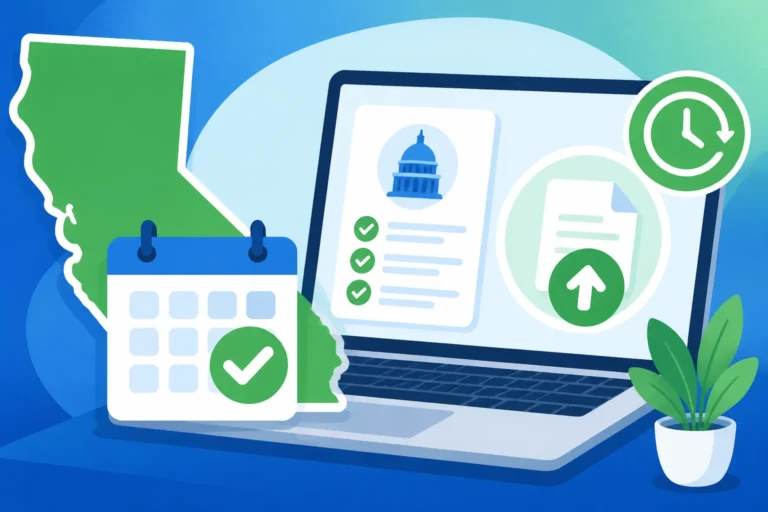
Let's cut right to the chase: California is pretty generous with its tax filing extensions for individual taxpayers. Unlike the federal system, which usually requires you to file a specific form to get an extension, California's Franchise Tax Board (FTB) generally grants individuals an automatic six-month extension to file their state income tax return without you having to do anything at all. It sounds almost too good to be true, right? Well, there's a catch, and it's a big one that often trips people up.
The Core Concept: Automatic Filing, Not Payment
When California says "automatic extension," they mean an extension of time to file your tax return, not an extension of time to pay any taxes you owe. This is a crucial distinction that can save you a lot of headaches and money in penalties. Think of it like this: the state understands that sometimes life gets in the way, and compiling all your documents and figuring out your deductions can take longer than anticipated. So, they give you extra time to get your paperwork together and submit your official return.
However, the money you owe is still due by the original April 15th (or the next business day if it falls on a weekend or holiday) deadline. If you don't pay enough by that date, even if you have an automatic extension to file, you could still face penalties and interest on the unpaid amount. This is where many taxpayers get confused. They assume "automatic extension" means everything is on hold, only to find themselves with a surprise bill months later. It’s a common frustration, but with a little planning, it’s completely avoidable. Understanding how these rules interact is key to a smooth tax season, especially if you're exploring How to File State Taxes Complete Guide.
Who This Applies To and the Standard Extension Period
For most individual California taxpayers, the automatic extension is a standard benefit. If you’re an individual filing Form 540 or 540 2EZ, you typically don't need to file a separate form with the FTB to receive this extension. The state simply grants it to you. This means that if your original filing deadline is April 15, 2026, your automatic extension generally pushes your filing deadline to October 15, 2026. That's a significant chunk of extra time to meticulously review your finances, gather all your W-2s, 1099s, and deduction receipts, and ensure everything is accurate.
This blanket extension covers a vast majority of personal income tax situations. However, there are always unique circumstances. For example, if you're out of the country, different rules or additional extensions might apply, but for the average Californian, this six-month grace period for filing is standard. It's a thoughtful feature that acknowledges the complexities of modern life, giving individuals peace of mind that they won't be penalized just for needing more time to organize their documents. Just remember, this doesn’t mean you get to forget about your tax obligations until October; it just means you have more time to formalize your return after ensuring your payments are in order.
The Critical Distinction: Payment Deadlines and Potential Penalties
This is the part that keeps many a tax blogger up at night, because it's where most people get tripped up. While California is generous with an automatic extension to file your return, it is absolutely unyielding when it comes to the deadline for paying any taxes you owe. Missing this payment deadline can lead to accumulating penalties and interest, effectively turning that helpful extension into a costly mistake. It's a bit like getting a pass to turn in your homework late, but still having to hand in the required project fee by the original due date.
Understanding the "Pay What You Owe" Rule
Here’s the golden rule for California tax extensions: you must pay at least 90% of your current year's tax liability by the original due date (typically April 15th) to avoid underpayment penalties. If you don't, even with an automatic extension to file, you'll start accruing penalties and interest on the unpaid amount from April 15th until the date you pay it. This isn't just a suggestion; it's a hard-and-fast rule designed to ensure the state receives its revenue in a timely manner.
How do you figure out this 90%? Well, that's the tricky part, especially if you haven't completed your full return. You'll need to make a good faith estimate of your income, deductions, and credits for the year. This might involve looking at your previous year's tax return, anticipating any significant changes in income or expenses, and using an estimated tax calculator. Many tax software programs, including popular ones like TurboTax, offer tools to help you calculate your estimated tax liability and even generate payment vouchers (Form 3519, Payment for Automatic Extension for Individuals) to submit with your payment. It's an essential step, particularly for freelancers, self-employed individuals, or those with significant investment income, who don't have taxes automatically withheld from a paycheck. The goal is to get as close to your actual tax bill as possible.
Unpacking Late Payment and Underpayment Penalties
If you fail to pay at least 90% of your tax by the original deadline, California's FTB can hit you with a few different penalties. First, there's the late payment penalty, which is typically 5% of the unpaid tax, plus 0.5% for each month (or part of a month) the tax remains unpaid, up to a maximum of 25%. On top of that, you'll also owe interest on any underpayment, which is calculated based on a fluctuating rate set by the state. This interest compounds daily, so the longer you wait, the more it adds up.
Let's imagine a scenario: John owes California $2,000 in taxes. He's busy and decides to rely on the automatic extension to file, planning to do his return in September. However, he doesn't make any payment by April 15th. By the time he files and pays in September, he's looking at significant penalties. That 5% initial penalty is $100 right off the bat, plus roughly 0.5% per month for five months ($50), plus interest. Suddenly, his $2,000 bill is notably higher. This is precisely why that "automatic" part of the extension can be so misleading if not fully understood. It's a stark reminder that while the state offers flexibility in filing, it expects promptness in payment. For a broader perspective on how these charges can accrue, you might want to look into State Tax Payment Plans & Penalties. This really highlights why it's so important to at least estimate and pay what you think you owe, even if you're not ready to file your full return.
Practical Steps for Managing Your California Extension
Okay, so we know that California gives you an automatic extension to file, but not to pay. Now, let’s talk about the practical steps you can take to make sure you’re using this extension wisely and avoiding any nasty surprises. For most people, it's quite simple, but knowing the nuances can make all the difference, especially if you're juggling income from various sources or even dealing with Filing Taxes in Multiple States.
The No-Form Simplicity for Most Individual Filers
One of the best things about California's system for individual taxpayers (filing Form 540 or 540 2EZ) is its sheer simplicity regarding extensions. For the vast majority of people, if you don't owe any additional tax, or if you're expecting a refund, you literally don't have to do anything to get the six-month extension to file. The FTB automatically grants it. You just proceed with preparing your return and file it anytime before the extended deadline, usually October 15th. This is a huge relief for many who find the federal Form 4868 a bit tedious to complete.
So, if you’re staring at your tax documents, feeling overwhelmed, and pretty sure you’re either getting a refund or breaking even, you can breathe easy on the filing extension front. Just concentrate on getting your return accurately prepared and submitted by October 15th. This is where using a reliable tax software like TurboTax comes in handy, as it will guide you through the process, ensure you’re inputting everything correctly, and even electronically file your return for you when you're ready, whether it's by April 15th or much later in the year. The key is knowing that the FTB will expect you to meet that October deadline, even if you never explicitly asked for it.
When You Might Need to Take Action (and Which Forms to Consider)
While the extension for filing is automatic for most, there are specific situations where you do need to take action, primarily if you anticipate owing taxes. If you’ve estimated your tax liability and determined you’ll owe the state money, you absolutely need to make a payment by the original April 15th deadline. In this scenario, while you don't file a separate extension request form, you will typically submit a payment with FTB Form 3519, Payment for Automatic Extension for Individuals. This form isn't asking for an extension; it's simply a voucher to ensure your payment is properly credited to your account while your actual return is still pending.
Businesses, such as partnerships, S corporations, and C corporations, often have different rules and may need to file specific forms like FTB Form 3538, Payment for Automatic Extension for LLCs, Partnerships, and Certain Trusts, or FTB Form 3539, Payment for Automatic Extension for Corporations, if they anticipate owing taxes. It's important to check the specific requirements for your business entity. Even individuals with complex situations, such as those involved in a California Residency Audit & FTB, might find themselves needing extra care in documenting their estimated payments. For most individual taxpayers, however, the main takeaway is simple: if you owe, pay by April 15th, and if you use a payment voucher, ensure it's Form 3519. Software like TurboTax can guide you through these payment steps, helping you fill out the correct voucher and submit your payment electronically or by mail.
Strategic Tips for a Stress-Free Extended Tax Season
Dealing with taxes, even with an extension, can feel like a tightrope walk. You want to be compliant, avoid penalties, and not feel completely overwhelmed. The good news is that with a bit of strategy and proactive planning, you can make the California extended tax season a lot less stressful. It's all about being prepared and understanding the tools at your disposal. This approach can be particularly beneficial if you are trying to understand Why Are California Taxes So High? and want to ensure you're only paying what you absolutely owe.
Proactive Planning and Estimated Payments
The best defense against tax-time anxiety, especially when using an extension, is a strong offense: proactive planning. This means not waiting until the last minute to estimate your tax liability. Throughout the year, if you’re not an employee with regular withholdings, or if you have significant income from investments, self-employment, or other sources, you should be making estimated tax payments. California generally follows the federal schedule for estimated payments (April, June, September, and January of the following year). By consistently estimating and paying your taxes, you ensure you hit that critical 90% threshold by April 15th, thus avoiding underpayment penalties.
Keep detailed records of all your income and expenses. This will make it much easier to accurately estimate your tax liability and, ultimately, to prepare your full return. Setting up reminders in your calendar for estimated payment due dates is also a smart move. Many banks and financial institutions offer automatic payment options, and the FTB itself allows for electronic payments through its website. Services like TurboTax can also assist in calculating these estimated payments and reminding you when they are due. Don't forget to review your withholding if you are an employee, making sure enough is taken out to cover your California tax obligations. Sometimes, a slight adjustment to your W-4 form can prevent a large tax bill at year-end. Comparing this to other states might reveal how California's specific requirements stand out, as highlighted in guides like State Tax Deadlines 2026 All States.
When to Lean on Professional Guidance or Software
While the California automatic extension simplifies the filing aspect for many, complex financial situations can still make tax season daunting. If you've had major life changes—a new job, marriage, buying a home, starting a business, or significant investment gains—your tax situation might be more complicated than a simple estimate can cover. This is when consulting with a qualified tax professional, like a Certified Public Accountant (CPA) or an Enrolled Agent (EA), can be invaluable. They can help you accurately estimate your tax liability, identify all eligible California Tax Credits & Deductions Guide, and ensure you're fully compliant, particularly if you're navigating something as intricate as How to Avoid California Residency for Taxes.
Alternatively, sophisticated tax software like TurboTax offers a fantastic middle ground. It can handle a wide range of complex scenarios, walks you through deductions and credits you might qualify for, and helps you make accurate estimated payments. For example, if you're a part-year resident or are dealing with a California Part-Year Resident Tax Guide, TurboTax can guide you through the specific forms and calculations needed. The software's ability to help you accurately estimate your tax, calculate any owed amounts, and even submit payment vouchers electronically (like FTB Form 3519) means you can manage your extension confidently without necessarily needing a human tax preparer. It provides a structured approach, reducing the likelihood of errors and helping you stay organized, even if you’re taking advantage of the full extension period.
| Feature | California Automatic Extension (Individual) | Federal Extension (Individual) |
|---|---|---|
| Filing Extension? | Yes, automatic 6 months | Yes, 6 months (requires Form 4868) |
| Payment Extension? | No | No |
| Form Required? | No, for filing only. Form 3519 for payment if applicable. | Yes, Form 4868 |
| Penalty if Unpaid? | Yes, from original due date (April 15th) | Yes, from original due date (April 15th) |
| Interest Accrues? | Yes, from original due date (April 15th) | Yes, from original due date (April 15th) |
| Typical Extended Due Date | October 15th | October 15th |
Disclaimer
The information provided in this guide is for general informational purposes only and does not constitute professional tax advice. Tax laws are complex and subject to change. Always consult with a qualified tax professional or the California Franchise Tax Board for advice tailored to your specific situation.