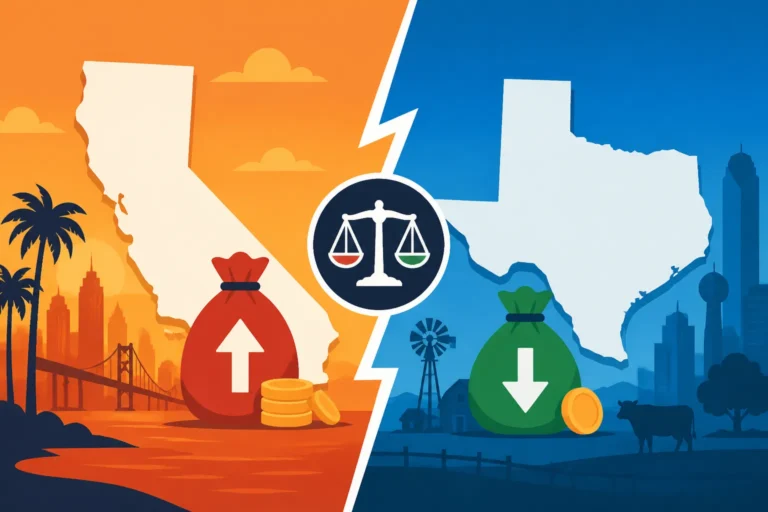
Why Are California Taxes So High?
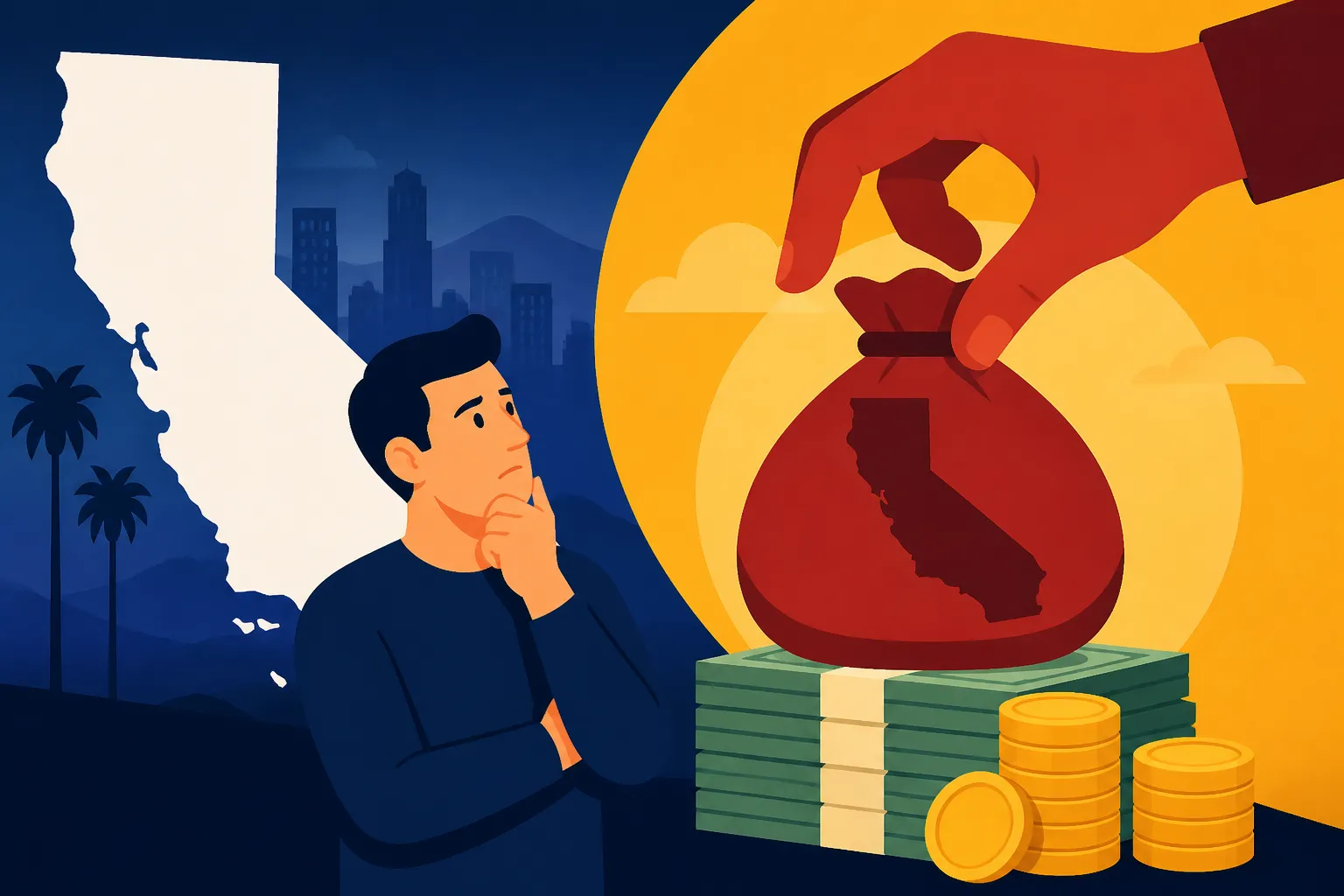
It's no secret that living in California often comes with a hefty price tag, and for many, a significant portion of that cost feels like it's vanishing into state taxes. If you've ever looked at your paycheck or a bill and wondered, "Why are California taxes so high?", you're certainly not alone in that frustration. This guide is here to unravel the complex web of California's tax structure, explaining exactly what contributes to its reputation as one of the most expensive states for taxpayers and how those funds are utilized.
The Progressive Income Tax Elephant in the Room
When people talk about high taxes in California, the state income tax is often the first thing that comes to mind, and for good reason. California has one of the most aggressive progressive income tax systems in the country. This means that the more you earn, the higher percentage of your income the state takes, reaching a peak that is unmatched by any other state.
Unpacking California's Top Tax Brackets
California’s individual income tax is structured with a series of brackets, starting at a relatively low rate for lower incomes and climbing dramatically for higher earners. For the 2026 tax year, the top marginal income tax rate in California is 13.3%. This includes a 1% mental health services tax that applies to incomes over $1,000,000. To put that in perspective, the next highest state income tax rate is significantly lower. This isn't just about wealthy individuals; anyone with a substantial income, even well into the middle class, can find themselves in one of the higher brackets, feeling a considerable bite out of their earnings.
Think about it: if you're a successful software engineer in San Jose making a great salary, a significant portion of every additional dollar you earn could be taxed at that 13.3% rate, on top of your federal taxes. This progressive structure is designed to generate substantial revenue from those with the highest incomes, which is one of the primary reasons California's tax collections are so robust. You can dive deeper into the specifics of these rates by checking out our guide on California Income Tax Brackets 2026
How Your Income Level Impacts Your Tax Bill
It's not just the top rate that contributes to the overall high tax burden. The thresholds for each bracket mean that many middle-income Californians also face higher rates than they might in other states. For example, a single filer with a taxable income of $60,000 in California will face a higher effective state tax rate than someone earning the same amount in a state with a flatter tax system or lower progressive rates.
Let's illustrate with a hypothetical: Imagine Sarah, a registered nurse in Los Angeles, earning $120,000 a year. While she might not hit the very top 13.3% bracket, a substantial portion of her income will be taxed at rates that are far from negligible, such as 9.3% or 10.3%. This is a significant chunk of change that would stay in her pocket if she lived in a state with a flat tax or one of the many States With No Income Tax (2026 Full List). The cumulative effect of these higher progressive rates across a wide spectrum of incomes really adds up, making California consistently one of the Highest Income Tax States in 2026. This robust system is foundational to how California funds its extensive public services, a topic we'll explore in more detail later.
Beyond Income: Sales, Property, and Other Levies
While the income tax often grabs the headlines, California's overall tax burden is compounded by a combination of other significant taxes, including sales tax, property tax, and various other fees and surcharges. These taxes affect nearly every aspect of daily life, from purchasing groceries to owning a home, and contribute to the overarching feeling that everything costs more in the Golden State.
California's Sales Tax: A Daily Impact
California boasts the highest statewide sales tax rate in the nation. As of 2024, the base statewide rate is 7.25%. But here's where it gets interesting – and often more expensive for consumers. Local jurisdictions, including cities and counties, are allowed to add their own district sales taxes on top of the state rate. This means that depending on where you make a purchase, the actual sales tax rate you pay can climb much higher.
For instance, in some areas, like the city of Alameda, you might find yourself paying a combined sales tax rate of 10.25%. If you're buying a new car, a piece of expensive electronics, or even just doing your weekly grocery run (on taxable items, of course), that extra few percentage points really starts to add up. It's not just a small inconvenience; it's a constant, small drain on your wallet every time you make a purchase, fundamentally contributing to the higher cost of living that many residents feel. This combination of a high base rate and local add-ons means that the sales tax impact is felt acutely by everyone, regardless of income level.
The Nuances of Property Taxes in the Golden State
California's property tax system is famously shaped by Proposition 13, passed in 1978. This initiative limits the annual increase in a property's assessed value to no more than 2% per year, unless there's a change in ownership. It also caps the overall property tax rate at 1% of the assessed value, plus any locally approved bonded indebtedness. On the surface, this might sound like it reduces taxes, but the reality is more complex.
While Prop 13 keeps annual increases predictable and relatively low for long-time homeowners, it doesn't mean property taxes are low overall. The sheer value of real estate in California, especially in major metropolitan areas like the Bay Area or Southern California, drives up the actual tax bill significantly. Even with a 1% rate, a home valued at $1 million will still incur a property tax bill of at least $10,000 annually, not counting special assessments. New homebuyers often face much higher property tax bills because their property is assessed at its current market value upon purchase. So, while the rate might seem lower than in some other states, the astronomically high property values mean that the amount paid can be quite substantial. Financial planning sites like SmartAsset often highlight how quickly these costs add up when considering a home purchase in California.
Additional Taxes and Fees
Beyond the big three (income, sales, and property), California has a number of other taxes and fees that contribute to the overall burden.
- Vehicle Registration Fees: These are notably higher in California compared to many other states, often including additional charges for air quality programs and transportation projects. Owning a car, which is almost a necessity in many parts of the state, comes with a significant annual cost.
- Gasoline Excise Tax: California has one of the highest gasoline taxes in the nation, which directly impacts commuters and anyone who drives regularly. This tax helps fund road maintenance and other transportation infrastructure, but it also means you pay more at the pump.
- Capital Gains Tax: Unlike some states that have a separate, lower tax rate for capital gains, California treats capital gains as ordinary income. This means if you sell stocks, real estate, or other appreciated assets, the profits are added to your regular income and taxed at your marginal income tax rate, potentially pushing you into a higher bracket. This is a crucial consideration for investors and retirees. If you're curious about how other states handle this, our article on Which States Tax Capital Gains? can provide more insight.
Here's a quick look at how California's major tax rates stack up against some general averages:
| Tax Type | California Rate (Approx. 2026) | National Average / Key Comparison (Approx.) | Notes |
|---|---|---|---|
| Top Individual Income Tax Rate | 13.3% | 4.6% (avg of states with income tax) | Highest in the nation, includes 1% mental health tax |
| Statewide Sales Tax Rate | 7.25% | 5.75% (state average) | Highest statutory minimum state rate; local additions can raise it to over 10% |
| Average Effective Property Tax Rate (of home value) | 0.73% | 1.07% (national average) | Lower rate due to Prop 13, but high values lead to high overall bills |
| Gasoline Excise Tax (per gallon) | 59.6 cents | 31.02 cents (national average) | Second highest in the nation; fuels transportation projects |
The "Why" Behind the High Rates: Public Services and State Spending
It’s easy to focus on the numbers and feel the pinch, but it's equally important to understand why California taxes are structured this way. The state's high tax revenue isn't just disappearing; it's used to fund a vast array of public services, infrastructure projects, and social programs that are integral to the state's operations and its residents' quality of life. California has a robust and expensive public sector, driven by a large and diverse population and a commitment to certain social and environmental policies.
Investing in a Robust Public Sector
California's budget is enormous, reflecting its status as the most populous state and one of the largest economies in the world. A significant portion of the tax revenue goes towards public education, from K-12 schools to the expansive University of California and California State University systems. These institutions are critical for workforce development and research, and they require substantial funding.
Beyond education, California invests heavily in:
- Infrastructure: Maintaining and improving thousands of miles of roads, bridges, public transit systems, and ports across such a geographically diverse and earthquake-prone state is a monumental and continuous undertaking.
- Healthcare and Social Services: The state provides extensive healthcare services, including Medi-Cal (California's Medicaid program), and a wide range of social safety net programs to support vulnerable populations. These programs are vital for many residents but come with significant costs.
- Environmental Protection: California is a leader in environmental regulations and renewable energy initiatives. Funding these programs, from combating wildfires to developing green technologies, requires substantial state investment.
- Public Safety: Supporting law enforcement, fire departments, and emergency services across a state with nearly 40 million people is another massive budgetary item.
Essentially, Californians are paying for a comprehensive suite of public services and a certain quality of life that the state endeavors to provide. This commitment to public investment is a core philosophy behind the state's taxing policies.
Addressing California's Unique Challenges
California faces unique and often expensive challenges that necessitate higher tax revenues.
- Massive Population and Diversity: With almost 40 million residents, the demand for public services, from schools to emergency response, is incredibly high. The state's diverse population also requires a broad range of social programs and support systems.
- High Cost of Living: While not a tax itself, the exceptionally high cost of living, particularly housing, in California means that public sector wages and the cost of state operations are generally higher than in many other states. This creates a feedback loop where the state needs more revenue to cover its own operational costs. You can learn more about how this impacts financial well-being by reading our article on Cost of Living vs Taxes by State.
- Natural Disasters: California is regularly impacted by wildfires, droughts, and other natural disasters. The costs associated with prevention, mitigation, and recovery are enormous and often fall, in part, on state taxpayers.
- Economic Disparity: The state has a significant wealth gap, and its progressive tax structure is, in part, an attempt to address this by generating more revenue from higher earners to fund programs that benefit a broader segment of the population.
These factors combine to create a fiscal environment where higher taxes are deemed necessary to maintain the state's operations, address its challenges, and pursue its policy goals. Financial strategists like those at SmartAsset often help individuals understand how these unique state factors can impact their personal finances and tax planning.
Navigating California's Tax Landscape
Understanding why California's taxes are so high is one thing; figuring out how to manage your personal tax burden within this system is another. For those who choose to call the Golden State home, there are strategies and considerations that can help.
Strategies for Managing Your Tax Burden
While you can't magically lower California's tax rates, there are legitimate ways to optimize your personal tax situation:
- Maximize Deductions and Credits: California offers its own set of deductions and credits that can reduce your taxable income or your tax liability directly. These can include deductions for contributions to certain retirement plans, student loan interest, and various tax credits for families, low-income individuals, or those investing in specific areas like renewable energy. Make sure you're aware of every credit and deduction you qualify for; our guide on California Tax Credits & Deductions Guide is a great place to start.
- Retirement Planning: Strategically utilizing tax-advantaged retirement accounts like 401(k)s and IRAs can help reduce your current taxable income. While withdrawals in retirement will be taxed, careful planning can help manage those future obligations.
- Homeownership Benefits (with caveats): While property values are high, homeowners can still benefit from property tax deductions on their federal income tax (subject to the SALT cap). Remember, California treats capital gains on primary residences differently if certain criteria are met.
- Professional Tax Advice: Given the complexity of California's tax code, especially if you have multiple income streams, investments, or are a business owner, consulting with a qualified tax professional is often a wise investment. They can help you identify all eligible deductions, credits, and strategies tailored to your unique financial situation.
It's also crucial to understand the difference between your marginal and effective tax rates, as this can give you a clearer picture of your actual tax burden. Our article on How State Tax Brackets Work: Marginal vs Effective breaks this down beautifully.
Considering a Move: Tax Implications
For some, the high tax burden in California becomes a major factor in considering a move to another state. If you're pondering such a significant life change, it's essential to understand the tax implications thoroughly.
- Residency Rules are Key: Simply owning property elsewhere or spending some time out of state isn't enough to change your tax residency. California has stringent California Residency Requirements for Taxes, and the Franchise Tax Board (FTB) is known for actively auditing individuals who claim to have moved. You need to establish true domicile in a new state, which involves severing ties with California (e.g., getting a new driver's license, registering to vote, moving personal belongings, changing bank accounts, selling your California home).
- Compare Total Tax Burden: Don't just look at income tax. A state with no income tax, like Texas or Florida, might have higher property taxes or sales taxes that could offset some of the savings, especially if you're a high spender or plan to buy expensive real estate. Always look at the complete financial picture. SmartAsset, for example, offers tools that can help you compare the overall tax burden across different states.
- Consider Cost of Living: A state with lower taxes might also have a lower cost of living, which enhances the financial benefit of moving. However, some states with lower income taxes might have similar or even higher costs of living in desirable areas.
- Lifestyle Considerations: Taxes are just one piece of the puzzle. Consider job opportunities, climate, proximity to family, and access to amenities. Moving solely for tax reasons without considering these factors can lead to unforeseen challenges. If you're thinking of making a move, our guide on Moving From California to Avoid State Tax offers an in-depth look at what's involved.
Ultimately, whether California's high taxes are a deterrent or a manageable aspect of living in the state depends on your personal financial situation, your values regarding public services, and your willingness to navigate a complex tax landscape. The state's tax burden is a reflection of its ambitions, its challenges, and its diverse population, making it a unique and often expensive place to live and work.
Disclaimer
Please remember that tax laws are incredibly complex and subject to change. The information provided in this guide is for general informational purposes only and does not constitute financial, legal, or tax advice. Always consult with a qualified tax professional or financial advisor for advice tailored to your specific situation.