New Jersey Tax Deadline 2026
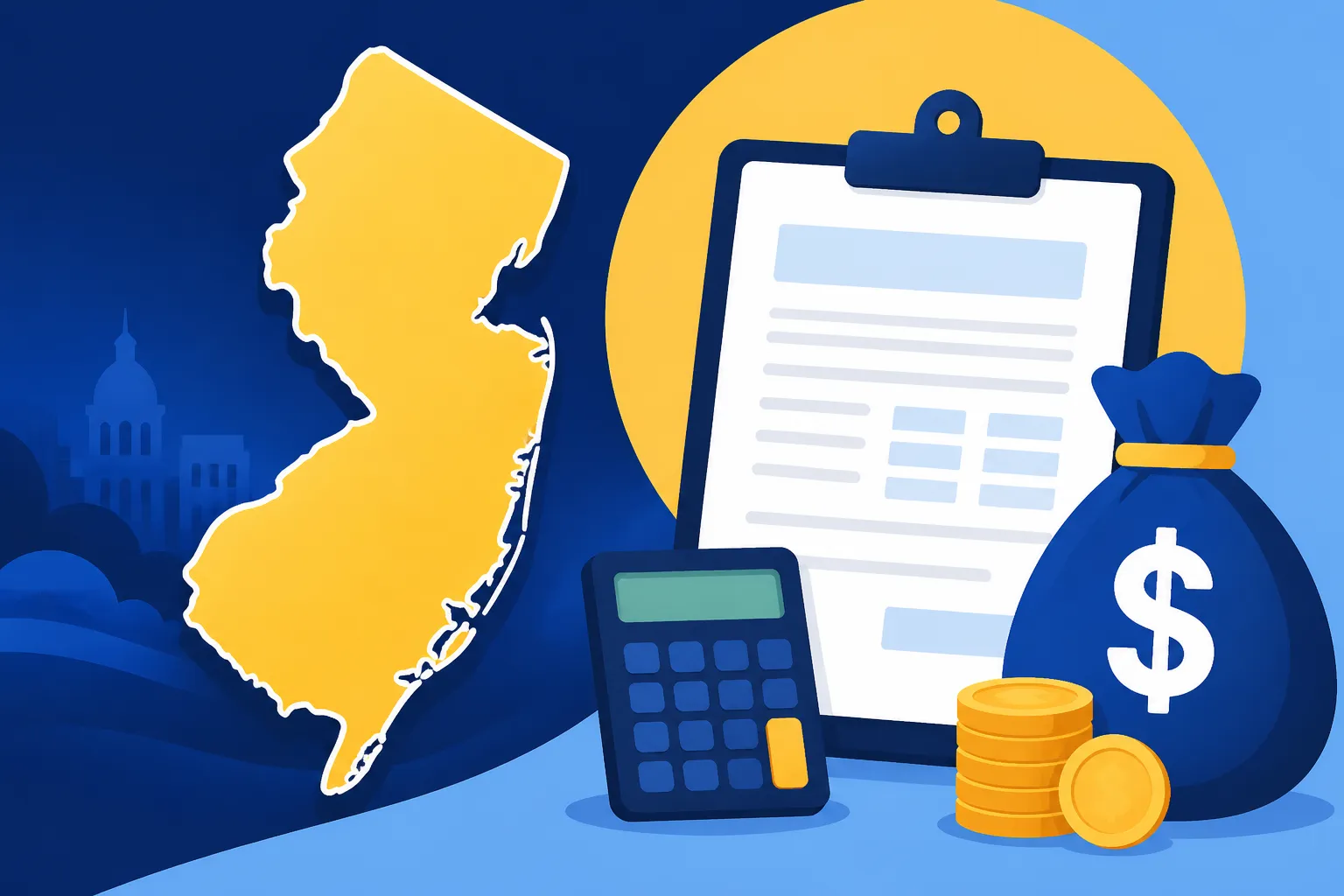
Oh, tax deadlines. Just hearing the words can send a shiver down anyone's spine, right? It feels like you just finished one tax season, and suddenly, the next one is looming. For those of us living or working in the Garden State, keeping track of the New Jersey tax deadline can feel like a whole other layer of complexity on top of the federal requirements. You might be wondering if it's the same as the federal deadline, what happens if you miss it, or how on earth to get an extension. Well, take a deep breath! This guide is designed to walk you through everything you need to know about the New Jersey tax deadline for 2026, offering clear, actionable steps to help you navigate it with confidence.
Understanding the Standard New Jersey Tax Deadline for 2026
Let's face it, tax season often brings a mix of dread and confusion, especially when you're trying to keep your federal and state obligations straight. For New Jersey residents and those earning income within the state, understanding the fundamental deadline is the first, most crucial step in avoiding unnecessary stress and penalties.
Key Dates for Filing and Payment
For most individual New Jersey taxpayers, the standard deadline to file your state income tax return and pay any taxes you owe typically mirrors the federal deadline. For the 2026 tax year (which covers income earned in 2026 and is filed in 2027), this date usually falls in mid-April. In most years, it's April 15th, but if that date happens to land on a weekend or a holiday, the deadline shifts to the next business day. For example, if April 15, 2027, were a Saturday, the deadline would likely move to Monday, April 17, 2027.
It's super important to remember that this single date is actually a double whammy: it's both the last day to submit your completed Form NJ-1040 (or the appropriate state return) and the last day to send in any remaining tax payment you owe for the year. There's no separate deadline for payment if you're not extending your filing. If you've been working remotely from your home in New Jersey, but your company is based out of state, your tax situation might also involve understanding how your income is sourced, which can sometimes add layers of complexity. For a broader perspective, you might find our guide on State Tax Deadlines 2026 (All States) helpful, but for New Jersey, mark that mid-April date clearly on your calendar.
Why Missing the Deadline is a Bad Idea
We've all been there: life gets busy, and sometimes things slip through the cracks. But when it comes to taxes, letting that deadline pass without action can come with some real financial headaches. New Jersey, like other states, imposes penalties for both late filing and late payment. And trust me, these can add up faster than you'd think.
Penalties for Late Filing: If you don't file your return by the due date (or by your extended due date), New Jersey can hit you with a penalty. This penalty is typically 5% per month (or part of a month) that your return is late, capped at 25% of the tax due. So, if you owe $1,000 and file three months late, you could be looking at an additional $150 in penalties, on top of any interest.
Penalties for Late Payment: Even if you file on time, if you haven't paid all the taxes you owe by the deadline, you'll incur a late payment penalty. This penalty is often 5% of the unpaid tax, plus interest at the annual rate of 3% above the prime rate, compounded daily. Let's say you forgot to pay that $1,000 you owed by April 15th, and you finally send it in two months later. You'd face the 5% late payment penalty ($50), plus interest calculated daily on that $1,000 for those two months. Suddenly, a relatively small tax bill can grow significantly. It’s a frustrating situation that many taxpayers face, highlighting the importance of understanding State Tax Payment Plans & Penalties before it's too late.
The New Jersey Division of Taxation is pretty serious about these deadlines because they rely on timely tax collection. It's not about being punitive; it's about ensuring the state has the funds it needs to operate. So, while it's easy to procrastinate, the financial repercussions serve as a strong motivator to get those returns in on time.
Navigating Extensions for New Jersey State Taxes
Life throws curveballs, and sometimes, despite your best intentions, you simply can't get your tax return ready by the mid-April deadline. Maybe you had a medical emergency, you're waiting on crucial documents, or you just ran out of time. The good news is that New Jersey does offer a way to get more time to file your return, but it's vital to understand the nuances.
How to Get a New Jersey Tax Extension
Feeling overwhelmed and needing more time to get your New Jersey tax return in order? You're not alone. Many people find themselves in this boat. Fortunately, New Jersey generally grants an automatic six-month extension to file your individual income tax return if you've been granted a federal extension by the IRS. So, if you file federal Form 4868 to extend your federal taxes, you typically don't need to file a separate state extension form with New Jersey. Your New Jersey return will then be due in mid-October.
However, here's the crucial catch that often trips people up: an extension to file is NOT an extension to pay. This is a common misconception that leads to unexpected penalties. When you request an extension, you're asking for more time to prepare and submit your paperwork, not to delay paying any taxes you might owe. You are still expected to pay at least 80% of your total tax liability by the original April deadline to avoid a late payment penalty. If you don't, you could still be hit with those late payment penalties and interest, even if your filing deadline has been extended. For a more detailed walkthrough, our comprehensive article on State Tax Extensions: How to File can provide additional guidance specific to various state requirements. Many tax software programs, like TurboTax, can help you file both your federal extension and ensure you're aware of any estimated state payments due.
If you don't file a federal extension, or if you need an extension specifically for New Jersey without a federal one, you'd typically need to submit Form NJ-630, Application for Extension of Time to File New Jersey Gross Income Tax Return, by the original due date. However, this is less common for most individual filers who usually file federal taxes first.
The Importance of Paying on Time, Even with an Extension
I can't stress this enough: securing an extension for filing your New Jersey tax return doesn't give you a pass on paying your taxes by the original deadline. This distinction is one of the biggest sources of frustration for taxpayers who think they've done everything right by getting an extension, only to find themselves facing penalties.
Let's imagine you filed an extension because you're waiting on some K-1 forms, and you estimate you'll owe $1,500 to New Jersey. Even with your filing extension pushing your deadline to October, you should still send in at least 80% of that $1,500 (so, $1,200) by the original April due date. If you wait until October to pay the full amount, New Jersey will consider that payment late from April to October and will charge you interest and possibly penalties on the underpaid amount from the original deadline.
To avoid this, it's wise to make a good faith estimate of your tax liability and pay as much as you can by April. You can do this through the New Jersey Division of Taxation's online payment system, or by mail with a payment voucher. Remember, the goal of the extension is to give you more time to accurately complete your return, not to float the state an interest-free loan. If you're using software like TurboTax, it will usually prompt you to make an estimated payment when you file for an extension, which can be a real lifesaver in avoiding those annoying extra charges. For a better understanding of how your overall tax burden might look, you could also explore topics like New Jersey Standard Deduction 2026 to see how deductions might impact your owed amount.
Special Circumstances Affecting Your New Jersey Tax Deadline
While the mid-April deadline is the general rule, there are always unique situations that can shift or alter your tax obligations. Understanding these exceptions is crucial for certain groups of taxpayers in New Jersey, preventing surprises and ensuring compliance.
Military Personnel and Overseas Filers
For those serving our country, or those living abroad, the New Jersey Division of Taxation often provides extended deadlines. If you're a member of the U.S. armed forces stationed in a combat zone or a qualified hazardous duty area, you generally get an automatic extension to file and pay your New Jersey income taxes, similar to federal rules. This extension typically lasts for 180 days after you leave the combat zone, plus the number of days you had remaining to file or pay when you entered the combat zone. This provides a much-needed buffer for those dedicated to service.
Similarly, if you're a U.S. citizen or resident alien residing overseas, or if you're in military service outside the U.S. and Puerto Rico, you might also qualify for an automatic two-month extension to file your federal return. New Jersey typically follows suit, granting an extension until June 15th for these circumstances, even without formally requesting one, though any tax due still accrues interest from the original April deadline. It's always best to check the specific guidelines from the New Jersey Division of Taxation if you fall into one of these categories to ensure you're fully compliant, as rules can sometimes change or have specific requirements.
Estimated Tax Payments Throughout the Year
The annual tax deadline is just one piece of the puzzle for many people. If you're self-employed, a freelancer, or have significant income that isn't subject to regular withholding (like rental income, investment earnings, or substantial alimony), you likely need to make estimated tax payments throughout the year. New Jersey, like the IRS, operates on a "pay-as-you-go" system. This means you're expected to pay your estimated income tax in quarterly installments.
The typical due dates for these quarterly payments are:
| Quarter | Period Covered | Due Date (Approximate) |
|---|---|---|
| 1 | January 1 to March 31 | April 15 |
| 2 | April 1 to May 31 | June 15 |
| 3 | June 1 to August 31 | September 15 |
| 4 | September 1 to December 31 | January 15 (of next year) |
Again, if any of these dates fall on a weekend or holiday, the deadline shifts to the next business day. Missing these quarterly payments, or significantly underpaying, can result in penalties, even if you get a refund when you file your annual return. It's crucial to estimate your income and deductions as accurately as possible to avoid these penalties. Many self-employed individuals find How to Calculate My State Income Tax or What Is My State Tax Rate If I Make $100,000? useful in projecting their quarterly payments.
Amended Returns and Other Filing Needs
Sometimes, after you've already filed your New Jersey tax return, you realize you made a mistake. Maybe you forgot to include a deduction, misreported income, or discovered new information. This is where an amended return comes in. For New Jersey, you generally have three years from the date you filed your original return, or two years from the date you paid the tax, whichever is later, to file an amended return to claim a refund. If you owe additional tax due to the amendment, you should file and pay as soon as you discover the error to minimize penalties and interest. Our guide on How to File an Amended State Return provides a comprehensive overview of this process, which typically involves filing Form NJ-1040X.
Other specific filing needs, such as filing for a deceased taxpayer, might also have slightly different rules or require additional forms. Always consult the official New Jersey Division of Taxation website or a tax professional for these more complex scenarios.
Resources and Tools to Help You Meet the Deadline
Navigating tax season can feel like a solo mission, but you don't have to go it alone. There are plenty of resources and tools available to help you meet the New Jersey tax deadline efficiently and accurately.
Utilizing Tax Software for Timely Filing
In this digital age, tax software has become an invaluable asset for millions of taxpayers, including those in New Jersey. Programs like TurboTax are designed to simplify the often-complex process of preparing and filing both federal and state tax returns. They guide you step-by-step, asking plain-language questions and often pre-filling information from previous years or imported tax documents, significantly reducing the chances of errors.
One of the biggest advantages of using software like TurboTax is the ease of e-filing. You can submit your New Jersey state return electronically, often at the same time as your federal return, which is both convenient and provides instant confirmation of receipt. This helps ensure your return is filed before the deadline. Plus, these platforms often have built-in calculators that can help you estimate your tax liability if you're filing an extension, ensuring you pay enough to avoid underpayment penalties. If you're looking for cost-effective ways to file, you might also want to check out Free State Tax Filing Options 2027, as some software providers offer free versions for eligible taxpayers or low-income individuals.
The software also keeps up-to-date with all the latest tax laws, credits, and deductions specific to New Jersey, so you don't have to become a tax expert yourself. This can be especially helpful if you're trying to maximize your New Jersey Tax Credits & Deductions Guide.
Where to Find Official New Jersey Tax Information
While blogs and guides like this one aim to demystify tax topics, nothing beats going straight to the source for the most accurate and up-to-date information. The New Jersey Division of Taxation is your primary official resource for all things related to state income tax.
Their website, state.nj.us/treasury/taxation/, is a treasure trove of information. Here, you can:
- Find Official Forms and Instructions: Download the latest Form NJ-1040, NJ-1040EZ, and any other schedules or forms you might need, along with their detailed instructions.
- Access Payment Options: Make electronic payments for current year taxes, estimated taxes, or outstanding balances.
- Check Refund Status: If you're expecting money back, you can track the status of your Where's My New Jersey Tax Refund? directly on their portal.
- Review Tax Laws and Publications: Stay informed about any recent State Income Tax Cuts & Changes for 2026 or specific rules that apply to your situation.
- Contact the Division: Find phone numbers and addresses for direct assistance if you have specific questions that aren't answered online.
For a broader understanding of the entire tax filing process, our How to File State Taxes: Complete Guide offers a general overview that can complement the specific information provided by the New Jersey Division of Taxation. Always cross-reference any information with the official state resources to ensure you're acting on the most current guidelines.
Disclaimer
This article is for general informational purposes only and does not constitute professional advice. Laws and regulations vary by location and change over time. Consult a qualified professional for guidance on your specific situation.