Why Did I Get a Smaller State Refund This Year?
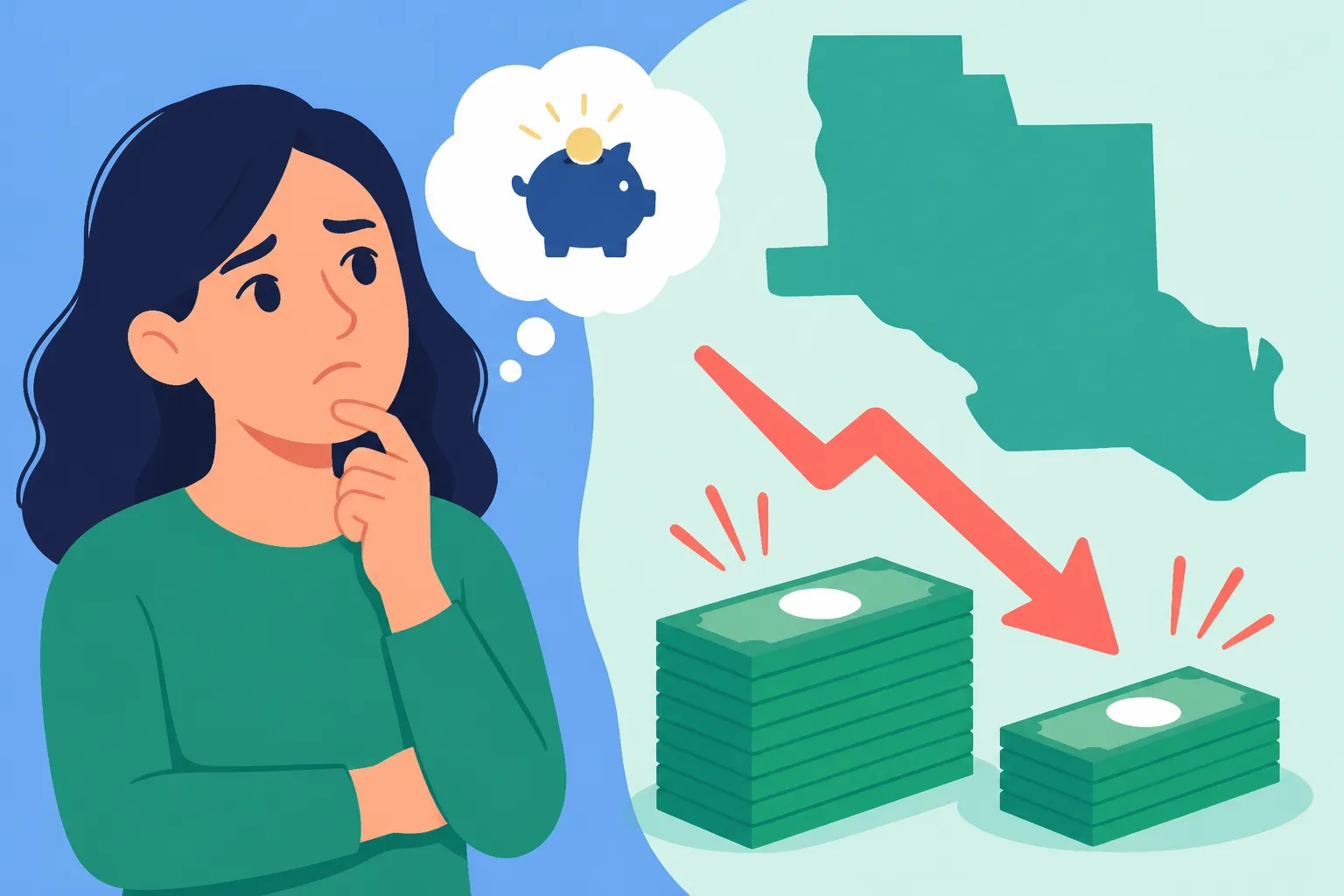
There’s almost nothing more disheartening than eagerly checking your tax refund status, only to discover that the amount you're getting back from your state is significantly less than you anticipated – or even worse, far less than last year. It can feel like a punch to the gut, especially when you were counting on that money for a specific goal or just to shore up your savings. You’re left wondering, "What on earth happened?" This comprehensive guide is here to unravel the mystery, explore the common culprits behind a smaller state tax refund, and give you clear, actionable steps to understand and even improve your situation for next year.
Understanding What a State Tax Refund Actually Is
Before we dive into why your refund might have shrunk, it’s crucial to understand what a tax refund truly represents. It’s not "free money" or a bonus from the government. Think of it more like a rebate or a reimbursement. Throughout the year, your employer withholds a portion of your paycheck for state income taxes based on the information you provided on your W-4 (or your state's equivalent). If the total amount withheld from your paychecks throughout the year is more than the actual state tax liability you owe, the state tax authority refunds you the difference.
Conversely, if not enough was withheld, you might owe more tax, or your refund could be significantly smaller, or even result in you owing money. A large refund often means you effectively gave the state an interest-free loan with your money, which isn't always the savviest financial move. A smaller refund, while disappointing, might actually indicate more accurate withholding throughout the year.
The Dynamics of Overpayment and Underpayment
The goal for many isn't necessarily a massive refund, but rather to break even or receive a small refund. This indicates that your withholding was pretty spot-on. If you consistently receive a huge refund, it might be worth adjusting your W-4 or state withholding forms to keep more of your money in your paycheck throughout the year. This way, you have access to your funds when you need them, rather than waiting for tax season.
On the flip side, underpaying your estimated taxes or having too little withheld can lead to penalties, especially if the amount you owe is substantial. It's a delicate balance, and understanding your tax situation is key. This is why tools found on platforms like TurboTax can be incredibly helpful for estimating your tax liability throughout the year.
Common Reasons Your State Refund Shrank This Year
There's a myriad of reasons why your state tax refund might have dwindled. Often, it's a combination of factors, some within your control and others dictated by state legislation or personal life changes.
Changes in Your Income or Employment
One of the most frequent reasons for a smaller refund ties directly to changes in your earnings. Even a slight bump in pay can have a ripple effect.
Earning More Income
If you earned more money in the past year, you might have moved into a higher tax bracket, even if it's just marginally. Many states have a Progressive Income Tax States 2026 system, meaning as your income increases, the percentage of tax you pay on additional income also increases. If your employer didn't adjust your withholding to match this higher income level, you could find yourself with a smaller refund or even owing money. For instance, if you got a promotion or a significant raise, but your withholding settings remained the same, you likely underpaid throughout the year relative to your new income.
New Job or Multiple Jobs
Starting a new job, taking on a side hustle, or working multiple jobs can complicate withholding. Each employer typically withholds tax based on the assumption that they are your only employer. If you have two jobs, the combined income can push you into a higher tax bracket without either employer adequately withholding for the total income. This is a classic scenario for unexpected tax bills or smaller refunds. Similarly, if you started a new job mid-year and the withholding from your previous job was more aggressive, it could average out to less overall withholding, leading to a smaller refund.
Adjustments to Your Withholding
Sometimes, the change isn't in your income but in how much is being held back from your paychecks.
Updated W-4 or State Withholding Forms
Did you fill out a new W-4 form for federal taxes, or your state's equivalent (like a DE-4 in Delaware or a VA-4 in Virginia) recently? Sometimes, people adjust their withholding to increase their take-home pay, perhaps to cover new expenses or simply to have more cash flow during the year. While this is a smart financial move for some, if you aimed for less withholding without fully understanding the impact on your total tax liability, it could lead to a smaller refund at tax time. Even a small change, like claiming one more dependent than you did previously, can reduce the amount withheld.
Changes in Withholding Allowances
Historically, tax forms used "allowances" to determine withholding. While the federal W-4 form has been updated to remove allowances, some states might still use a similar concept or have their own specific forms. If you changed the number of allowances you claimed, whether for a new child, a new home, or simply because you thought it would get you a bigger paycheck, it directly impacts the amount of tax withheld. More allowances generally mean less tax withheld, which translates to a smaller refund or a balance due.
Shifts in State Tax Laws or Deductions
State tax laws are not static. Legislatures regularly make changes that can impact your refund, even if your personal situation hasn't changed much. Many states have been busy enacting State Income Tax Cuts & Changes for 2026.
Reduced State Income Tax Rates
Some states have implemented tax cuts or phased out certain taxes, like what's happening in places like Missouri and Nebraska with their Social Security tax repeal. While a lower tax rate sounds great, sometimes it means less tax is withheld from your paycheck throughout the year. If you were used to overpaying and getting a large refund, these changes might mean you're paying closer to your actual liability, resulting in a smaller refund. This could be particularly noticeable in states that are moving towards a Georgia Flat Tax Rate 2026 or have recently shifted their tax structure.
Elimination or Reduction of Credits and Deductions
States often offer specific tax credits or deductions for things like education expenses, energy-efficient home improvements, or dependent care. If a credit you previously qualified for was eliminated, reduced, or if you simply no longer met the eligibility criteria, your tax liability could go up, leading to a smaller refund. For example, some states have specific State Child Tax Credits 2026 or Renters' Tax Credits by State that can significantly impact your refund, and any change to these could be a major factor.
It's also worth noting that the federal SALT (State and Local Tax) deduction cap of $10,000 can indirectly affect your state tax picture, especially if you have high property taxes. While this is a federal limit, it influences your overall tax strategy, and understanding How the SALT Cap ($40,000) Affects State Taxes is important for some taxpayers.
Life Events and Household Changes
Major life events rarely leave your tax situation untouched. These personal changes often have significant implications for your deductions, credits, and overall tax liability.
Marriage, Divorce, or Widowhood
Changing your marital status fundamentally alters how you file your taxes and the deductions and credits you can claim. Getting married might mean your combined income pushes you into a higher bracket, or your spouse's income and withholding impact your joint refund. Divorce or becoming a widow can also change filing status, dependent claims, and eligibility for certain credits, potentially leading to a smaller refund than you received when filing under a different status.
Birth or Loss of Dependents
Bringing a new child into the world often brings joy, and also new tax benefits like the Child Tax Credit or dependent care credits. However, if you lost a dependent through a child growing up and moving out, or through a tragic event, you would no longer be able to claim them, which could reduce your refund significantly. For example, if your child turned 17 during the tax year, you might have lost the full Child Tax Credit for them.
Buying or Selling a Home
Homeownership comes with various potential tax benefits, such as mortgage interest deductions and property tax deductions. If you sold your home, you might have lost some of these deductions. Conversely, if you bought a home, you might have more deductions than before, but if your withholding wasn't adjusted to account for these new deductions, your refund could still be smaller if other factors are at play. Understanding State Tax Deductions for Homeowners is critical.
Errors on Your Tax Return
Sometimes, the simplest explanation is the most overlooked: a mistake was made during the filing process.
Incorrect Information or Data Entry Errors
Whether you filed manually or used tax software like TurboTax, human error can creep in. A misplaced decimal point, an incorrect Social Security number, or misentering a figure from a W-2 or 1099 can drastically alter your tax calculation. Even relying on last year's figures without confirming them against current documents can lead to discrepancies. Make sure you double-check all your numbers!
Miscalculating Deductions or Credits
It's easy to make mistakes when calculating complex deductions or credits. Perhaps you claimed a deduction you weren't fully eligible for, or you miscalculated the amount. State-specific rules for deductions can be intricate, and what applies federally might not apply to your state return, or vice-versa. For instance, some states have unique rules about 529 Plan Tax Deductions by State. If you over-claimed in a prior year and corrected it this year, your refund would naturally be smaller.
Proactive Steps to Manage Your State Tax Withholding for the Future
Feeling blindsided by a smaller refund isn't fun, but you can take control for next year. The key is proactive management throughout the year, rather than a once-a-year surprise.
Review Your W-4 and State Withholding Forms Annually
This is probably the most crucial step. You should absolutely make it a habit to review your federal W-4 and your state's equivalent withholding form at least once a year, or whenever you experience a major life event.
How to Adjust Your Withholding
You can adjust your withholding by submitting a new form to your employer's HR or payroll department. This form allows you to specify how much federal and state tax should be withheld from each paycheck. Many online tax platforms, including TurboTax, offer W-4 estimators that can help you determine the optimal withholding amount based on your income, deductions, and credits. The goal is to get as close as possible to your actual tax liability, minimizing either a huge refund or a balance due.
Consider Life Events and Income Changes
If you anticipate a promotion, a significant bonus, or plan to start a side gig, adjust your withholding before those changes fully take effect. Similarly, if you plan to get married, have a child, or buy a house, re-evaluate your withholding. Even if you're single with one job, reviewing your withholding annually helps ensure it aligns with any adjustments in tax law or your financial situation.
Utilize Tax Withholding Calculators
Many states offer their own withholding calculators on their Department of Revenue websites. These are fantastic resources because they're tailored to the specific tax laws, rates, and deductions of your state.
Leveraging Online Tools
Federal and state tax agencies, as well as tax software providers, offer free withholding calculators. The IRS Tax Withholding Estimator is a robust tool, and many states have similar versions. These tools ask for information about your income, deductions, and credits, and then provide a recommendation for how to fill out your W-4 and state withholding forms. Using these can prevent future surprises. You can find out more about how to calculate your individual state liability by checking out articles like How Do I Calculate My State Income Tax?.
Make Estimated Tax Payments
If you have income that isn't subject to withholding, such as self-employment income, rental income, or significant investment income, you might need to make estimated tax payments throughout the year. This applies to both federal and state taxes.
When Estimated Payments Are Necessary
Many states require estimated payments if you expect to owe a certain amount (often $500 or $1,000, depending on the state) in taxes for the year beyond what is covered by withholding. Failing to make these payments, or underpaying, can lead to penalties. These payments are typically due quarterly. This is especially true for small business owners or freelancers who are often surprised by their tax bill because they don't have an employer automatically withholding taxes for them.
Here's a quick comparison of common reasons for a smaller state refund:
| Reason for Smaller Refund | Explanation | Potential Impact | Proactive Solution |
|---|---|---|---|
| Increased Income | Higher salary, bonuses, side income, or a new job. | Pushed into a higher tax bracket or overall tax liability increased without adequate withholding. | Update W-4/state withholding forms, use withholding calculators. |
| Reduced Withholding | You adjusted your W-4/state forms to have less tax withheld from paychecks. | More take-home pay, but less overpayment, leading to a smaller refund. | Regularly review and adjust withholding based on financial goals and actual tax liability. |
| Changes in State Tax Laws | State tax rate cuts, elimination of certain credits/deductions. | Lower overall tax liability for some, but if withholding wasn't adjusted, a smaller refund is possible. | Stay informed about state tax changes (e.g., State Income Tax Cuts & Changes for 2026). |
| Life Event Changes | Marriage, divorce, loss of a dependent, selling a home. | Altered filing status, loss of credits/deductions. | Update W-4/state forms immediately after life events; understand implications of State Tax Residency Rules Explained. |
| Errors on Prior Year's Return | Over-claiming deductions or credits in a previous year. | Correcting these errors in the current year makes your "true" refund smaller in comparison. | Double-check all entries and consult tax professionals or software. |
| Outstanding Debts | State-owed debts (e.g., child support, student loans, back taxes). | Your refund was intercepted to cover these outstanding obligations. | Address debts proactively to avoid refund offsets. |
What to Do If You Believe There's an Error or Discrepancy
After going through all of this, if you still feel like something is fundamentally wrong with your refund amount, it's time to investigate. Don't just accept it; verify!
Double-Check Your Filed Return
Start by meticulously reviewing the tax return you submitted. Did you enter all your W-2s and 1099s correctly? Are all your deductions and credits accurately reported? Sometimes, even using reputable tax software like TurboTax, a simple data entry mistake can occur. Compare your submitted return with all your supporting documents. Pay close attention to your adjusted gross income (AGI), claimed deductions (like your State Standard Deduction vs Itemized (2026)), and any state-specific credits you were counting on.
Compare with Last Year's Return
Pull out your previous year's state tax return and compare it with your current one, line by line. What changed? Did your income increase? Did you lose a credit? Did your filing status change? This comparison can often illuminate the precise reason for the difference in your refund amount. For instance, if you were able to claim a significant energy credit last year, but not this year, that's a clear indicator.
Review Your Withholding Statements
Look at your pay stubs and your W-2 to see how much state income tax was actually withheld throughout the year. Sometimes, people are surprised to find that less was withheld than they thought, perhaps due to a change in their payroll system or an error on their employer's part. Your state tax refund is directly tied to the difference between what was withheld and what you owed.
Contact Your State Tax Authority
If you've reviewed everything and still have questions, don't hesitate to reach out to your state's Department of Revenue or taxation office. They can provide specific details about your refund calculation, including any offsets or adjustments that might have been made.
How to Initiate an Inquiry
Most states offer online portals where you can check your refund status. Beyond that, they usually have dedicated phone lines for taxpayer assistance. Be prepared to provide your Social Security number, filing status, and the exact refund amount you received (or expected). They can often tell you if your refund was reduced due to an offset for an outstanding debt, for example. You can often find a general guide for checking statuses like Where's My State Refund? Check by State if you're not sure where to start. If you discover a genuine error on your part, you might need to file an How to File an Amended State Return.
Understanding why your state tax refund came in smaller than expected can be a bit of a detective mission, but it's a worthwhile one. By understanding the factors at play, from changes in income and tax laws to personal life events, you can take proactive steps to manage your withholding and avoid future surprises. Keeping an eye on your financial health throughout the year, rather than just at tax time, will always serve you best.
Disclaimer
This article is for general informational purposes only and does not constitute professional advice. Laws and regulations vary by location and change over time. Consult a qualified professional for guidance on your specific situation.