Free File Programs by State (CalFile, etc.)
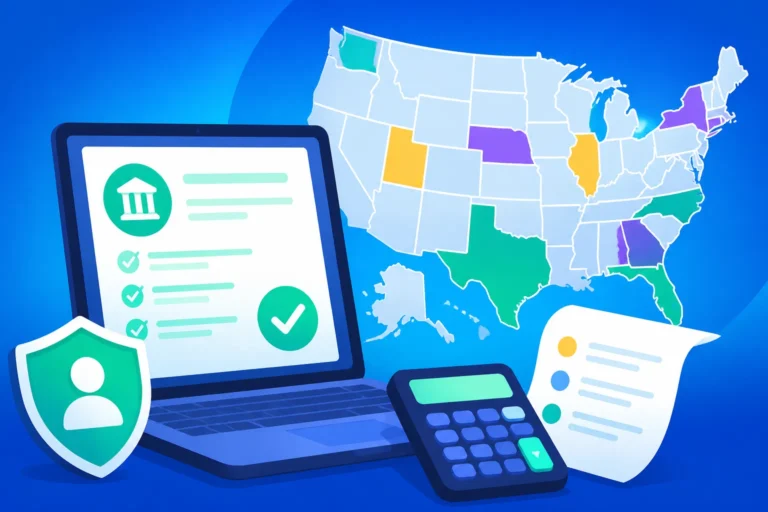
Navigating the labyrinth of state income taxes can feel like a chore, and the thought of shelling out even more money just to file your return can be downright frustrating. For many, the idea of "free tax filing" often only conjures up images of federal returns, leaving them wondering if there are truly no-cost options available for their state taxes. This comprehensive guide is here to demystify the world of state-specific free file programs, showing you how to potentially save those precious dollars and file your state return without opening your wallet.
Understanding Free State Tax Filing Options
When tax season rolls around, the whispers of "free tax filing" often start circulating. But what does that really mean for your state return? It's a question many folks ponder, especially after successfully using a free federal option, only to be hit with a fee for their state filing. Let's unpack the reality of these programs and what truly constitutes "free."
The Cost of Filing State Taxes and Why It's a Pain
Let's be honest, nobody enjoys paying taxes, but the process of filing them can add insult to injury, particularly when you're faced with fees just to submit your paperwork. You've spent hours gathering W-2s, 1099s, and all sorts of receipts, calculated your deductions, and finally landed on a number – then, suddenly, your software or tax preparer asks for another $20, $40, or even more for the state portion. It feels like an unnecessary surcharge, doesn't it?
The reason for these costs often boils down to complexity. Each state has its own unique set of rules, forms, and filing requirements. Unlike the relatively standardized federal system, states can have vastly different tax brackets, deductions, credits, and even entire filing methodologies. Some states have progressive income tax rates, others have a flat tax, and a few have no income tax at all. Commercial software providers, therefore, have to invest significant resources to program and maintain these varied state-specific forms and calculations, which is why they often pass that cost onto you. For many people, this extra fee is a genuine pain point, especially when they're already on a tight budget or just expecting a simple refund. It's a common frustration to get to the end of the process, only to realize that "free" only got you halfway there.
What Qualifies as "Free" in State Tax Filing?
The term "free" in tax filing can be a bit of a moving target, much like trying to nail down all the nuances of your State Income Tax Rates 2026: All 50 States Ranked. Generally, when we talk about free state tax filing, we're referring to services that allow you to prepare and e-file your state income tax return without paying any fees to the software provider or the state itself. This can manifest in a few different ways:
- Direct State-Sponsored Programs: Some states, recognizing the burden of filing fees, offer their own direct free filing portals. These are typically managed by the state's department of revenue and are designed to make filing as straightforward as possible for eligible residents. These are truly "free" as they are funded by the state government and designed for residents.
- IRS Free File Program Partners: The IRS Free File program, a partnership between the IRS and various tax software companies, primarily focuses on federal returns. However, many participating providers will also offer free state tax filing if you qualify for their federal free file offering based on income thresholds. This is where it gets a little tricky, as the "free" state component is tied to your eligibility for a specific commercial partner's federal free offering.
- Basic Commercial Software Tiers: Occasionally, commercial tax software companies will offer a very basic "free" tier that includes both federal and state filing for the simplest tax situations, often for those with very low income or straightforward W-2 income only. Once your tax situation involves anything more complex – like itemized deductions, capital gains, or self-employment income – you'll usually be prompted to upgrade to a paid version.
It's crucial to distinguish between these categories because eligibility, what's included, and the overall experience can vary wildly. Understanding these distinctions is the first step in finding the genuinely free option that suits your specific tax situation.
Diving Deep into State-Specific Free File Programs
While the federal IRS Free File program is well-known, many states have stepped up to offer their own direct-to-consumer free filing initiatives. These programs are often a godsend for residents who meet certain criteria, providing a straightforward way to submit their state returns without the typical fees.
CalFile and California's Offerings
California, known for its dynamic economy and substantial population, also offers a robust option for free state tax filing through its CalFile program. CalFile is specifically designed by the California Franchise Tax Board (FTB) to allow eligible taxpayers to electronically prepare and file their state income tax returns directly with the state, absolutely free of charge. This is a truly state-centric solution, not relying on a partnership with a commercial tax software company for the actual filing process.
The primary benefit of CalFile is its simplicity and directness. It eliminates the middleman, allowing Californians to interact directly with the FTB's system. Eligibility for CalFile usually depends on a few factors, primarily income level and the complexity of your return. Generally, it's geared towards taxpayers with relatively straightforward returns, such as those with W-2 income, simple interest, and perhaps standard deductions. If you have a more intricate tax situation, like extensive business income, certain rental property deductions, or complex investment transactions, CalFile might not support all the necessary forms, requiring you to explore other options. However, for a significant portion of California residents, CalFile is an excellent, no-cost alternative to paid software. This program is often updated, so it’s always a good idea to check the FTB website for the most current eligibility rules and supported forms each tax season. For anyone looking for California State Income Tax Calculator Guide, this can be a great starting point if your situation is simple enough.
New York's Direct File and Other Initiatives
New York State has also been at the forefront of providing accessible tax filing options. In recent years, the state has piloted and expanded its own direct filing system, specifically designed to give New Yorkers a free, simple way to file their state income taxes. This "New York Direct File" system is a prime example of a state taking direct ownership of the filing process, separate from federal initiatives or commercial software.
The goal of New York's direct file system is to reduce the burden of filing fees and simplify the process for residents, much like how some envision future direct federal filing. Eligibility for the New York Direct File program typically includes income limitations and certain types of income and deductions. It’s often tailored for taxpayers with W-2 income, unemployment compensation, and standard deductions, making it a viable option for many middle and low-income individuals. The state continually refines and expands its capabilities, aiming to include more complex tax scenarios over time. Beyond its direct file program, New York also participates in the IRS Free File program, meaning that some commercial tax software providers partnered with the IRS may offer free state filing for New Yorkers who meet specific income and eligibility criteria set by those individual companies. This dual approach provides New York residents with several pathways to file their state taxes for free, whether directly through the state or via a commercial partner. Understanding the New York Income Tax Brackets 2026 can help you assess if you might qualify for these free services.
Other Key State-Specific Free Filing Programs
While California and New York are prominent examples, several other states offer their own direct or partnership-based free filing programs. These initiatives are often aimed at making tax compliance easier and more affordable for their residents. It’s important to remember that each state's program will have its own unique set of rules, income thresholds, and supported forms.
- Virginia Free File Alliance: Virginia's Department of Taxation partners with commercial software vendors to offer free electronic filing options for eligible taxpayers. While not a direct state portal like CalFile, it's a curated list of approved vendors that provide free services if you meet their specific criteria, usually based on Adjusted Gross Income (AGI).
- Massachusetts MassTaxConnect: Massachusetts provides MassTaxConnect, a robust online portal that allows taxpayers to file various state taxes, including individual income tax. While it serves many purposes, it also functions as a free e-filing platform for individual residents, particularly for simpler returns. The state actively encourages residents to use this platform to simplify filing.
- Other State Initiatives: Many states participate in the broader IRS Free File program as well, meaning you might find free state filing through a commercial provider if you qualify for federal free filing. For instance, states like Michigan, Ohio, and Georgia often have programs or partnerships that extend free filing options to their residents. To check if your state offers something similar, your best bet is to visit your state's Department of Revenue or Taxation website. They will usually have a clear section detailing free filing options, including links to approved vendors or direct state portals. Always verify the eligibility requirements for any program, as these can change annually. Finding out if you need to file a Nonresident State Tax Return Guide might also be key if you've recently moved or work across state lines.
Here's a quick look at some key state-specific free file program types and their typical characteristics:
| Program Type | Example State(s) | Key Features | Typical Eligibility | What to Look For |
|---|---|---|---|---|
| Direct State Portal | California (CalFile), New York (Direct File) | State-run, no commercial intermediary, direct submission to state. | Varies by state; often income-based, simpler returns (W-2, standard deduction). | Specific income limits, supported forms list. |
| State Free File Alliance | Virginia | State partners with commercial software providers for free options. | Income-based, determined by individual software partner's criteria. | List of approved vendors on state tax website. |
| IRS Free File Linkage | Many states (e.g., Michigan, Ohio, Georgia) | Free federal through IRS Free File program often includes free state. | AGI under a certain threshold (e.g., $79,000 in 2024 for 2023 taxes). | Check participating software providers' offers for state. |
| Commercial Basic Free Tier | Various (e.g., TurboTax, H&R Block) | Basic federal + state for very simple returns (sometimes for a fee). | Very simple tax situations, often W-2 income only. | Hidden fees for state or complex situations. |
This table provides a general overview, but it’s always vital to confirm the specific details for your state and your tax situation each year.
Leveraging IRS Free File for State Returns
The IRS Free File program is a well-established resource for federal tax filing, primarily targeted at taxpayers below a certain income threshold. What many people don't realize is that this federal program can often be a gateway to free state tax filing as well, thanks to the participating software providers.
How IRS Free File Works for State Taxes
The IRS Free File program itself doesn't directly offer a state tax filing service. Instead, it's a partnership between the Internal Revenue Service and a consortium of leading tax software companies. When you visit the IRS Free File website, you're presented with a list of these partners. Each partner company sets its own eligibility criteria, typically based on your Adjusted Gross Income (AGI), age, or military status. If you qualify for a specific provider's free federal filing through the IRS Free File program, that same provider will often extend a free state tax filing option.
This means you're not getting a separate state tax service from the IRS, but rather benefiting from the bundled offering of a commercial software company that has agreed to provide these services under the Free File Alliance. For instance, if you use a platform like TaxAct or TaxSlayer through the IRS Free File program and meet their specific income requirements for federal filing, they might also include your state return at no additional cost. This can be a huge relief, especially if you're trying to keep your tax preparation costs to a minimum. It’s like getting a two-for-one deal when you least expect it! Just remember, the eligibility for the state portion is usually tied to the federal Free File eligibility for that specific provider.
Limitations and Eligibility for State-Linked Free File
While the prospect of free state filing through IRS Free File partners sounds fantastic, there are crucial limitations and eligibility criteria to be aware of. First and foremost, the core requirement is meeting the AGI threshold for the IRS Free File program itself. For the 2023 tax year (filed in 2024), this threshold was generally $79,000 or less for individuals and families. If your AGI is above this, you typically won't qualify for any IRS Free File partner's offerings, federal or state.
Beyond the federal AGI limit, each participating software provider has its own set of rules for offering free state filing. Some might include state returns automatically if you qualify for federal. Others might only offer it if you reside in specific states they support for free filing. Still others might have additional criteria, such as your age, whether you're active military, or the complexity of your return. For example, while platforms like TurboTax offer a popular Free Edition for federal taxes, their state filing typically incurs a fee unless specific criteria are met, which often fall outside the general IRS Free File program or are for very simple returns.
It's also important to note that not all states participate in this direct integration with every IRS Free File partner. A state may have its own direct filing solution or separate partnerships. This is why it’s essential to carefully review each provider’s offer directly through the IRS Free File website. Don't assume that if you qualify for free federal, you automatically get a free state return. Always double-check the fine print, especially if you're dealing with issues like Do I Have to File State Taxes If I Made No Money? or trying to understand Do You Pay City Income Tax in New York?.
Commercial Software with Free State Options
Beyond state-sponsored programs and the IRS Free File alliance, commercial tax preparation software also plays a significant role in helping people file their taxes. While these platforms are primarily revenue-driven, many do offer "free" options that can, under specific circumstances, extend to state tax filing.
When Commercial Software Becomes "Free"
Commercial tax software, from big names to smaller players, often advertises "free" filing. However, this "free" often comes with asterisks, especially when it comes to state taxes. Typically, the truly free versions of these software packages are designed for the most straightforward tax situations: single filers, W-2 income only, standard deductions, and basic credits like the Earned Income Tax Credit (EITC) or Child Tax Credit. If your tax situation involves anything more complex – itemized deductions, capital gains, rental property income, self-employment income, or even certain educational credits – you'll usually be prompted to upgrade to a paid version.
The good news is that for many taxpayers, particularly those with simple returns, these basic free editions can include a free state filing option. This often happens if the software company bundles it with their free federal offering as a competitive advantage. You might find that while the federal return is free, adding a state return might be free as well, or at least offered at a reduced cost compared to their premium packages. The key is to read the details carefully, right from the start. Don't wait until you've spent hours inputting all your data only to find out you have to pay. Look for clear statements about "Free Federal & Free State" for your specific tax situation. It's often the income threshold or the complexity of your return that dictates whether you qualify for the "free" state portion.
Popular Platforms and Their Free State Filing Criteria
Several popular commercial tax software platforms vie for your business each tax season. Companies like TurboTax, H&R Block, and TaxAct are household names, and each has its own approach to "free" state tax filing.
- TurboTax: TurboTax is arguably one of the most widely recognized tax software brands. Their "Free Edition" typically covers simple federal tax returns, primarily for those with W-2 income and claiming the standard deduction. For many users, however, adding a state return usually incurs a separate fee. There are exceptions, though. For instance, if you qualify for the IRS Free File program and access TurboTax through that portal, your state filing might be included for free. Additionally, some specific promotional offers or military programs might waive the state fee. It's crucial to ensure you're using the right entry point (e.g., the IRS Free File website) and meeting specific criteria to avoid unexpected charges with TurboTax.
- H&R Block: Similar to TurboTax, H&R Block offers a "Free Online" product for simple federal returns. Their free version also often includes one free state return for very basic tax situations. Like other providers, if your return is more complex, you'll need to upgrade. H&R Block also participates in the IRS Free File program, which can be another route to free state filing if you qualify through that channel.
- TaxAct & TaxSlayer: These platforms are often touted as more budget-friendly alternatives. Their basic free versions frequently include both federal and one state return for simple tax scenarios. They are also active participants in the IRS Free File program, making them strong contenders if you're looking for a truly free federal and state experience and meet the income requirements.
The best advice when considering any commercial software for free state filing is to always check their current year's offerings and eligibility rules on their official websites. These can change annually, so don't rely on information from previous tax seasons. Look for clear language about "Free Federal AND Free State" and review the types of forms and tax situations supported by their free tier. Sometimes, even if the state filing isn't entirely free, it might be offered at a significantly reduced price compared to their higher-tier products, which could still be a good deal for some. Also, remember that if you move mid-year, you might be looking at How to File a Part-Year Resident Return, which might complicate "free" offerings.
Navigating Eligibility and Avoiding Pitfalls
Successfully utilizing free state tax filing programs isn't just about finding them; it's about understanding the nuances of eligibility and being acutely aware of potential pitfalls. Misinterpreting the rules can lead to unexpected fees or, worse, incorrect tax filings.
Income Thresholds and Residency Requirements
The two biggest gatekeepers for most free state tax filing programs are your income level and your residency status.
- Income Thresholds: Almost every free filing program, whether state-specific or linked to the IRS Free File, imposes an Adjusted Gross Income (AGI) limit. For instance, the general IRS Free File program typically applies to taxpayers with an AGI below a certain amount (e.g., $79,000 for the 2023 tax year). State-specific programs, like CalFile or New York's Direct File, will also have their own AGI cutoffs, which can sometimes be higher or lower than the federal one, or tied to other factors like the state's median income. It's absolutely crucial to check the specific income thresholds for the program you're interested in each year, as these figures can fluctuate. Falling even a dollar over the limit can disqualify you, meaning you’ll have to pay or find another option. Always have your AGI handy before attempting to use a free program. This is also important to consider when thinking about something like What Is My State Tax Rate If I Make $100,000?.
- Residency Requirements: Your residency status is another major determinant. Free state filing programs are, by nature, state-specific. You typically need to be a resident of that state to use its direct free file program. This means if you're a full-year resident, part-year resident, or even a nonresident earning income in that state, the rules might differ. For example, some direct state portals are specifically for full-year residents with simple returns. If you're a part-year resident who moved from, say, New York to Florida mid-year, you might have to file part-year returns in both states, and a "free" option might only cover one type of return or one state. Understanding the differences between Domicile vs Statutory Residency is critical here, as states use these definitions to determine your tax obligations. Always verify if the free program accommodates your specific residency status before you begin.
Common Mistakes to Avoid When Using Free File Programs
While free file programs offer a fantastic opportunity to save money, they come with their own set of potential traps. Avoiding these common mistakes can save you a lot of headaches, frustration, and even penalties down the line.
- Not Checking Eligibility Thoroughly: This is hands-down the most common error. People assume "free" applies to them without verifying the income limits, age requirements, or specific types of forms supported. Always read the fine print on the program's website before you start. Don't just click "Free File" and assume you're good to go.
- Confusing Federal Free File with State Free File: As discussed, the IRS Free File program doesn't directly offer state filing. It's through partner software. Many taxpayers mistakenly think that if they qualify for federal Free File, their state return will automatically be free, only to discover a state fee at the end. Always confirm the state filing is included by the specific software provider you choose through the IRS Free File portal.
- Using the Wrong Entrance: If you want free state filing through an IRS Free File partner, you must access that partner's software through the official IRS Free File website. If you go directly to the commercial software's website (e.g., TurboTax.com), you might not get the same free offerings, even if you meet the income requirements. You could end up paying for something that would have been free otherwise.
- Overlooking State-Specific Direct Programs: Many people are so focused on the IRS Free File program that they miss out on excellent direct state-sponsored programs like CalFile or New York's Direct File. These can often be simpler and more genuinely "free" for eligible residents. Always check your state's Department of Revenue website first.
- Assuming "Simple" Means "All Simple": A program might say it's for "simple returns," but your definition of simple might differ from the tax software's. Having a W-2 is simple, but if you also have freelance income (1099-NEC), substantial investment income, or a complex array of deductions, it might push you into a paid tier. Be brutally honest about the complexity of your tax situation.
- Failing to Print or Save Copies: Just because you filed for free doesn't mean you shouldn't keep meticulous records. Always print or save PDF copies of your final federal and state returns, along with any confirmation numbers. This is critical for future reference, audits, or if you need to file an How to File an Amended State Return.
- Not Tracking Your Refund: Once you've filed, you'll want to know Where's My State Refund? Check by State. Don't forget to use the state's refund tracking tools, just as you would for your federal refund.
By being diligent and informed, you can effectively leverage free state tax filing programs and avoid the common pitfalls that trip up many taxpayers each year.
Disclaimer
Please remember that tax laws and programs, especially those related to free filing options, are subject to change annually. The information provided in this guide is for general informational purposes only and does not constitute financial, tax, or legal advice. Always consult with a qualified tax professional or refer to your specific state's Department of Revenue or Franchise Tax Board for the most current and accurate information pertaining to your individual tax situation.