Nebraska Income Tax Rate 2026
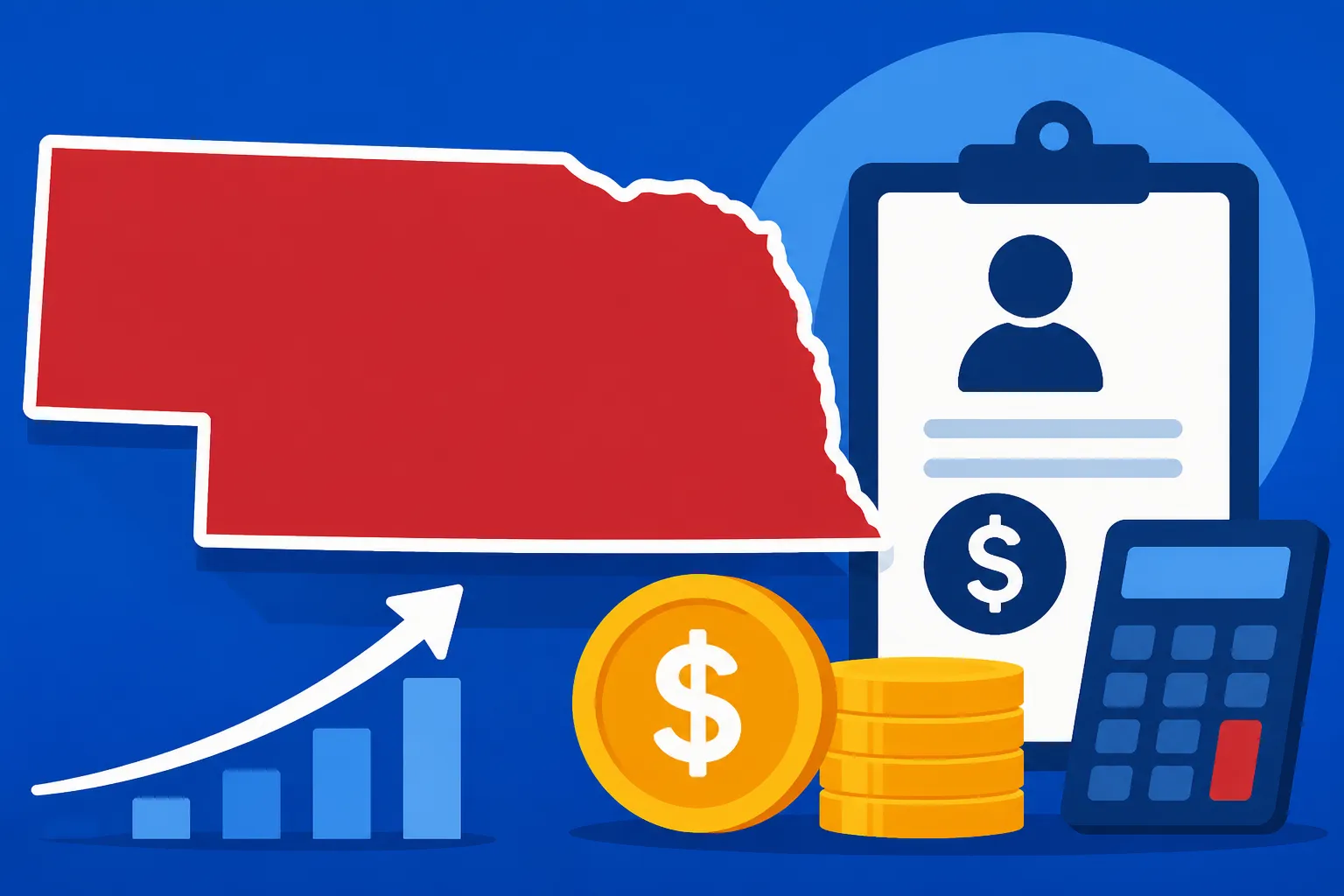
Trying to keep up with state tax laws feels like a full-time job you never applied for. It is incredibly frustrating to plan your household budget only to realize the goalposts have moved again. This guide digs deep into the Nebraska Income Tax Rate 2026, explaining the massive legislative shifts, updated brackets, and specific credits that help you keep more of your paycheck.
The Massive Transformation of Nebraska Income Tax in 2026
If you feel like Nebraska’s tax landscape is in a state of constant flux, you aren't imagining it. For years, Nebraska was often criticized for having a top income tax rate that sat significantly higher than many of its Midwestern neighbors. However, the state legislature has been on an aggressive path to change that narrative. As we head into 2026, we are seeing the results of several years of phased-in tax cuts designed to make the Cornhusker State more competitive for both families and businesses.
The core of this change stems from Legislative Bill 754, which was signed into law with the intent of gradually lowering the top individual income tax rate. By the time we reach the 2026 tax year, the top rate is scheduled to drop to 4.55%. This is a far cry from the nearly 7% rates residents were paying just a few years ago. This shift is part of a larger trend of State Income Tax Cuts & Changes for 2026 that are sweeping across the country as states compete for remote workers and aging retirees.
What makes the 2026 landscape unique is that Nebraska is not just cutting the top rate; it is actively restructuring how brackets work. The goal for many lawmakers in Lincoln is to eventually move toward a flat tax system, though for 2026, the state still maintains a progressive structure. This means that your "marginal" rate—the tax you pay on your last dollar earned—is likely decreasing, but your "effective" rate will depend on how your total income is distributed across the remaining brackets. Understanding How State Tax Brackets Work: Marginal vs Effective is essential to seeing the real-world impact on your bank account.
Nebraska Income Tax Brackets for the 2026 Tax Year
For the 2026 tax year, the Nebraska Department of Revenue continues to use a four-bracket system, but the percentages have been compressed. This "compression" means the gap between what the highest earners and middle-class families pay is narrowing. It is a significant move that places Nebraska among the States Phasing Out Income Tax or at least aggressively reducing its burden on the individual.
The brackets are indexed for inflation annually, so while the percentages are set by law, the specific income thresholds might shift slightly by the time you file in early 2027. Below is the projected breakdown for 2026 based on the current legislative schedule for a single filer. If you are married filing jointly, these income thresholds typically double.
| Taxable Income Range (Single Filer) | 2026 Tax Rate |
|---|---|
| $0 – $3,960 | 2.46% |
| $3,961 – $22,480 | 3.51% |
| $22,481 – $35,730 | 4.30% |
| $35,731 and over | 4.55% |
Using a tool like the SmartAsset income tax calculator can help you visualize these numbers in the context of your specific salary. When you look at these rates, it is clear that the legislature is targeting the $35,000+ range for the most significant relief. In previous years, hitting that $35k mark meant jumping into a much higher percentage bracket. In 2026, the "jump" is much more manageable.
Understanding the Nebraska Standard Deduction and Exemptions
Calculating your tax isn't as simple as multiplying your salary by 4.55%. Nebraska starts with your Federal Adjusted Gross Income (AGI) and then makes specific "Nebraska-only" adjustments. One of the biggest factors in lowering your bill is the Nebraska standard deduction. Unlike some states that have a very low flat deduction, Nebraska generally aligns its deduction amounts with federal levels, though they are not always an exact match.
For 2026, the projected standard deduction will continue to be indexed for inflation. According to the State-by-State Standard Deductions 2026 data, Nebraska remains relatively generous compared to states like Missouri or Iowa. For a single filer in 2026, you can expect a standard deduction in the neighborhood of $8,500 to $9,000, while married couples filing jointly will likely see something closer to $17,000 to $18,000.
Furthermore, Nebraska allows for personal exemptions, though these have been a point of contention in recent legislative sessions. The "personal exemption credit" acts as a direct dollar-for-dollar reduction of the tax you owe. For many middle-income families, these credits, combined with the standard deduction, mean that a significant portion of their initial income isn't taxed by the state at all. If you are trying to decide Is It Cheaper to Live in a State With No Income Tax? versus a state like Nebraska with high property taxes but dropping income taxes, these deductions are a vital part of the math.
The Nebraska Property Tax Credit: A Game Changer
You cannot talk about Nebraska income taxes without talking about property taxes. It is the number one complaint of residents from Scottsbluff to Omaha. To address this, the state created a unique "Income Tax Credit for Real Property Taxes Paid." This isn't a deduction; it’s a credit, which is much more valuable.
Essentially, Nebraska allows you to claim a credit on your income tax return for a portion of the property taxes you paid to your local school district and community college. In 2026, this credit is expected to remain a centerpiece of the state's tax relief strategy. Many residents leave money on the table every year because they don't realize they have to specifically claim this on their Nebraska return.
If you own a home in Douglas or Lancaster County, where property values have skyrocketed, this credit can sometimes wipe out your entire state income tax liability. SmartAsset often points out that while Nebraska’s property tax rates are among the highest in the nation, these refundable income tax credits are the state's primary way of "refunding" that money back to residents. It is a roundabout way of providing relief, but for those who know how to file for it, the savings are substantial.
Retirement Income and Social Security in 2026
For seniors and those planning for their golden years, the news in Nebraska has been overwhelmingly positive. For a long time, Nebraska was one of the few states that taxed Social Security benefits, leading to an exodus of retirees to more "tax-friendly" states. That has officially changed.
As of the 2024 tax year, Nebraska fully phased out the taxation of Social Security benefits. This means that for your 2026 taxes, 100% of your Social Security income is exempt from Nebraska state income tax. This puts Nebraska on the list of States That Don't Tax Social Security (2027). If you are comparing your options, you should look at Does Nebraska Tax Social Security? to see the full historical context of this hard-won victory for seniors.
However, it’s not all "tax-free" for retirees. While Social Security is safe, other forms of retirement income like 401(k) withdrawals and private pensions are still generally subject to the Nebraska income tax rates mentioned above. Nebraska does not currently offer a broad exclusion for all retirement income, unlike some States That Don't Tax 401(k) & IRA Withdrawals. If you have a significant pension, you will still be paying that top 4.55% rate on the portions of your income that exceed the state’s thresholds. For a comprehensive look at how this compares nationally, refer to How Each State Taxes Retirement Income (50-State Guide).
Military Retirees and Special Exclusions
Nebraska has made a concerted effort to become a "military-friendly" state. This is particularly important given the presence of Offutt Air Force Base. Under current law, military retirement pay is completely exempt from Nebraska state income tax. This is a massive incentive for veterans to stay in the state after their service concludes.
When combined with the Social Security exemption, a retired veteran living in Bellevue or Papillion might find their state tax burden is significantly lower than a working professional earning the same amount. This is a crucial distinction to make when using tools like the SmartAsset retirement tax calculator. The state is essentially saying that it values the "human capital" of retirees and is willing to forgo income tax revenue to keep them in the local economy.
Filing Your 2026 Nebraska Tax Return
The deadline for filing your 2026 Nebraska income tax return will be April 15, 2027 (unless that date falls on a weekend or holiday). Nebraska encourages electronic filing, and the Department of Revenue has made strides in streamlining its "NebFile" system.
If you find yourself wondering Where's My Nebraska Tax Refund? after you file, the state typically processes electronic returns within a few weeks, though paper returns can take months. The 2026 tax year will also see continued emphasis on preventing identity theft, so don't be surprised if the state asks for additional verification if your filing patterns change—such as moving from a different state or suddenly claiming large property tax credits.
For those who moved to Nebraska mid-year, the rules get a bit more complex. You will likely need to file as a part-year resident, which involves apportioning your income based on the time you actually lived in the state. Nebraska is quite strict about residency audits, especially for those moving from high-tax states like California or New York, so keeping meticulous records of your "move-in" date is vital.
The Future of Nebraska’s Tax Landscape
While the 2026 rate of 4.55% is a significant win for taxpayers, it isn't the end of the road. The current legislative path aims to drop that top rate even further, reaching 3.99% by 2027. There is a strong political appetite in the state capitol to continue this downward trend, possibly even eyeing a transition to a full flat tax in the late 2020s.
For now, Nebraska residents can take solace in the fact that their tax burden is trending downward. While property taxes remain a hurdle, the combination of lower income tax brackets, the elimination of Social Security taxes, and the property tax income tax credit makes Nebraska a much more competitive place to live than it was just a decade ago.
As you plan your finances for the 2026 year, make sure you are looking at your "total tax picture." Don't just focus on the 4.55% top rate. Look at how much of your property tax you can claw back through credits, and make sure you aren't over-withholding from your paycheck. The Nebraska Department of Revenue provides withholding tables that are updated every year to reflect these new rates, so a quick check of your W-4 in early 2026 can prevent a surprise bill—or an unnecessarily large refund—at the end of the year.
Disclaimer
This guide is provided for informational purposes only and does not constitute professional tax, legal, or financial advice. Tax laws, including those in Nebraska for the 2026 tax year, are subject to legislative changes, administrative rulings, and inflation adjustments. Always consult with a qualified tax professional or the Nebraska Department of Revenue to confirm how these rates and credits apply to your specific financial situation.