Florida Tax Brackets 2026
Many people pack their bags for the Sunshine State with visions of palm trees and a much larger paycheck, only to feel a sudden wave of anxiety when they realize they do not actually understand how the state funds itself. This guide clarifies exactly how Florida handles its tax system, ensuring you understand why there are no income tax brackets and what other costs you need to prepare for instead.
The Reality of Florida State Income Tax in 2026
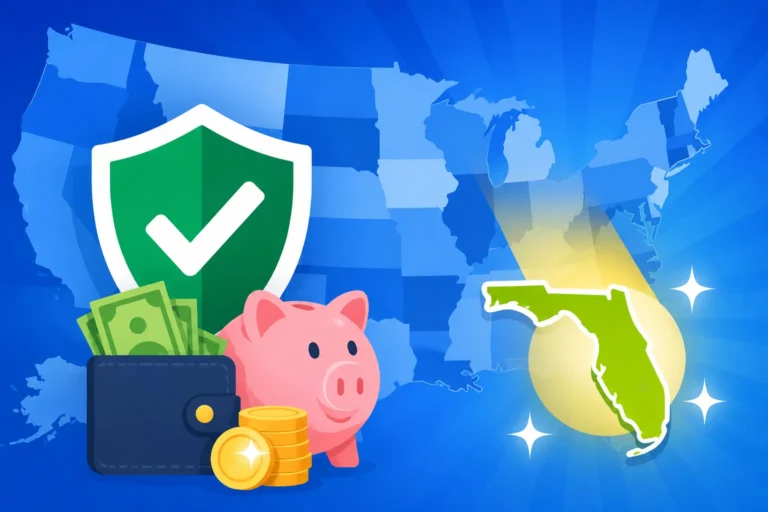
If you are looking for a chart detailing the various tax percentages based on your earnings in Florida, you can stop searching right now. Florida continues to be one of the few states in the country that does not impose a personal state income tax. This is not just a temporary policy or a lucky break for residents; it is a fundamental part of the state's fiscal identity, protected by the Florida Constitution. When you receive your paycheck from a Florida-based employer, you will notice that while federal withholdings are present, the line item for state income tax is blissfully empty.
This lack of a tax burden is a massive draw for everyone from entry-level workers to high-net-worth individuals. When you compare this to the Highest Income Tax States in 2026, the difference in take-home pay can be staggering. For someone moving from a place like California or New York, the transition feels like an immediate and significant raise. However, it is vital to understand that while there are no Florida Tax Brackets 2026, the state still needs revenue to maintain roads, schools, and emergency services. This revenue is simply collected through different avenues, primarily sales and property taxes.
You might hear neighbors or coworkers discussing their "tax savings," but the reality is that your personal financial structure matters. If you are a high earner, the savings are undeniable. If you are a high spender, you might find that the sales tax offsets some of those gains. Using tools like a SmartAsset tax calculator can help you visualize the difference between your current state and the Florida reality, but the headline remains the same: your income belongs to you, not the state capital in Tallahassee.
How Florida Compares to the National Landscape
Florida is a staple on any States With No Income Tax (2026 Full List) because it has remained committed to this model for decades. While other states are currently States Phasing Out Income Tax, Florida has already mastered the art of the consumption-based tax model. This creates a unique economic environment where the state's budget is heavily tied to the health of the tourism industry and the general spending habits of its residents.
When we look at the Lowest Income Tax States in 2026, we see a mix of states with flat taxes and those with no tax at all. Florida sits at the very bottom of that list in terms of rate, tied with peers like Texas and Nevada. The frustration often arises when people move to Florida expecting "no taxes" in a general sense, only to be surprised by the cost of living or local fees. It is a common misconception that a lack of income tax equals a low cost of life across the board. In reality, Florida residents often face higher insurance premiums and significant property tax bills that fund local infrastructure.
For those curious about the mechanics of other systems, you might want to read about How State Tax Brackets Work: Marginal vs Effective to see what you are avoiding. In a progressive system, you pay more as you earn more. In Florida, the person cleaning the beach and the person owning the beachfront mansion both pay 0% on their earned income. This simplicity is a major relief during tax season, as you generally only need to worry about your federal return.
Sales Tax and the Local Surtax System
Since the state does not take a cut of your salary, it takes a cut of your spending. The base state sales tax in Florida for 2026 remains 6%. However, you will rarely pay exactly 6% at the register. Most Florida counties exercise their right to add a "discretionary sales surtax," which can push the total rate higher. This is a point of confusion for many newcomers who see one price in Orlando and another in Miami.
The surtax is often used to fund specific local projects, such as school improvements, transportation infrastructure, or environmental conservation. Because of this, Is Florida Tax Friendly for Workers? often depends on which county you choose to call home. If you live in a high-surtax county but do most of your major shopping in a neighboring low-surtax county, you might save a bit, but for most, it is just a standard part of the cost of doing business in the state.
| County Example | State Sales Tax | Local Surtax | Total Sales Tax Rate |
|---|---|---|---|
| Miami-Dade | 6.0% | 1.0% | 7.0% |
| Orange (Orlando) | 6.0% | 0.5% | 6.5% |
| Hillsborough (Tampa) | 6.0% | 1.5% | 7.5% |
| Duval (Jacksonville) | 6.0% | 1.5% | 7.5% |
| Leon (Tallahassee) | 6.0% | 1.5% | 7.5% |
| Collier (Naples) | 6.0% | 1.0% | 7.0% |
Understanding these variations is crucial for budgeting. If you are planning a major purchase, such as a vehicle or high-end electronics, a 1% difference in sales tax can mean hundreds of dollars. Many residents use SmartAsset resources to compare the total tax burden across different Florida municipalities before deciding where to buy a home.
Property Taxes and the Homestead Exemption
For many Floridians, the property tax bill is the most significant "state" tax they pay, even though it is technically collected at the local level. Because there is no income tax, local governments rely heavily on real estate levies to fund everything from police departments to public parks. If you are moving from a state with high income tax but low property tax, the annual bill from the county tax collector might give you some serious sticker shock.
However, Florida offers a powerful shield for permanent residents known as the Homestead Exemption. This allows you to decrease the assessed value of your primary residence by up to $50,000, which can result in significant savings. Even more importantly, the "Save Our Homes" amendment caps the annual increase in the assessed value of homesteaded property at 3% or the percent change in the Consumer Price Index, whichever is lower. This prevents long-term residents from being taxed out of their homes during periods of rapid real estate appreciation.
If you are currently Moving to Florida From New York: Taxes, you need to be aware that your initial property tax assessment will be based on the current market value (your purchase price). You won't benefit from the previous owner's capped assessment. This "reset" often catches buyers off guard. It is wise to look into a Florida Tax Credits & Deductions Guide to see how you can maximize your exemptions once you establish residency. Establishing a legal domicile is a critical step in this process, and you should follow a formal checklist for How to Establish Florida Domicile to ensure the state recognizes you as a full-time resident entitled to these benefits.
Tax Considerations for Retirees in Florida
Florida has long been the "Gold Standard" for retirement, and the tax code continues to support this reputation. Beyond the lack of income tax, the state does not tax Social Security benefits, nor does it tax income from private or public pensions, 401(k) plans, or IRAs. When you combine this with the lack of an estate or inheritance tax, it becomes clear why Florida is consistently ranked as one of the Most Tax-Friendly States for Retirees 2027.
For a retiree living on a fixed income, the predictability of the Florida tax system is a massive stress-reliever. You don't have to worry about a state-level "tax cliff" if you decide to withdraw a larger-than-normal amount from your retirement accounts to fund a trip or a home renovation. In many other states, those withdrawals would be subject to marginal rates that eat away at your nest egg. In Florida, the amount you see in your brokerage account is much closer to the amount you actually get to spend.
SmartAsset often highlights Florida for its "tax-free" retirement benefits, but retirees should still be mindful of the indirect costs. While you aren't paying income tax, you are likely paying higher-than-average homeowners insurance premiums, which have become a significant financial hurdle in the state. Balancing the lack of Does Florida Have State Income Tax? against the rising costs of insurance and utilities is the key to a successful retirement budget.
Corporate Income Tax and Business Ownership
While individuals enjoy a 0% income tax rate, business owners should be aware that Florida does have a corporate income tax. In 2026, the corporate tax rate is generally around 5.5%, though there are various exemptions and credits available. For many small business owners who operate as sole proprietorships, LLCs, or S-corporations, the income "flows through" to their personal return. Because there is no personal income tax, this often results in the business income being state-tax-free as well.
This favorable climate makes Florida a hotbed for entrepreneurship. The state has actively worked to attract tech companies and financial firms by highlighting the overall low tax burden. If you are a freelancer or a remote worker, Florida is essentially a tax haven. You can earn a salary from a company based in a high-tax state and, as long as you are a legal resident of Florida and doing the work there, you generally avoid the income tax of the employer's state—unless that state has a "convenience of the employer" rule.
Those navigating the complexities of remote work should look into Do Remote Workers Pay Taxes Where the Company Is? to ensure they aren't accidentally creating a tax liability in another jurisdiction. For most, moving to Florida results in a much simpler filing process, often involving only the federal Form 1040 and no state return whatsoever.
Common Pitfalls and Misconceptions
The most common mistake people make is assuming that "no income tax" means "no tax." This can lead to poor financial planning, especially regarding the total cost of homeownership. Another pitfall is failing to officially change residency. If you maintain a home in a state like New York or Massachusetts while living in Florida for part of the year, those states may still try to claim you as a resident for tax purposes. This can lead to a "residency audit," which is a stressful and intrusive process.
To avoid this, you must demonstrate a "clear intent" to make Florida your permanent home. This involves more than just spending 183 days in the state. You should register to vote in Florida, get a Florida driver's license, register your vehicles in the state, and update your mailing address for all financial accounts. The more "ties" you have to Florida, the easier it is to defend your tax-free status. SmartAsset provides various checklists for those in the middle of a multi-state move to ensure they don't get caught in a double-taxation trap.
Lastly, be aware of States With No Income Tax but High Other Taxes. While Florida’s sales and property taxes are manageable for many, they are the primary way the state stays afloat. If you live in a high-value home and spend a large portion of your income on taxable goods, your "effective" tax rate might be higher than you expect. However, for the vast majority of residents, the trade-off is well worth it, providing a level of financial freedom that is increasingly hard to find in other parts of the country.
State Income Tax Disclaimer
This guide is for informational purposes only and does not constitute professional tax, legal, or financial advice. Tax laws, including local surtaxes and property assessment rules, are subject to change by the Florida Legislature or local county commissions. Always consult with a qualified CPA or tax professional who is familiar with Florida’s specific statutes and your personal financial situation before making significant relocation or investment decisions. Information regarding 2026 rates is based on current projections and established state constitutional mandates.