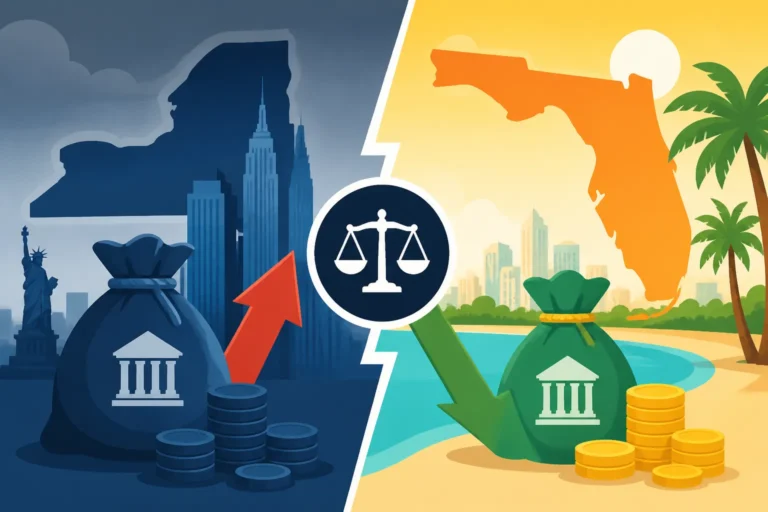
Does Florida Have State Income Tax?
It’s a question that pops up in conversations from snowy northern states to bustling city centers: "Does Florida really have no state income tax?" The appeal of the Sunshine State goes beyond its beaches and theme parks for many, often hinging on the promise of lower taxes. If you've ever felt overwhelmed trying to understand state tax laws, especially when considering a move or just planning for your financial future, you're not alone. This guide aims to cut through the confusion and give you a crystal-clear picture of Florida's tax landscape, specifically addressing how it handles income.
The Sunshine State's Approach to Income Tax
Let's get right to the heart of the matter. When people talk about Florida and taxes, the first thing that usually comes up is the state income tax, or rather, the lack thereof. This isn't just a rumor; it's a fundamental aspect of Florida's economic policy.
No State Income Tax on Wages or Salaries
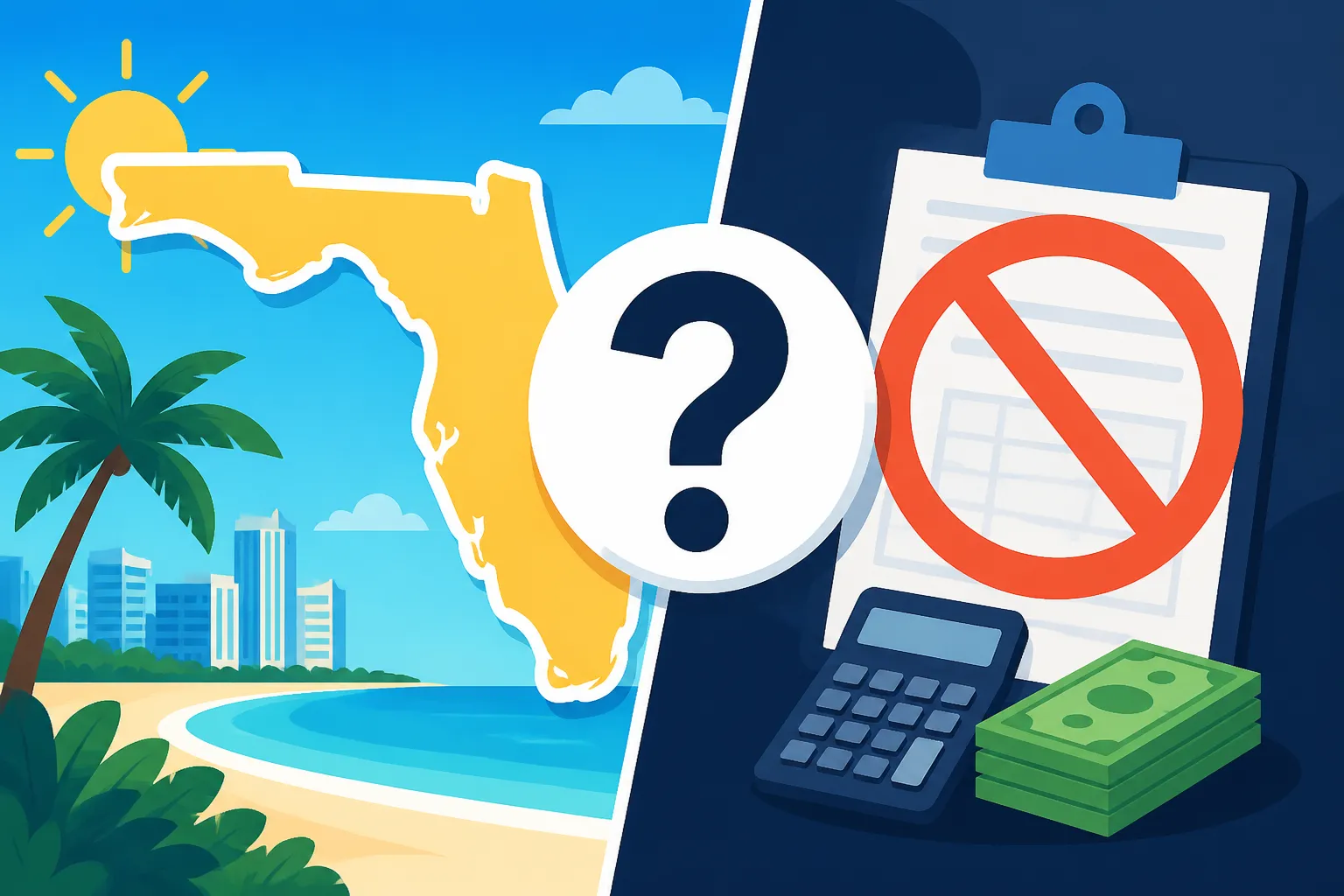
That’s right, the widely held belief is absolutely true: Florida does not impose a state income tax on wages, salaries, or most types of business income for individuals. This means that if you're working a job in Miami, running a small business in Orlando, or even just collecting a salary remotely from your home in Jacksonville, you won't see a line item on your state tax return for income tax. For many, this is a massive financial relief, particularly when comparing it to high-income tax states like California or New York.
This policy has profound implications for residents. Imagine getting your paycheck and realizing that a significant chunk of it, which would normally go to state income tax in many other places, stays right in your pocket. For a family budgeting for daily expenses, or an individual saving for a down payment on a house, this can make a tangible difference in their take-home pay. It's not just about what you earn, but what you get to keep. The state constitution of Florida actually prohibits individual income tax, making it a stable and attractive feature for those seeking tax advantages. This stability means you don't have to worry about sudden legislative changes introducing an income tax out of the blue, unlike some states which might be considering State Income Tax Cuts & Changes for 2026 or even States Phasing Out Income Tax.
How Florida Generates Revenue Without Income Tax
Now, you might be wondering, if Florida doesn't tax income, how does it manage to fund its roads, schools, public safety, and all the other essential services that a state provides? It's a fair question, and the answer lies in a combination of other significant revenue streams. Florida relies heavily on consumption taxes, like sales tax, and property taxes, alongside a range of other fees and assessments.
Think of it this way: instead of taxing what you earn, the state largely taxes what you spend and what you own. This approach shifts the tax burden in a way that can be advantageous for some, but also means that those who spend more or own more valuable property will contribute a larger share to the state's coffers. It’s a different philosophy of taxation entirely compared to states with a Progressive Income Tax States 2026 system where higher earners pay a greater percentage of their income. This unique model is part of what makes Florida one of the States With No Income Tax (2026 Full List), and understanding it is key to grasping the full picture of living and working here.
Understanding Florida's Other Significant Taxes
While the absence of a state income tax is a huge draw, it's crucial to understand that "no income tax" does not mean "no taxes at all." Florida has other taxes that contribute substantially to its revenue and impact residents' wallets. Overlooking these can lead to a rude awakening for new arrivals. Many financial planning resources, like those offered by SmartAsset, often highlight how crucial it is to look at the total tax picture, not just income tax, when evaluating a state's affordability.
Sales Tax: What You'll Pay
Florida has a statewide sales tax rate of 6%. But don't let that number fool you into thinking it's always just 6%. Most counties impose their own local sales tax on top of the state rate, which can add an extra 0.5% to 2.5% to your purchases. This means that depending on where you are in Florida, your sales tax rate could range anywhere from 6.5% to 8.5%. For instance, in Miami-Dade County, the combined sales tax rate is typically 7%, while in some other counties, it might be slightly higher or lower.
This sales tax applies to most tangible goods you purchase, from groceries (though unprepared food items are generally exempt) to clothing, electronics, and even many services. If you're someone who spends a lot on consumer goods, dining out, or tourist activities, this sales tax can really add up throughout the year. For visitors, it's a tax they pay on nearly every purchase, making them significant contributors to the state's revenue. So, while you might not pay income tax on your earnings, a good portion of your spending will be taxed. This is a common feature in States With No Income Tax but High Other Taxes, which need to make up revenue elsewhere.
Property Tax: A Major Consideration
For homeowners in Florida, property taxes are a substantial annual expense. Florida property taxes are levied at the local level by counties, municipalities, and special districts. This means the rates can vary significantly depending on where you live – from the bustling urban areas of Tampa and Orlando to the quieter communities of the Panhandle or the Gulf Coast.
Property values are assessed annually, and then a "millage rate" (tax per $1,000 of assessed value) is applied. The good news for homeowners is that Florida offers a generous homestead exemption of up to $50,000 for primary residences, which can significantly reduce the taxable value of your home. Additionally, there are caps on how much your assessed value can increase each year for homesteaded properties (the "Save Our Homes" amendment limits increases to 3% or the Consumer Price Index, whichever is lower). However, if you purchase a new home, its assessed value will reset to market value, potentially leading to a much higher tax bill than the previous owner paid. For those considering buying a home, it's critical to research the specific property tax rates for their chosen county and municipality. You can often find calculators and detailed breakdowns on sites like SmartAsset, which provide tools to estimate your potential property tax burden based on location and home value. Understanding your Homestead Exemption by State is vital.
Other Taxes and Fees
Beyond sales and property taxes, Florida also collects revenue through various other taxes and fees:
- Fuel Tax: There are state and federal taxes on gasoline and diesel, which contribute to road maintenance and transportation projects. These taxes are embedded in the price you pay at the pump.
- Intangibles Tax: While not a broad tax, Florida does have an intangibles tax on certain financial assets, though most individual investments are exempt. It's more relevant for businesses with substantial capital.
- Corporate Income Tax: Unlike individuals, corporations in Florida do pay a state corporate income tax, currently at a flat rate of 5.5% for businesses with net income over $50,000. This is an important distinction to make for business owners considering relocating.
- Specific Excise Taxes: These are taxes on specific goods or services, such as tobacco products, alcoholic beverages, and even certain insurance premiums. These taxes are often aimed at discouraging consumption or raising revenue from specific industries.
- Tourism Development Tax (Resort Tax): Many counties impose a local tax on short-term rentals, like hotel rooms and vacation rentals, which can range from 1% to 6%. This "bed tax" is a major revenue source for popular tourist destinations like Orlando and Miami, helping to fund tourism promotion and infrastructure.
When you add all these up, it becomes clear that while Florida boasts no state income tax, the overall tax burden can still be significant, especially if you're a high spender, own valuable property, or are planning to move to Florida as a business. A true comparison requires looking at the big picture, which is why resources like the Cost of Living vs Taxes by State can be incredibly helpful in understanding your potential financial obligations.
Who Benefits Most from Florida's Tax Structure?
Florida's unique tax landscape isn't a one-size-fits-all benefit; it tends to favor certain groups more than others. Understanding these demographics can help you determine if the Sunshine State is the right financial fit for your lifestyle and income.
Retirees and High-Income Earners
It's no secret that Florida has long been a magnet for retirees, and its tax policies are a huge reason why. For individuals living on fixed incomes, particularly those drawing from pensions, 401(k)s, IRAs, or Social Security, Florida is exceptionally friendly. The state does not tax Social Security benefits, nor does it tax withdrawals from retirement accounts or pension income. This means a significant portion of a retiree's income remains untouched by state taxation.
Consider a couple, John and Mary, who recently retired from New York and moved to Naples, Florida. In New York, their pension and a portion of their Social Security income would have been subject to state income tax. In Florida, however, that entire income stream is free from state income tax, allowing them to keep more of their hard-earned retirement savings. This freedom from state income tax on retirement income, combined with the often lower cost of living outside of major metro areas (though property taxes can still be high), makes Florida one of the Most Tax-Friendly States for Retirees 2027. This is also why many people moving from states like New York or California often specifically seek to How to Establish Florida Domicile to fully realize these tax benefits.
For high-income earners, the benefit is equally clear. If you're earning a substantial salary or have significant investment income (outside of specific capital gains, which aren't subject to a general state income tax either), keeping 100% of that income from state taxation is a massive advantage. Imagine the difference in take-home pay for someone earning $500,000 annually in a state with a 10% income tax versus Florida. That's $50,000 more in their pocket each year, which can be invested, saved, or spent. Financial planners often point to Florida as one of the Best States for High Earners (Tax) due to this direct benefit.
Remote Workers and Business Owners
The rise of remote work has brought Florida's tax benefits into even sharper focus. If you can work from anywhere, why not choose a state where your earnings aren't taxed? Many individuals who are employed by companies located in other states but live in Florida find themselves in a sweet spot. They avoid state income tax on their wages simply by being a Florida resident, provided their employer is set up to handle multi-state payroll or they work as an independent contractor.
However, remote workers need to be mindful of residency rules. Simply being present in Florida for a short period doesn't automatically grant you no-income-tax status. States have specific criteria to determine tax residency, and if your employer is in a state with a "convenience of the employer" rule (like New York), you might still owe taxes to that state even if you're working remotely from Florida. This is why understanding State Tax Residency Rules Explained is paramount for remote workers.
For business owners, especially those with pass-through entities like S-corps, partnerships, or sole proprietorships, Florida's lack of individual income tax is a significant advantage. The profits of these businesses generally pass through directly to the owner's personal tax return. Without a state income tax, these profits are not subjected to an additional layer of state taxation, maximizing the owner's net income. This can free up capital for reinvestment, expansion, or simply provide a higher personal income for the business owner. Therefore, if you're an entrepreneur or small business owner, Florida's tax climate can be incredibly conducive to growth and personal wealth accumulation.
Florida's Tax Climate Compared to Other States
When you look at the entire landscape of U.S. states, Florida stands out in its approach to taxation. It's often grouped with the other states that forego a broad-based income tax, but even within that group, there are nuances. Comparing Florida's tax climate isn't just about whether it has an income tax; it's about the overall impact on your wallet. SmartAsset offers various comparison tools that help individuals understand how their total tax burden might shift when moving between states.
Weighing the Pros and Cons
The primary "pro" of Florida's tax system is, without a doubt, the absence of state income tax. This means more take-home pay for workers and more net income for retirees and certain business owners. For many, this single factor outweighs other considerations. Imagine what you could do with an extra 5% or 10% of your gross income each year – pay down debt, boost your retirement savings, or simply enjoy a higher quality of life. This is the exact reason why many refer to Is Florida Tax Friendly for Workers?.
However, there are "cons" to consider. Because the state relies heavily on sales and property taxes, those who spend a lot or own high-value property might find their overall tax burden to be surprisingly high. For instance, if you're a young family renting an apartment and not owning much property, but you frequently dine out, shop, and enjoy entertainment, the cumulative sales tax could eat into your savings. Similarly, a luxurious beachfront property, while exempt from income tax, could come with a hefty annual property tax bill that rivals income tax payments in other states. It's a trade-off.
Another potential con is that essential public services, particularly in highly populated areas, are funded by these other taxes. While the state strives to provide excellent services, residents in areas with higher property values or tourism often end up contributing more to local infrastructure through these means.
The Full Tax Burden: Beyond Income
To truly understand Florida's tax friendliness, you need to look beyond the income tax headline and consider the total tax burden. This means factoring in sales taxes, property taxes, fuel taxes, and any other local fees you might incur. A valuable exercise is to use a Florida State Income Tax Calculator Guide (even though it's technically a "no income tax" calculator, it helps you understand other state taxes) and compare it against similar calculators for states with income tax.
For example, while Texas also has no state income tax, its property taxes are generally higher than Florida's. On the other hand, a state like Washington has no income tax, but it does have a capital gains tax for high earners, which Florida does not. It’s important to research how States With No Income Tax but High Other Taxes manage their revenue. The specific blend of taxes can make a huge difference depending on your individual circumstances. A high-earning, low-spending individual with modest property might find Florida incredibly tax-advantageous. Conversely, a family on a tight budget living in an expensive tourist area might find the combination of sales and property taxes to be a significant strain.
When considering a move, it's not just about "Does Florida Have State Income Tax?" It's also about: What's the typical sales tax in the county I'm considering? What are the property tax rates like for homes in my price range? How much do I spend on goods and services that are subject to sales tax? What are the implications of Does Florida Tax Retirement Income? if I am a retiree? These are the questions that will give you the most accurate picture of your potential financial life in the Sunshine State.
Here's a simplified comparison of Florida's key taxes versus a hypothetical state with an income tax:
| Tax Category | Florida (No State Income Tax) | Hypothetical State X (Progressive Income Tax) |
|---|---|---|
| Individual Income Tax | 0% (Prohibited by state constitution) | Varies by income, typically 1% to 10% (marginal rates) |
| Sales Tax (State) | 6% | 4% – 7% (can vary widely by state) |
| Local Sales Tax (Avg.) | 0.5% – 2.5% (county-dependent, avg. 1%) | Often 0% – 3% (city/county dependent) |
| Property Tax | County/local rates vary, homestead exemptions available, "Save Our Homes" cap | County/local rates vary, some exemptions, no uniform caps |
| Retirement Income | Not taxed (pensions, 401k/IRA withdrawals, Social Security) | Often taxed, though some states offer exemptions or deductions |
| Corporate Income Tax | 5.5% (for net income over $50,000) | Varies, often 2% to 10% or more |
| Estate/Inheritance Tax | None | Some states have one, but Florida does not |
This table illustrates that while Florida offers significant relief on income, it compensates for that revenue through other means. Understanding these differences is crucial for anyone evaluating the true tax burden in Florida. And remember, the Florida Tax Deadline 2026 still applies for any necessary state filings (even if it's just for property tax homestead exemptions or other specific state-level forms, not a general income tax return!).
Disclaimer
The information provided in this article is for general informational purposes only and does not constitute tax or financial advice. Tax laws are complex and subject to change. It is always recommended to consult with a qualified tax professional or financial advisor for personalized advice regarding your specific situation.