Does Texas Have State Income Tax?
Navigating the complex world of state taxes can feel like a minefield, especially when you hear blanket statements like "Texas has no income tax!" While that sounds like a dream come true, the reality is often more nuanced, leaving many people confused about their actual tax burden. This guide will cut through the noise, explaining exactly how Texas's tax system works and what it truly means for your wallet, helping you understand the full financial picture.
The Straight Answer: Does Texas Have State Income Tax?
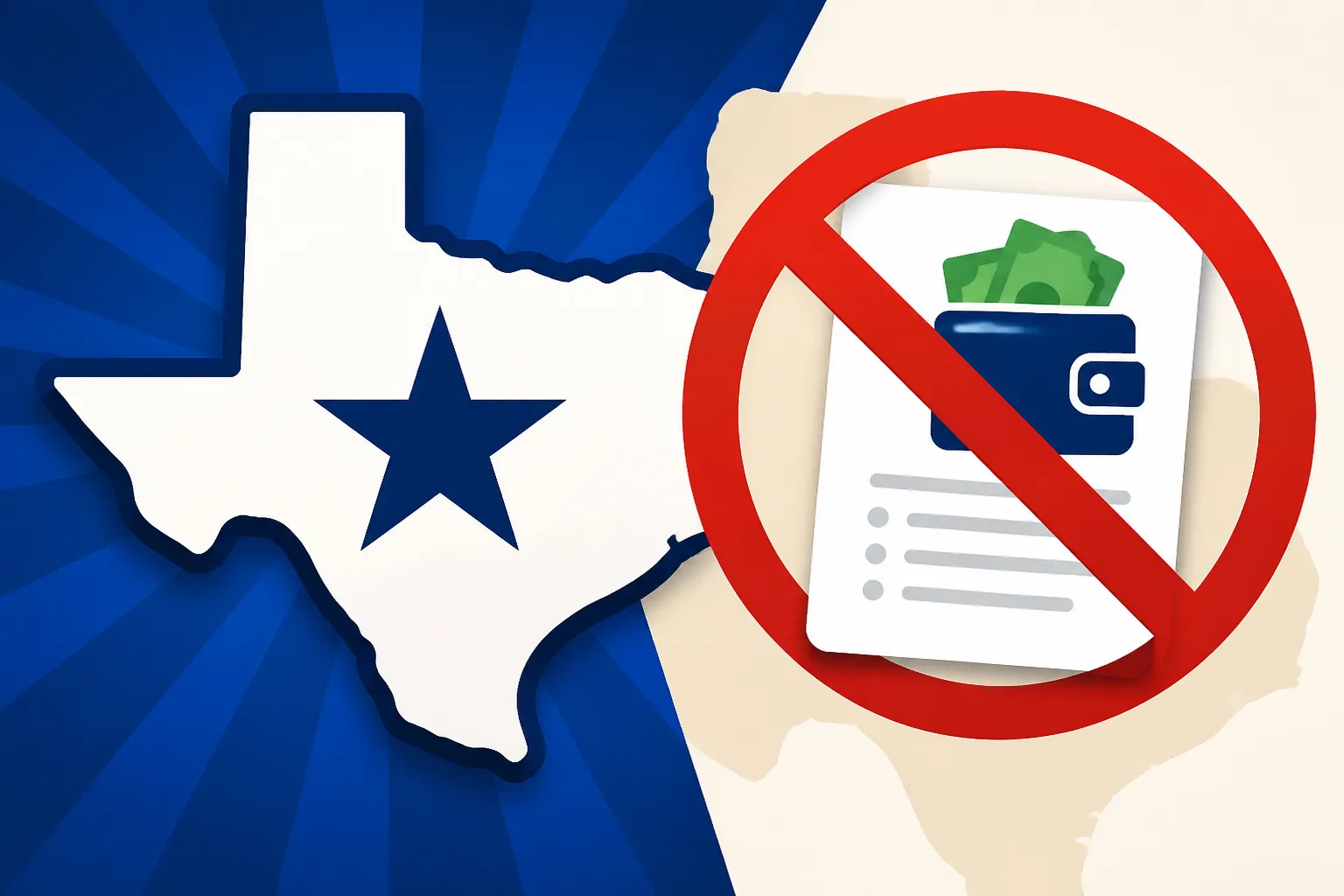
Let's get right to the point that brings many people to consider a move to the Lone Star State: Texas does not impose a state income tax on wages or salaries. This isn't a trick or a loophole; it's a fundamental aspect of the state's fiscal policy. When you receive your paycheck in Texas, you won't see a deduction for state income tax, which is a significant difference from many other states that tax your earnings at varying rates. This can be a huge relief for many individuals and families, especially those coming from high-income-tax states like California or New York, where a substantial portion of earnings can go to state coffers.
Understanding Texas's Tax Landscape
The absence of a state income tax is indeed a major draw for Texas. But it's crucial to understand that "no income tax" doesn't equate to "no taxes at all." Every state needs revenue to fund public services like schools, roads, emergency services, and infrastructure. Texas simply chooses to fund these services through other means, primarily relying on sales taxes and property taxes. This model has profound implications for how the state generates its revenue and, more importantly, how much residents ultimately pay in taxes. For instance, while you might celebrate a fatter paycheck, you might find that other aspects of your daily life or homeownership carry a different kind of tax weight. This approach to taxation is one of the reasons why Texas is often included on lists of tax-friendly states, but it's vital to look beyond just income tax. For a broader view of states without this burden, you might want to check out our comprehensive guide on States With No Income Tax (2026 Full List).
Implications for Residents and Newcomers
For those already living in Texas, the lack of state income tax means a higher take-home pay on a gross salary. This can translate into more disposable income for savings, investments, or everyday expenses. For instance, if you're making a comfortable salary, say $100,000, you're not seeing a percentage of that immediately siphoned off by the state, unlike someone earning the same in, say, Virginia or Maryland. This immediate financial benefit is often a key factor for individuals and businesses choosing to relocate to Texas. The state's economic growth over the past few decades has often been attributed, in part, to this tax advantage, attracting both corporations and skilled workers. Many people consider moving to Texas from California specifically to avoid the higher tax burdens there, as detailed in our article Moving to Texas From California: Taxes.
However, for newcomers, it's vital to adjust their financial planning and budgeting expectations. The tax burden is simply shifted, not eliminated. If you're planning on purchasing a home, you need to be prepared for some of the highest property tax rates in the nation. If you're a heavy consumer, the sales taxes on goods and services will add up. It’s a different game, and understanding where the money comes from and goes is key to truly enjoying the financial benefits of living in a no-income-tax state.
How Texas Funds Itself Without an Income Tax
Since Texas doesn't rely on taxing individual incomes, it must generate substantial revenue from other sources to operate. The two primary pillars of Texas's revenue structure are property taxes and sales taxes. These aren't just minor contributions; they form the backbone of the state's budget, funding everything from local schools to state highway projects. Understanding these mechanisms is key to grasping the true cost of living and doing business in Texas.
The Role of Property Taxes
Texas property taxes are levied by local taxing units, not by the state directly. These units include counties, cities, school districts, and special districts like hospital or utility districts. Each of these entities can set its own tax rate, which means that the property tax rate can vary dramatically even within neighboring communities. This decentralized system often results in higher overall property tax rates compared to many states that also collect income tax. For example, if you own a home in Harris County (Houston area) or Travis County (Austin area), you might see rates ranging from 1.5% to over 3% of your home's appraised value, depending on the specific combination of taxing units.
This reliance on property taxes means that homeowners often bear a significant portion of the tax burden. For a family purchasing a home, it's not just the mortgage payment to consider, but also the annual property tax bill, which can easily run into thousands of dollars. The impact on homeowners can be substantial, and these taxes are typically collected by local appraisal districts, like the Travis Central Appraisal District or the Dallas Central Appraisal District, which assess property values annually. It's a system designed to ensure local services are well-funded, but it certainly keeps homeowners on their toes, especially as property values fluctuate. To get a sense of how these rates compare, you might find our article on Highest vs Lowest Property Tax Rates by State insightful.
Sales Taxes and Other Revenue Streams
Beyond property taxes, sales tax is another major revenue generator for Texas. The state sales tax rate is currently 6.25%. However, local jurisdictions – cities, counties, and special purpose districts – can add their own sales taxes, often up to an additional 2%. This means that in many parts of Texas, you'll be paying an 8.25% sales tax on most purchases. For instance, if you're buying a new appliance for your kitchen in Dallas or doing your weekly grocery run (though most unprepared foods are exempt) in San Antonio, that 8.25% adds up quickly. This percentage is applied to nearly all retail sales of tangible personal property and certain services.
In addition to sales and property taxes, Texas also collects revenue from a variety of other sources. These include fuel taxes (on gasoline and diesel), excise taxes on products like tobacco and alcohol, and significant severance taxes on oil and natural gas production. Given Texas's rich natural resources, these severance taxes can fluctuate with commodity prices but consistently contribute billions to the state's coffers. Businesses also pay a franchise tax, sometimes referred to as a "margins tax," on their taxable margin, which is essentially their gross receipts minus certain deductions. So, while individuals don't pay an income tax, businesses do contribute to the state's revenue through this mechanism. These diverse revenue streams are what allow the state to fund its extensive operations without dipping into individual income.
Comparing Texas's Tax Burden to Other States
When you hear "no state income tax," it's natural to assume Texas is automatically the most tax-friendly place to live. However, the reality is more intricate. The overall tax burden isn't just about income tax; it encompasses property taxes, sales taxes, and other levies. A truly comprehensive comparison requires looking at all these pieces together.
The Trade-offs of No Income Tax
Living in a state without income tax certainly puts more money in your immediate paycheck. But as we've discussed, Texas makes up for this by having higher property and sales taxes. This creates a different kind of financial landscape, where the total tax burden can sometimes surprise those who only focus on income tax. For example, a high-earner living in a modest home might find Texas incredibly tax-friendly. Their large income avoids state taxation, and their property tax, while higher than average, might still be manageable given their overall earnings. However, a retiree living in a large, valuable home on a fixed income might find the high property taxes to be a significant strain, even if they aren't paying income tax. This illustrates how the impact of a state's tax structure can be highly personal and depend heavily on individual circumstances and spending habits. Understanding these trade-offs is crucial for anyone considering a move or evaluating their current financial situation. It's not just about what's missing, but what replaces it. You can explore these nuances further by looking into the Cost of Living vs Taxes by State.
Real-World Scenarios and Total Tax Picture
Let's consider a hypothetical scenario: a young family making $120,000 annually, with two kids, looking to buy a $400,000 home.
-
Scenario A: Texas
- No state income tax on the $120,000 salary.
- Property taxes on a $400,000 home might be around $8,000-$12,000 annually (2-3% rate).
- Sales tax of 8.25% on most consumer goods.
- Total tax burden heavily weighted towards property and consumption.
-
Scenario B: A State like New Jersey
- State income tax, potentially around 5-6% for that income bracket, or $6,000-$7,200 annually.
- Property taxes on a $400,000 home might also be high, possibly $7,000-$10,000 (around 1.75-2.5% rate), depending on the municipality.
- Sales tax of 6.625%.
- Total tax burden includes a significant income tax component, along with substantial property and sales taxes.
As you can see, the specific numbers can shift, and what seems like an advantage in one area might be offset in another. This is where tools from financial platforms like SmartAsset can be incredibly helpful. Their tax calculators and comparative analyses can provide a personalized estimate of your total tax burden, taking into account income, property value, and spending habits across different states. They often present data in a way that helps you visualize the true cost, not just the easily overlooked aspects. This comprehensive approach is essential for anyone trying to figure out if Texas is truly "tax-free" for their personal situation. Another helpful resource to contextualize this is our guide on the State Tax Burden by State 2026.
Here's a simplified comparison of general tax types in Texas versus a hypothetical "average" income tax state:
| Tax Type | Texas (No State Income Tax) | Average Income Tax State |
|---|---|---|
| State Income Tax | 0% (None) | Varies, typically 1% – 10% (Progressive or Flat) |
| Local Income Tax | 0% (None) | Common in some states (e.g., Ohio, Pennsylvania, Maryland) |
| State Sales Tax | 6.25% (plus up to 2% local, often 8.25% total) | Varies, typically 4% – 7.25% (plus local taxes) |
| Property Taxes | Among the highest in the nation (often 1.5% – 3% or more) | Varies significantly, often lower than Texas, but still a major factor |
| Retirement Income | Not taxed at the state level | Varies, some states fully exempt, others tax partially or fully |
| Inheritance/Estate | No state inheritance or estate tax | A few states impose these |
This table highlights that while Texas eliminates one major tax category, it often compensates by having higher rates in other areas, making a holistic view paramount.
Planning Your Finances in a No-Income-Tax State
Moving to or living in a state like Texas, which foregoes an income tax, requires a slightly different approach to financial planning. You can't just assume all your tax worries are gone. Instead, it's about shifting your focus and understanding where your money will actually be going. Proactive planning can ensure you truly benefit from the state's tax structure rather than being caught off guard.
Budgeting for Property and Sales Taxes
Since property taxes and sales taxes are the heavy hitters in Texas, budgeting for them becomes paramount. For homeowners, this means understanding that your mortgage payment often includes an escrow for property taxes, but that amount can change annually with property value assessments and rate adjustments. It's wise to set aside extra funds or monitor your escrow account to avoid a surprise shortfall. If you're looking at specific properties, research the tax rates for that particular county, city, and school district, as these can vary dramatically even a few miles apart. Websites like the appraisal district sites for specific counties (e.g., Travis CAD, Dallas CAD, Bexar CAD) offer detailed property tax information.
For sales taxes, while individual purchases might not feel like much, they add up quickly over a year. Consider how much you spend on taxable goods and services. A family that regularly buys new electronics, furniture, or eats out frequently might see their sales tax burden become quite significant. Factoring in an 8.25% increase on a substantial portion of your discretionary spending is a good budgeting practice. One way to estimate this is to track your spending for a month and calculate the sales tax on taxable items. This can give you a realistic picture of this often-overlooked expense.
Understanding Local Tax Variations
Texas is a vast state, and its local tax structures are not uniform. While the state sales tax is consistent, property tax rates are determined at the local level by various taxing entities such as county governments, municipalities, independent school districts, and special utility or hospital districts. This means that a home with the exact same appraised value could have a significantly different property tax bill depending on whether it's located in the City of Houston versus a smaller, unincorporated community in Fort Bend County. These local variations can be substantial, influencing not only the overall cost of living but also property values and desirability in different areas.
Before making a significant move or purchase, it's highly advisable to research the specific tax rates for the county and city you're considering. For example, if you're looking at homes in the Dallas-Fort Worth Metroplex, comparing property tax rates in Highland Park versus those in Denton could reveal vastly different annual outlays. Websites of county appraisal districts or county tax assessor-collector offices are excellent resources for this information. Knowing these hyper-local details can help you avoid unexpected expenses and make a truly informed financial decision. It helps to remember that while the state sets the broader framework, local entities fill in the crucial details that impact your personal budget.
Disclaimer
The information provided in this article is for general informational purposes only and does not constitute financial, tax, or legal advice. Tax laws are complex and subject to change. Always consult with a qualified tax professional or financial advisor for advice tailored to your specific situation.