Does Florida Tax Social Security?
If you're like many folks nearing retirement, the thought of what the state government will take from your Social Security check can be a real headache. After years of contributing, the last thing you want is for a significant chunk of your well-deserved benefits to disappear into state coffers. It's a common worry, and one that often leads people to consider warmer climates like Florida. This guide will dive deep into how Florida handles Social Security income, giving you a clear picture of what to expect and why the Sunshine State remains a beacon for retirees.
The Sunshine State's Approach to Social Security Income
Florida has long held a reputation as a retirement haven, and a huge part of that appeal comes down to its tax policies. For anyone dreaming of golden years filled with sunshine and less financial burden, understanding these policies is crucial. When it comes to Social Security, Florida stands out in a way that brings a sigh of relief to many.
Florida's Income Tax Landscape: The Big Picture
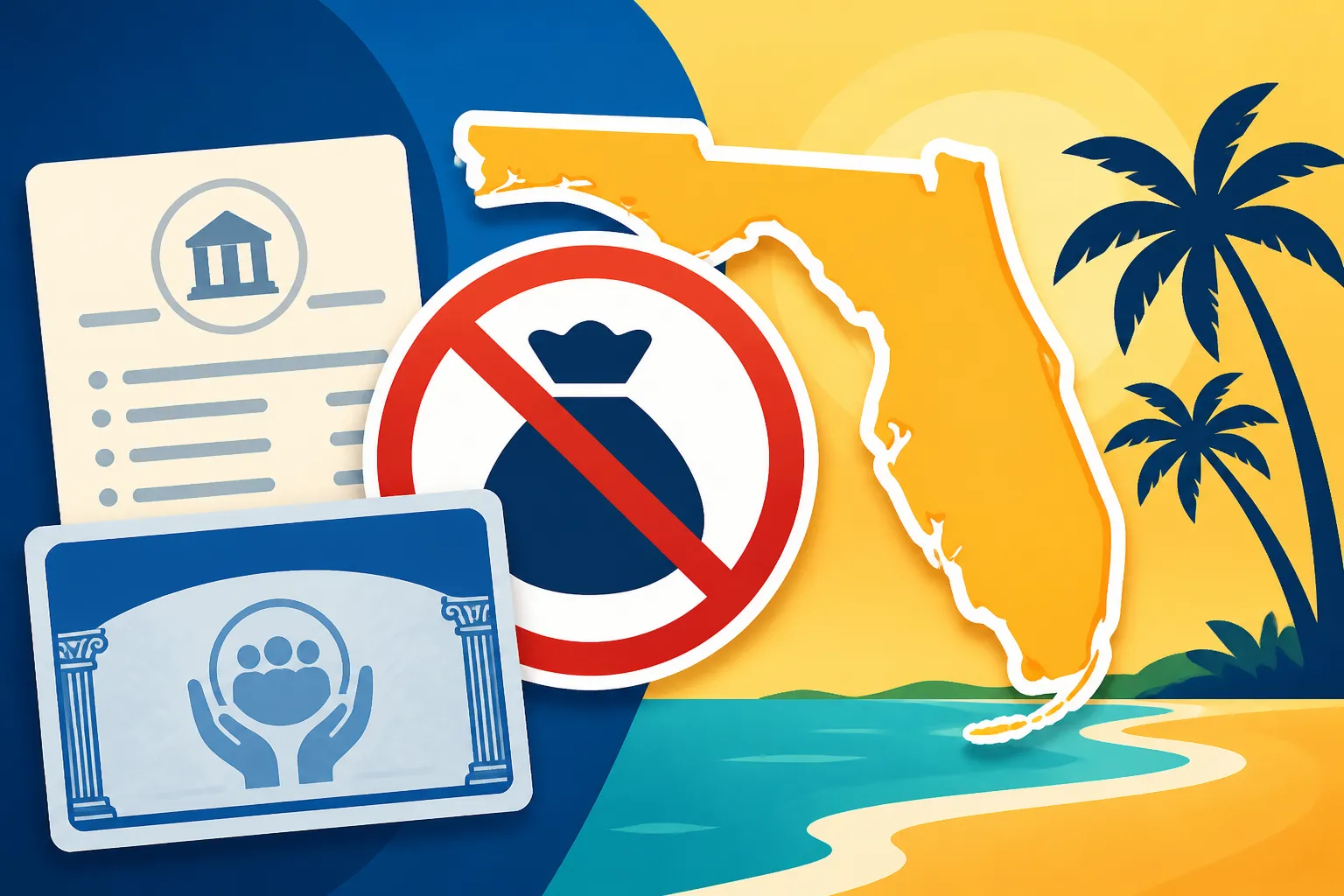
Let's get straight to the point: Florida does not levy a state income tax. This is perhaps the single biggest draw for retirees and working professionals alike. Unlike states such as California or New York, where a percentage of your earnings and other income sources are subject to state taxation, Florida operates without this burden. This means that if you're earning a salary, running a business, or, crucially, receiving retirement income, the state itself won't take a slice.
This "no income tax" status impacts more than just Social Security. It extends to wages, salaries, and virtually all forms of personal income. This fundamental difference in tax philosophy sets Florida apart from the majority of other states. For a comprehensive overview, you might want to look into the list of States With No Income Tax (2026 Full List) to see how Florida compares across the nation.
The Specifics of Social Security Taxation in Florida
Because Florida has no state income tax, it means that your Social Security benefits are completely exempt from state-level taxation. This is fantastic news for retirees. While your federal Social Security benefits might still be subject to federal income tax depending on your combined income (which includes half your Social Security benefits plus other adjusted gross income), Florida itself will not impose any tax on those benefits.
Imagine you're receiving $2,500 a month in Social Security benefits. In some states, a portion of that could be taxed at the state level, in addition to any federal tax you might owe. However, if you're a Florida resident, that $2,500 stays entirely in your pocket, free from state taxes. This can make a significant difference to your monthly budget, freeing up funds for things you actually want to do, like enjoying the beaches or dining out. This exemption is one of the primary reasons why Florida is often cited as one of the Most Tax-Friendly States for Retirees 2027.
Here’s a quick glance at how Florida handles different types of retirement income compared to states that do have an income tax:
| Income Type | Florida's State Tax Treatment | States with Income Tax (General) |
|---|---|---|
| Social Security Benefits | Not Taxed | Often Partially or Fully Taxed |
| Pension Income | Not Taxed | Often Partially or Fully Taxed |
| 401(k) / IRA Withdrawals | Not Taxed | Often Partially or Fully Taxed |
| Wages/Salaries | Not Taxed | Generally Taxed |
| Investment Income | Not Taxed | Generally Taxed |
As you can see, Florida offers a broad advantage by not taxing any of these common income streams that retirees rely on. For more details on other states, our guide on How Each State Taxes Retirement Income (50-State Guide) can provide valuable comparative information.
Understanding Florida's Overall Tax Friendliness for Retirees
While the absence of state income tax on Social Security and other retirement income is a huge win, it's essential to look at the broader tax picture to truly understand Florida's appeal for retirees. Taxes aren't just about income; they encompass sales, property, and other lesser-known levies that can impact your budget.
Other Income Sources: Pensions, 401(k)s, and IRAs
Just like with Social Security, Florida does not tax any other forms of retirement income, including private pensions, government pensions, military retirement pay, 401(k) withdrawals, or IRA distributions. This is a significant advantage, as many states, even those considered "tax-friendly," may still tax certain types of pension or retirement account income.
For instance, if you have a substantial pension from your previous employer, or if you plan to make regular withdrawals from your 401(k) or IRA, every dollar you withdraw will be free from state income tax in Florida. This stands in stark contrast to states that might offer some Retirement Income Exclusions by State but still tax a large portion of these funds. This full exemption for all retirement income is a major factor in why so many seniors choose to establish residency in Florida for taxes.
Beyond Income Tax: Sales and Property Taxes
No state income tax doesn't mean no taxes at all, of course. Florida relies on other forms of taxation to fund its state and local services. The two big ones for retirees to consider are sales tax and property tax.
- Sales Tax: Florida has a statewide sales tax rate of 6%. However, many counties add their own local option sales tax, bringing the total rate typically between 6.5% and 8%. For example, in Miami-Dade County, the sales tax rate is 7%, while in Hillsborough County (Tampa area), it's 7.5%. This tax applies to most goods and services you purchase, but it does not apply to groceries or prescription drugs. This can be a factor if you plan on making a lot of large purchases or have a high spending lifestyle.
- Property Tax: Property taxes in Florida are levied at the local level by counties, cities, and special districts. They are assessed based on the value of your home, and rates can vary significantly depending on where you live. For example, a home in a bustling area like Orlando might have a higher effective property tax rate than a similar home in a more rural part of the state.
While property taxes can be a concern, Florida does offer a generous homestead exemption that can significantly reduce the taxable value of your primary residence, which we'll discuss further. When evaluating a potential move, it's wise to consider the complete picture, and financial planning tools from resources like SmartAsset can help you compare these tax burdens across different Florida counties and even against other states. They offer calculators and financial advisor matching services that can be invaluable in visualizing your complete tax burden.
Why Florida Appeals to Retirees Beyond Social Security
The lack of state income tax is undeniably a massive draw, but Florida's appeal for retirees extends far beyond just that. The state has intentionally cultivated an environment that supports and attracts older adults, making it a truly desirable place to spend your retirement years.
No State Estate or Inheritance Tax
Another significant financial benefit for Florida residents, particularly those planning for their legacy, is the absence of a state estate tax or inheritance tax. Many states impose taxes on the transfer of wealth after death, which can reduce the value of what your heirs receive.
For example, states like New York or New Jersey have their own estate taxes that can take a percentage of larger estates. If you have substantial assets, living in a state with no estate or inheritance tax can mean your beneficiaries receive more of your estate, rather than it being diminished by state taxes. This peace of mind, knowing your loved ones are more financially secure, is a big factor for many in choosing Florida. When considering your overall tax burden, understanding if a state taxes estates is a crucial part of the puzzle.
Homestead Exemptions and Senior Discounts
Florida provides several avenues for homeowners to reduce their property tax burden, most notably through the homestead exemption. If your Florida property is your permanent residence, you can claim a homestead exemption of up to $50,000 off the assessed value of your home. This means if your home is assessed at $300,000, your property taxes are calculated as if the home were worth $250,000.
Beyond the initial homestead exemption, there are additional exemptions available for seniors, disabled veterans, and other qualifying individuals, which can further reduce property tax liabilities. For example, many counties offer additional senior exemptions if you meet certain age and income requirements. These exemptions can make a tangible difference in your annual property tax bill, helping to offset the reliance on property taxes in a no-income-tax state.
Moreover, Florida is generally a very senior-friendly state, with many businesses, attractions, and local services offering discounts for older adults. From reduced admission fees at state parks to special pricing at restaurants, these smaller perks add up and contribute to the overall affordability of living in Florida during retirement.
Planning Your Retirement Move to Florida: Key Considerations
Moving to a new state for retirement, especially one known for its tax benefits, involves more than just packing boxes. To fully leverage Florida's tax advantages, particularly regarding your Social Security and other income, you need to understand the nuances of establishing residency and plan carefully.
Establishing Domicile: More Than Just Moving
Simply buying a house in Florida and spending a few months there won't automatically make you a Florida resident for tax purposes. States, especially those with high income taxes like California or New York, are very diligent about determining true domicile. Domicile is your legal home, the place you intend to return to and where you maintain your primary connections.
To officially establish Florida domicile and fully enjoy benefits like not having your Social Security taxed by your previous state, you'll need to demonstrate a clear intent to make Florida your permanent home. This often involves:
- Filing a Declaration of Domicile in Florida.
- Registering to vote in Florida.
- Getting a Florida driver's license and registering your vehicles there.
- Opening bank accounts in Florida.
- Changing your mailing address for all important documents.
- Severing ties with your previous state (e.g., selling your old home, canceling club memberships, changing doctors).
- Spending more than 183 days a year in Florida.
This process is critical, and there are resources like our guide on How to Establish Florida Domicile that can walk you through the steps in detail. Don't underestimate the importance of this; states are becoming more aggressive in auditing former residents, especially those moving to no-income-tax states.
Comparing Florida's Tax Burden with Other States
While Florida doesn't tax Social Security or other retirement income, it's always smart to do a holistic comparison of your total tax burden when considering a move. Sales and property taxes, as mentioned, are part of the equation. Also, consider the cost of living, which can vary significantly even within Florida itself.
For example, a gorgeous beachfront condo might have higher property taxes and insurance costs than a smaller home inland. Similarly, while Florida boasts a 0% state income tax, states like Tennessee also have no state income tax on earned wages (though historically they taxed interest and dividends, which is now being phased out with the New Hampshire Interest & Dividends Tax Repeal as an example of similar legislative changes).
When comparing, tools like those provided by SmartAsset can be incredibly helpful. They allow you to input your income, assets, and spending habits to get an estimated overall tax burden for different cities and states. This way, you can compare a move from, say, New York vs Florida Taxes Compared, factoring in all the variables from income to property to sales taxes. Understanding the full picture of your Retirement Taxes: Florida vs Other States will help you make the best financial decision for your golden years. It's not just about what a state doesn't tax, but what it does tax, and what that means for your unique financial situation.
Disclaimer
The information provided in this guide is for general informational purposes only and does not constitute financial, legal, or tax advice. Tax laws are complex and subject to change. It is always recommended to consult with a qualified tax professional or financial advisor for personalized advice regarding your specific situation.