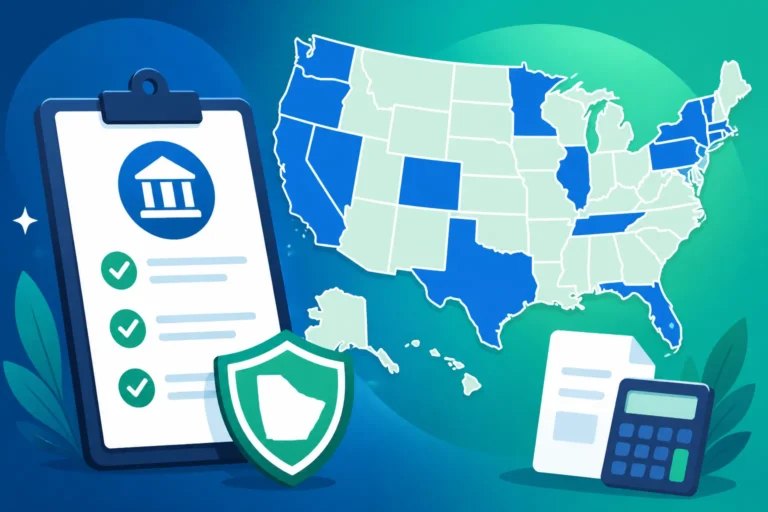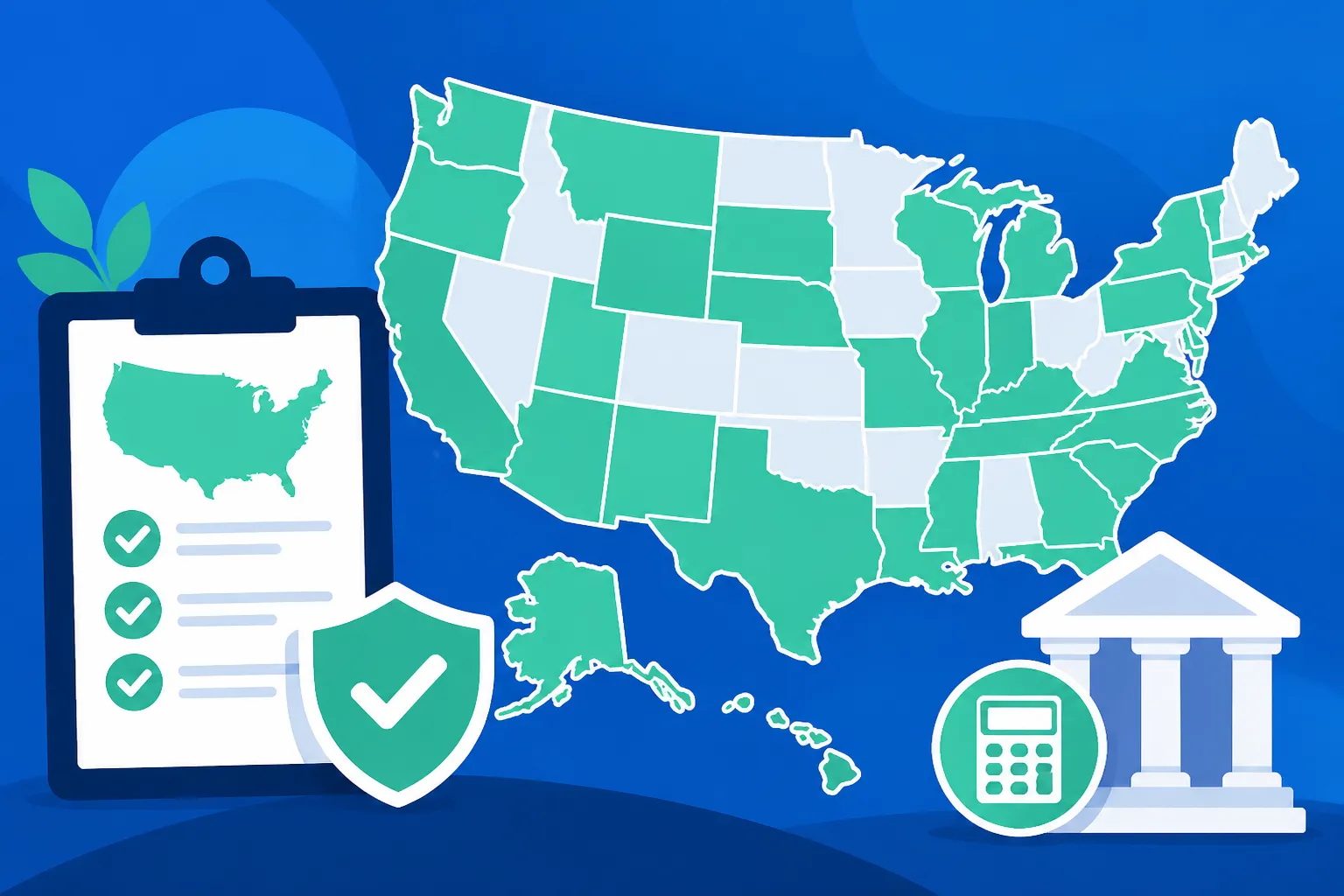
States Accepting Federal Extension (Form 4868)
That annual tax deadline always seems to sneak up on us, doesn't it? One minute it's January, and the next, you're staring at April 15th with a pile of paperwork and a knot in your stomach. It’s a common frustration, especially when life throws you a curveball and you just can't get everything together in time. Thankfully, there’s a federal tax extension available, and what many people don't realize is that most states will often follow suit, saving you a whole lot of extra headache. This guide will walk you through which states accept the federal extension (Form 4868), which ones require a separate step, and what you absolutely need to know to avoid penalties.
Understanding the Federal Tax Extension Form 4868
Before we dive into the state-specific details, let’s clear up what a federal tax extension actually means. Filing Form 4868 with the IRS grants you an automatic extension of time to file your federal income tax return, typically for an additional six months, pushing the deadline from April to October. But here’s the crucial part: it’s an extension to file, not an extension to pay. This distinction is incredibly important and often misunderstood, leading to unexpected penalties.
What Form 4868 Really Does and Doesn't Do
When you submit Form 4868, you're essentially telling the IRS, "Hey, I need more time to get my ducks in a row for filing my return." This is a huge relief for many, allowing them to gather all their W-2s, 1099s, receipts, and other financial documents without rushing and potentially making costly errors. It buys you breathing room to consult with a tax professional, accurately report all your income, and claim all eligible deductions and credits.
However, many people mistakenly believe that an extension means they don't have to pay their taxes until the new extended deadline. This is a myth that can cost you. If you anticipate owing federal taxes, those payments are still due by the original April deadline. The extension only pushes the filing deadline. If you don't pay at least 90% of your tax liability by the original due date, you could face penalties for underpayment and interest charges, even with an approved extension. Think of it this way: the IRS is okay with you taking more time to submit the paperwork, but they still want their money on time. This concept also applies to many state tax systems, as we'll explore shortly. For a broader understanding of tax deadlines, check out our guide on State Tax Deadlines 2026 All States.
Common Reasons People File for an Extension
Life happens, right? There are countless legitimate reasons why someone might need a tax extension. Perhaps you're waiting on crucial tax documents from an investment firm or a former employer, and they just haven't arrived yet. Maybe you've experienced a significant life event – a new baby, a move to a new state, a severe illness, or even a natural disaster – that has understandably shifted your focus away from tax preparation. Sometimes, it's simply a matter of needing more time to organize complex financial situations, like operating a small business, managing rental properties, or dealing with investments that generate various income streams.
For some, it's about minimizing stress. Trying to crunch all your numbers and navigate complex tax laws under immense pressure can lead to mistakes. An extension provides the peace of mind to approach your taxes thoughtfully and accurately, potentially saving you money and headaches in the long run. Tax software like TurboTax can guide you through the process of filing Form 4868, making it straightforward to request that extra time.
States That Automatically Accept the Federal Extension
The good news is that a significant number of states are pretty understanding when it comes to extensions. Many will automatically grant you an extension for your state income tax return if you've been granted a federal extension by the IRS. This streamlines the process considerably, as you typically don't need to file a separate state-specific form.
The "Set It and Forget It" States
For residents of many states, if you file Form 4868 with the IRS, you're usually good to go for your state return as well. These states often simply require you to indicate on your eventual state tax return that you filed a federal extension. You don't need to send them a copy of your federal extension form or fill out any additional state paperwork.
States that generally fall into this "automatic acceptance" category include:
- California: The Golden State is known for having some of the highest income tax rates, but they are typically quite accommodating with extensions. If you get a federal extension, your state return is usually automatically extended.
- New York: Another state with a complex tax system, New York generally honors the federal extension automatically, but like California, if you owe state tax, you still need to pay it by the original April deadline to avoid penalties.
- Illinois: This state often aligns its extension policies with the federal government.
- Georgia: If you have a federal extension, Georgia will typically grant you one automatically for your state income tax return.
- North Carolina: Similar to Georgia, North Carolina usually defers to the federal extension.
This automatic acceptance can be a huge relief, especially for those who are Filing Taxes in Multiple States. It reduces the administrative burden and allows you to focus on getting both your federal and state returns accurate without worrying about juggling different sets of extension rules.
Nuances and Exceptions to Automatic Acceptance
While many states automatically accept the federal extension, it's crucial not to assume. There are always nuances and exceptions that can trip you up. The most important caveat, which we discussed earlier for federal taxes, holds true here too: an extension to file is not an extension to pay. If you estimate you’ll owe state taxes, you must pay that estimated amount by the original state tax deadline (which is often the same as the federal deadline). Failing to do so can result in underpayment penalties and interest charges, even if your filing deadline has been extended.
Some states might require you to attach a copy of your federal Form 4868 to your eventual state tax return when you finally file it. Others might have specific conditions, such as requiring you to indicate the federal extension on a particular line of their state tax form. It's always a good idea to quickly double-check your state's Department of Revenue website or consult with a tax professional, just to be absolutely certain you meet all requirements. Don't let a small oversight turn your extension into a penalty notice!
States That Require Their Own State-Specific Extension Form
Even with the convenience of automatic federal extension acceptance in many places, some states march to the beat of their own drum. These states require you to file a separate extension form specifically for your state income taxes, even if you’ve already filed Form 4868 with the IRS. It adds an extra step, but it’s a non-negotiable one if you want to avoid late-filing penalties.
Where You Still Need to File a Separate Request
For these states, simply filing Form 4868 at the federal level isn't enough to extend your state tax filing deadline. You'll need to seek out their specific extension form, fill it out, and submit it by the original state tax deadline. This is particularly important to remember if you’re used to automatic extensions from previous states of residence or if your tax software doesn't automatically handle the state extension filing for you. While programs like TurboTax are usually good at prompting you for state forms, it’s always wise to be aware.
The process for these states often mirrors the federal one: you're typically granted an automatic extension to file your state return, but any state taxes owed are still due by the original deadline. Failing to pay on time will likely result in interest and penalties. This is where careful tax planning and estimating your tax liability become essential.
Key States and Their Specific Forms
Let's look at a few examples of states that require their own separate extension forms:
- Pennsylvania: The Keystone State is one of those that requires its own form. If you need a state tax extension for your Pennsylvania personal income tax (PA-40), you generally need to file Form REV-276, Application for Extension of Time to File. This form must be filed by the original due date of the return, and you still need to pay any estimated tax due by that date.
- Virginia: Virginia is another state where you can't just rely on the federal extension. If you need more time to file your Virginia Individual Income Tax Return, you'll typically file Form 760IP, Application for Extension of Time to File. While this form grants an automatic six-month extension to file, any tax due must still be paid by the original May 1st deadline to avoid interest and penalties.
- Massachusetts: For residents of Massachusetts, an extension for filing your state income tax return (Form 1) is typically granted if you pay at least 80% of the tax due by the original due date. You don't necessarily file a separate form if you're paying online, but you need to proactively make that payment and indicate it's for an extension. Otherwise, you may need to file Form M-4868, Application for Automatic Six-Month Extension of Time to File Massachusetts Income Tax Return.
- New Jersey: If you need a state extension in New Jersey, you must specifically apply for a state extension even if you have a federal one. This can be done through the state's online portal or by filing Form NJ-1040-V if paying by mail, ensuring you clearly indicate it's an extension payment.
The common thread among these states is the need for a proactive step on your part, beyond just filing the federal Form 4868. Always verify the specific requirements for your state each tax season, as rules can occasionally change. For anyone exploring how to prolong their tax filing obligations, a deeper dive into State Tax Extensions: How to File would be highly beneficial.
States With No Income Tax (No State Extension Needed)
Ah, the dream for many! A handful of states in the U.S. do not impose a statewide income tax on wages. For residents of these states, the concept of a "state income tax extension" is, quite frankly, moot because there's no state income tax return to file in the first place!
The "Tax-Free" States and Their Implications
There are generally nine states that do not levy a broad state income tax on wages:
- Alaska
- Florida
- Nevada
- South Dakota
- Tennessee (though it previously taxed interest and dividends, that tax has been fully phased out)
- Texas
- Washington (though it has a capital gains tax for high earners, it does not have a general income tax)
- Wyoming
- New Hampshire (only taxes interest and dividends, and that tax is being phased out, making it effectively a no-income-tax state for wages)
If you live and work in one of these states, you won't have to worry about filing a state income tax return or an extension for it. This significantly simplifies your annual tax routine from a state perspective. You'll still, of course, need to file your federal income tax return, and if you need an extension for that, Form 4868 is still your go-to. Our detailed list of States With No Income Tax (2026 Full List) provides an excellent resource for anyone interested in this topic.
Other Taxes to Consider in No-Income-Tax States
Now, don't get too excited and think you're entirely off the hook for state-level taxes in these "tax-free" havens. While they might not have a statewide income tax, states still need to generate revenue to fund public services, and they do so through other means. These often include:
- Sales Taxes: Many no-income-tax states have higher sales tax rates or broader sales tax bases (meaning more goods and services are taxed) to compensate. For example, Washington has a significant sales tax, as does Florida.
- Property Taxes: Property taxes can also be quite high in some of these states. Texas and New Hampshire, for instance, are known for their relatively high property tax rates.
- Excise Taxes: Taxes on specific goods like gasoline, tobacco, and alcohol are also common.
- Other Fees: Various licenses and fees contribute to state revenue.
So, while you might not file a state income tax return or need an extension for it, it doesn't mean you're immune to state-level taxation altogether. It's always a good idea to consider the full picture of your tax burden, including sales, property, and other local taxes, when evaluating a state's overall tax friendliness. Sometimes, a state with a lower income tax might have higher other taxes that could offset potential savings. This is a key factor when considering factors such as Cost of Living vs Taxes by State.
What Happens If You Owe Money (Even With an Extension)
This is perhaps the most critical point to understand about tax extensions, both federal and state. An extension grants you more time to file your return, but it does not grant you more time to pay any taxes you owe. This is where many people get into trouble and incur unnecessary penalties and interest.
Paying Your Estimated Taxes on Time
If you anticipate owing federal or state taxes, you absolutely must pay those estimated amounts by the original tax deadline (typically April 15th for most states, but verify your state's specific date). This isn't just a suggestion; it's a requirement to avoid underpayment penalties. Even if you don't know the exact amount down to the penny, you need to make a reasonable estimate and pay as much as you can.
How do you estimate? Look at your income and deductions from the previous year, consider any changes in your financial situation (like a new job, promotion, or significant investment income), and use online calculators or tax software to get a ballpark figure. If you pay less than 90% of your actual tax liability by the original due date, you could face penalties. It's always better to slightly overestimate and get a refund later than to underestimate and face penalties. Many states have their own estimated tax payment forms or online portals. Tax prep software like TurboTax will often help you calculate these estimates and guide you through the payment process for both federal and state taxes.
Penalties for Late Payment vs. Late Filing
Understanding the difference between these two types of penalties is vital.
- Late Filing Penalty: This penalty kicks in if you don't file your return (or an extension) by the original deadline. It's usually a percentage of the unpaid taxes for each month or part of a month that a return is late, typically much higher than the late payment penalty. If you filed an extension, you generally avoid this penalty, assuming you file by the extended deadline.
- Late Payment Penalty: This penalty applies if you don't pay the taxes you owe by the original deadline, even if you filed an extension. It's usually a smaller percentage of the unpaid taxes per month compared to the late filing penalty, but it still adds up. Additionally, interest is charged on unpaid taxes from the original due date until the date of payment.
The goal with an extension is to avoid the late filing penalty. But to avoid both late filing and late payment penalties, you need to file your extension and pay your estimated tax liability by the original deadline. If you're unsure if you need to file a state return at all, our post on Do I Need to File State Taxes? (Thresholds) can offer guidance. If you realize you're going to miss a deadline or can't pay, understanding State Tax Payment Plans & Penalties is your next best step.
Filing Your Extended State Return
Once you've secured your extension, whether it's automatic or by filing a separate form, the next step is to actually prepare and submit your state income tax return by the extended deadline. This is your opportunity to complete your return accurately and thoroughly.
Using Tax Software for Extended Returns
Tax software has become an invaluable tool for managing tax obligations, especially when dealing with extensions or multiple state filings. Programs like TurboTax, H&R Block, and TaxAct are designed to guide you through the process step-by-step.
When you're ready to file your extended state return, the software will typically:
- Import Data: If you’ve already completed your federal return through the same software, much of your relevant income and deduction data will automatically populate into the state return forms. This reduces manual entry and potential errors.
- Prompt for Extension Information: It will often ask if you filed a federal extension and, if applicable, guide you on how to indicate this on your state return. For states requiring a separate extension form, it might prompt you to fill out and e-file that as well, or at least provide instructions.
- Calculate Liability: The software will calculate your final state tax liability, taking into account any estimated payments you’ve already made.
- Suggest Filing Methods: It will provide options for e-filing your state return, which is generally the fastest and most secure method, or instruct you on how to print and mail it if necessary.
Using a reputable tax software can simplify the often-complex world of state taxes, ensuring you account for all necessary forms and payments, even with an extension.
What to Do If You've Already Filed Federal
It's pretty common for people to file their federal return and then realize they need more time for their state return, or vice-versa. If you've already submitted your federal return to the IRS, but haven't filed your state return and need an extension, here's what you should do:
- Check Your State's Policy: Revisit our guide (or your state's Department of Revenue website) to confirm whether your state automatically accepts the federal extension or requires a separate state-specific form.
- File State Extension (If Needed): If your state requires its own form, ensure you complete and submit it by the original state tax deadline. Don't assume your federal filing covers it.
- Pay Estimated State Taxes: If you anticipate owing state taxes, make sure you've paid your estimated amount by the original state deadline to avoid late payment penalties, even if you have an extension to file.
- Complete State Return by Extended Date: Once you have your extension, you have until the new extended deadline to prepare and file your complete state tax return. When you do, make sure to indicate that you filed an extension if your state requires it.
The key is to proactively manage each return, federal and state, according to its own rules. While they are often intertwined, they are ultimately separate entities. If you're wondering about your refund status after filing, whether on time or with an extension, our article Where's My State Refund? Check by State can guide you.
Quick Reference Table: State Extension Policies
To help you navigate the various state policies, here’s a quick reference table. Keep in mind that tax laws can change, so always double-check with your state’s official tax agency for the most current information.
| State | Income Tax? | Accepts Federal Extension (Form 4868) Automatically? | If No, Requires State-Specific Extension Form (Examples) |
|---|---|---|---|
| Alabama | Yes | Yes | |
| Alaska | No | N/A | N/A |
| Arizona | Yes | Yes | |
| Arkansas | Yes | Yes (must indicate on return) | |
| California | Yes | Yes | |
| Colorado | Yes | Yes | |
| Connecticut | Yes | Yes | |
| Delaware | Yes | Yes | |
| Florida | No | N/A | N/A |
| Georgia | Yes | Yes | |
| Hawaii | Yes | Yes | |
| Idaho | Yes | Yes | |
| Illinois | Yes | Yes | |
| Indiana | Yes | Yes | |
| Iowa | Yes | Yes | |
| Kansas | Yes | Yes | |
| Kentucky | Yes | Yes | |
| Louisiana | Yes | Yes | |
| Maine | Yes | Yes | |
| Maryland | Yes | Yes | |
| Massachusetts | Yes | Yes (if 80%+ of tax paid) | Form M-4868 (if not paying at least 80%) |
| Michigan | Yes | Yes | |
| Minnesota | Yes | Yes | |
| Mississippi | Yes | Yes | |
| Missouri | Yes | Yes (if no state tax due) | Form MO-60 (if state tax due) |
| Montana | Yes | Yes | |
| Nebraska | Yes | Yes | |
| Nevada | No | N/A | N/A |
| New Hampshire | No (wages) | N/A | N/A (for interest/dividends, may need Form DP-59-ES) |
| New Jersey | Yes | No | Form NJ-1040-V (payment voucher) |
| New Mexico | Yes | Yes | |
| New York | Yes | Yes | |
| North Carolina | Yes | Yes | |
| North Dakota | Yes | Yes | |
| Ohio | Yes | Yes | |
| Oklahoma | Yes | Yes | |
| Oregon | Yes | Yes | |
| Pennsylvania | Yes | No | Form REV-276 |
| Rhode Island | Yes | Yes | |
| South Carolina | Yes | Yes | |
| South Dakota | No | N/A | N/A |
| Tennessee | No | N/A | N/A |
| Texas | No | N/A | N/A |
| Utah | Yes | Yes | |
| Vermont | Yes | Yes | |
| Virginia | Yes | No | Form 760IP |
| Washington | No (wages) | N/A | N/A (for capital gains tax, may need separate extension) |
| West Virginia | Yes | Yes | |
| Wisconsin | Yes | Yes | |
| Wyoming | No | N/A | N/A |
Disclaimer
This article is for general informational purposes only and does not constitute professional advice. Laws and regulations vary by location and change over time. Consult a qualified professional for guidance on your specific situation.