IRS Direct File States 2026
The world of state income tax filing can feel like a labyrinth, with each state boasting its own unique rules, forms, and deadlines. It’s easy to feel overwhelmed, especially when you’re trying to navigate different software platforms or wondering if you're leaving money on the table. This comprehensive guide is designed to cut through that confusion, focusing specifically on the highly anticipated expansion of the IRS Direct File program to include state tax filing in 2026, helping you understand which states are on board and what it means for your tax season.
Understanding IRS Direct File: A New Horizon in Tax Filing
For years, the idea of directly filing your taxes with the IRS, bypassing commercial software, felt like a distant dream. But with the introduction of IRS Direct File, that dream is becoming a reality. This isn't just another online filing option; it's a fundamental shift in how millions of Americans could approach their tax obligations, and its expansion to state taxes promises even greater simplification.
What Is IRS Direct File and How Does It Work?
At its core, IRS Direct File is a free, government-run tax filing service that allows eligible taxpayers to prepare and submit their federal income tax returns directly to the IRS. Think of it as a streamlined, no-cost alternative to traditional commercial tax software. The program was initially piloted in 2024, giving a select group of taxpayers in various states the chance to test out this new method.
The process itself is designed to be user-friendly. Once you're deemed eligible, the system guides you through entering your income information, deductions, and credits. It asks clear, straightforward questions, often pre-populating data directly from your W-2s or other tax forms if you provide permission. The goal is to minimize errors and make filing as simple as possible, cutting out the complexities that sometimes arise with third-party platforms. It's truly a game-changer for those who find the annual tax ritual daunting, especially for those with simpler tax situations.
The Federal Program's Structure and Its Success
The 2024 pilot program focused exclusively on federal tax returns, and it saw participation from a diverse set of states, some with state income taxes and some without. For residents in states like Arizona, California, Massachusetts, and New York, the program offered a parallel state filing service directly integrated with the federal filing process. This meant that once their federal return was complete, they could seamlessly transition to preparing and submitting their state return through the same interface.
The success of this federal pilot hinged on its simplicity and cost-free nature. For many, paying for tax software, even basic versions, is an annual frustration. IRS Direct File eliminated that barrier, offering a secure and official channel to fulfill tax obligations. The IRS has been careful to ensure the platform is robust and secure, addressing common concerns about data privacy and system reliability. This initial success has paved the way for further expansion, with a permanent program launching in 2025 and an even broader reach, including more state integrations, anticipated for 2026. This move aligns with the larger goal of modernizing tax administration and making it more accessible to everyone.
The Promise of State Integration for a Unified Filing Experience
The real excitement builds around the integration of state tax filing into the IRS Direct File system. Imagine filing both your federal and state taxes from one secure, free, and intuitive platform. For individuals living in states with income taxes, this could mean an end to juggling multiple platforms, paying separate fees, or wrestling with state-specific forms. The promise is a truly unified tax filing experience, which could significantly reduce the time, cost, and stress associated with tax season.
This integration is particularly beneficial for those who move between states or work across state lines, as it provides a consistent interface for understanding their obligations. While the federal program lays the groundwork, the state integration is where the program truly shines, offering a seamless journey from start to finish. It’s a vision of tax filing where the government provides the tools directly, simplifying a process that has historically been outsourced to commercial entities.
Which States Are Joining IRS Direct File in 2026?
The question on everyone's mind is, of course, "Which states will be part of this expanded program for 2026?" While official lists are always subject to change and new announcements, we can look at the 2024 pilot program and current legislative movements to anticipate which states are likely candidates.
Anticipated State Participants in 2026
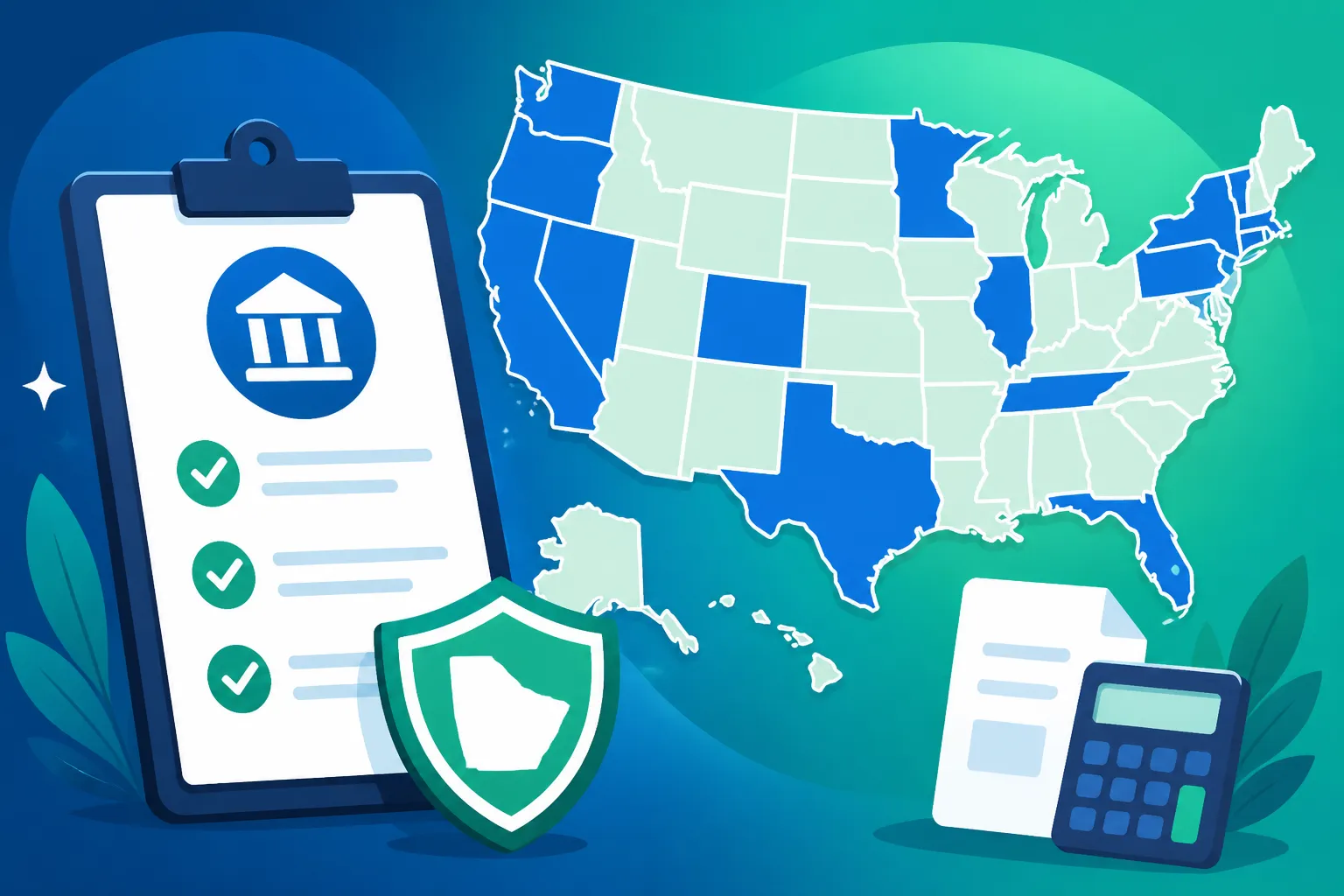
Based on the 2024 pilot, several states already demonstrated a willingness to integrate their state tax systems with IRS Direct File. The states that offered both federal and state direct filing were:
- Arizona: Known for its relatively straightforward tax structure, Arizona was an early adopter, recognizing the value of simplified filing for its residents.
- California: Given its large population and complex tax code, California's participation was significant, offering a much-needed free option for many taxpayers. Navigating California's income tax brackets 2026 can be tricky, so a simplified tool is a boon.
- Massachusetts: Another state with a substantial taxpayer base, Massachusetts joined to provide its residents with a streamlined way to file.
- New York: As a state with higher income tax rates and intricate local taxes, the availability of a free, integrated filing system like IRS Direct File New York was a welcome development for New Yorkers.
It's highly anticipated that these states will continue their participation and potentially expand their offerings in 2026. Their initial involvement signals a commitment to making tax filing easier for their citizens. Other states that participated in the federal-only pilot (like Florida, Nevada, New Hampshire, South Dakota, Tennessee, Texas, Washington, and Wyoming – all states with no income tax) might serve as gateways for future expansion if they were to introduce state income taxes, or for residents filing only federal returns through Direct File.
States Currently Considering or Exploring the Program
Beyond the initial pilot states, many other states are reportedly watching the IRS Direct File program closely. State tax departments and legislatures are weighing the benefits of offering a free, government-run option against existing commercial partnerships and their own internal resource capabilities. The decision often involves a careful balance of political will, technological readiness, and cost-benefit analysis.
For instance, states like Colorado or Connecticut, which have established state tax systems, might explore integration to offer their residents a more streamlined experience. The dialogue often centers around how to best serve taxpayers, and the cost savings offered by Direct File are a powerful incentive. As we approach the 2026 tax year, expect more official announcements as states finalize their plans and budgets. It's a dynamic landscape, with state tax cuts & changes for 2026 being a constant topic of discussion, sometimes influencing these decisions.
What Direct File Expansion Means for Residents
For residents in participating states, the expansion of IRS Direct File is undeniably good news. It translates to:
- More Options: Instead of being limited to commercial software or professional preparers, taxpayers will have a free, government-backed alternative. This increases access to filing tools, particularly for low-income individuals or those with simpler tax situations who might find existing solutions too costly or complex.
- Potential Cost Savings: If you're currently paying for tax software, even for a basic state return, Direct File could eliminate that annual expense. These savings, while seemingly small individually, can add up.
- Reduced Stress: Navigating tax forms can be stressful. A simplified, step-by-step interface can alleviate much of that anxiety, making tax season a less daunting experience. Knowing how to file state taxes can become much simpler.
- Greater Accuracy: By integrating directly with federal data and using a guided process, the system aims to reduce common errors that can lead to delays or audit flags.
Ultimately, the goal is to put more power and control into the hands of individual taxpayers, giving them a clear, free path to fulfilling their tax obligations without feeling pressured into commercial solutions.
Benefits of Using IRS Direct File for State Taxes
The allure of IRS Direct File isn't just about saving money; it’s about making the entire tax filing process more manageable and accessible. When this extends to state taxes, the advantages become even more pronounced, creating a truly simplified experience for many.
Simplified and Streamlined Filing Process
One of the most significant advantages of IRS Direct File is its commitment to simplicity. Traditional tax software, while powerful, can sometimes feel overwhelming with its myriad options, upgrades, and upsells. Direct File cuts through that noise, offering a clean, guided experience designed for ease of use.
Imagine starting your tax journey and being prompted with clear, jargon-free questions about your income, deductions, and credits. The system is designed to walk you through each step, ensuring you don't miss anything crucial. For states like California or New York, which have notoriously detailed tax requirements, a streamlined interface can make a world of difference. When your federal return is completed through Direct File, the state portion can often pre-fill much of your information, saving you the tedious task of re-entering data. This integration not only speeds up the process but also minimizes the chances of transcription errors that can occur when moving information between different platforms or forms. It embodies the essence of a modern, user-centric government service.
Cost Savings and Financial Accessibility
Let's be real: paying to file your taxes, especially when you're just trying to fulfill a legal obligation, can feel like an unnecessary burden. Commercial tax software, while offering valuable services, often comes with a price tag, particularly for state returns or more complex situations. This is where IRS Direct File truly shines as a game-changer.
By providing a completely free option, Direct File immediately puts money back into your pocket. For someone making minimum wage or a family on a tight budget, the $30-$60 saved on filing fees can be significant. This makes tax filing more financially accessible to everyone, regardless of their income level. It also removes the psychological barrier of having to pay for a service that feels like it should be inherently free, much like checking out a book from a public library. For many, it's not just a convenience; it's a financial relief, allowing them to keep more of their hard-earned money. If you're typically looking for free state tax filing options 2026, this will be at the top of your list.
Increased Accessibility and Support
Beyond cost, Direct File enhances accessibility in other crucial ways. The IRS has made a concerted effort to design the platform with a focus on user experience, ensuring it's navigable for a wide range of individuals. This means clear instructions, easy-to-understand language, and intuitive design that removes common stumbling blocks.
Furthermore, the program typically includes direct support options. Instead of relying on community forums or third-party customer service, taxpayers can often access assistance directly from the IRS or the participating state tax authority for questions related to the Direct File process itself. This direct line to official support can be invaluable when you're unsure about a specific tax rule or technical issue. It ensures that even those less familiar with technology or tax intricacies can confidently complete their returns. This focus on direct, official support contrasts with commercial entities that may prioritize upsells over basic assistance, providing a more trustworthy and reliable resource for taxpayers.
Limitations and Considerations of the Program
While IRS Direct File offers significant advantages, it's important to approach it with a realistic understanding of its current scope and limitations. It's a fantastic tool, but it's not a universal solution for every single taxpayer, especially in its early expansion phases.
Eligibility Requirements and Income Limits
One of the primary considerations is that not everyone will be eligible to use IRS Direct File, at least in its current or immediately expanded form. The program is designed to cover common tax situations and simpler returns. For federal filing, this often means individuals with W-2 income, unemployment compensation, Social Security benefits, and some interest income. Those with more complex investment portfolios, business income (like Schedule C filers), rental properties, or extensive itemized deductions may find themselves outside the eligibility criteria.
The same principle will likely apply to state direct filing. Each participating state will set its own specific eligibility guidelines. For example, a state might only allow direct filing for residents with W-2 income and standard deductions, while those with specific state-level business deductions or unique credits might still need to use commercial software or a tax professional. Always check the specific requirements for your state to avoid frustration. Understanding these limitations is key to managing expectations and determining if Direct File is the right fit for your unique situation.
Complex Tax Situations and Specific Deductions
The simplicity that makes Direct File so appealing can also be its limitation. If your tax situation involves anything beyond the most common forms of income and deductions, you might hit a roadblock. For instance, individuals who need to file for income from multiple states, or those with very specific deductions (like certain education credits or energy-efficient home improvement credits that are state-specific), might find that Direct File doesn't support these nuances.
Let's consider someone who bought a new electric vehicle and is looking for a State Tax Credits for Electric Vehicles in their state, or a homeowner hoping to maximize their Homestead Exemption by State. If the Direct File platform doesn't explicitly support these, they would be better served by commercial software like TurboTax or H&R Block, which are typically updated to handle a broader array of credits and deductions. Similarly, if you're trying to figure out how state tax brackets work: marginal vs effective, the Direct File might calculate it for you but won't necessarily offer the same depth of explanation or optimization tools as commercial options. This limited scope means that while Direct File is excellent for many, it won't replace the need for more robust tools or expert advice for those with intricate financial lives.
Potential Drawbacks and Learning Curve
While Direct File aims for simplicity, any new system comes with a learning curve. For individuals who are already comfortable with a specific commercial software or rely on a tax preparer, switching to a new platform might feel like an unnecessary hassle. There's also the potential for initial technical glitches or evolving features as the program scales up, which is common with any large-scale software rollout.
Another potential drawback could be the level of personalized advice. Commercial software often integrates tax planning tools, "what-if" scenarios, and prompts to help you maximize deductions you might not even know about. While Direct File is excellent at accurate calculation based on your input, it may not offer the same proactive guidance or personalized tax advice that some taxpayers appreciate from commercial products or human preparers. For example, if you're trying to figure out if you need to file an amended state return for a previous year or understand complex state tax penalties, Direct File may direct you to external resources rather than provide in-platform solutions. It's a tool for filing, not necessarily for comprehensive tax planning or complex problem-solving.
Comparing Direct File to Other Filing Options
The emergence of IRS Direct File doesn't happen in a vacuum; it joins a crowded ecosystem of tax filing solutions. Understanding how it stacks up against traditional commercial software, state-specific free options, and professional preparers is crucial for making an informed decision about your 2026 tax season.
Traditional Tax Software (e.g., TurboTax, H&R Block)
For years, commercial tax software like TurboTax, H&R Block, and TaxAct have been the go-to for millions of Americans. These platforms offer a wide range of features, from simple guided filing for W-2 income to advanced tools for complex investments, self-employment, and rental properties. They often provide robust customer support, audit defense, and a user-friendly interface that has evolved over decades.
Pros of Commercial Software:
- Comprehensive Coverage: Handles virtually all tax situations, including intricate deductions, credits, and multi-state filing scenarios.
- Tax Planning Tools: Many offer advice, "what-if" scenarios, and year-round tax planning resources.
- Integration: Can import data from various financial institutions and previous year's returns.
- Audit Support: Often includes services to assist if you get audited.
Cons of Commercial Software:
- Cost: While basic federal filing might be free, state returns and more advanced features usually come with a fee, which can add up.
- Upselling: Can sometimes feel like a gauntlet of upsells and premium feature pushes.
- Data Sharing: Although secure, some users prefer not to share their financial data with private companies.
When considering options, an article like TurboTax vs TaxAct vs H&R Block for State Returns can provide a deeper comparison of these commercial giants. While Direct File is a strong contender for simpler returns, commercial software remains a powerful option for those with more complex financial lives or who value comprehensive features and extensive support.
State-Specific Free File Options
It's also worth remembering that many states, even before Direct File, have offered their own "Free File" programs, often in partnership with commercial software providers. These programs typically target low-to-moderate income taxpayers, allowing them to file their state taxes for free through a dedicated portal on the state's tax website. Examples include CalFile in California or specific free options offered through state tax departments.
Pros of State Free File:
- Free: The primary benefit is zero cost for eligible users.
- Direct to State: Filed directly with the state tax authority.
- Compliance: Ensures you're using state-approved software.
Cons of State Free File:
- Eligibility Restrictions: Often have income caps or age requirements.
- Limited Scope: May not handle all complex state tax situations or niche credits.
- Not Always Integrated: You often have to file federal separately (unless using IRS Free File alongside it, which is different from IRS Direct File).
- Less Robust Support: May offer less comprehensive support than commercial software.
The existence of IRS Direct File, especially with its federal-state integration, could potentially reduce the reliance on these state-specific Free File programs for those who qualify for Direct File. However, for those who don't qualify for Direct File but meet their state's Free File criteria, these options remain incredibly valuable.
Professional Tax Preparers
Finally, for those who find the entire process overwhelming, prefer hands-on assistance, or have extremely complex tax situations, professional tax preparers are a perennial option. These include certified public accountants (CPAs), enrolled agents (EAs), and other tax professionals who can prepare and file your taxes on your behalf.
Pros of Professional Preparers:
- Expert Guidance: In-depth knowledge of tax law, helping you maximize deductions and credits.
- Complex Situations: Ideal for small business owners, those with extensive investments, or multi-state filing needs (e.g., Filing Taxes in Multiple States).
- Audit Representation: Many offer to represent you if you face an audit.
- Peace of Mind: Reduces stress and ensures accuracy.
Cons of Professional Preparers:
- Highest Cost: Significantly more expensive than software options.
- Time: Requires scheduling appointments and providing documents.
- Finding a Good One: Can be challenging to find a reliable, ethical, and knowledgeable preparer.
Ultimately, IRS Direct File for state taxes in 2026 adds a compelling new choice to this landscape. It’s positioned as an excellent, free, government-backed alternative for individuals with straightforward tax situations, filling a gap between basic state Free File options and paid commercial software.
Preparing for State Direct File in 2026
The 2026 tax season might feel far off, but proactive preparation can make a world of difference, especially with new tools like state-integrated IRS Direct File on the horizon. Getting your ducks in a row early ensures a smoother, less stressful filing experience.
Gathering Your Documents Early
Regardless of how you choose to file, the foundational step is always to gather your tax documents. This remains true for IRS Direct File. Don't wait until the last minute! As 2026 approaches, make it a habit to collect and organize everything you'll need.
This typically includes:
- W-2 Forms: From all employers, showing your wages and federal/state tax withholdings.
- 1099 Forms: For interest (1099-INT), dividends (1099-DIV), retirement distributions (1099-R), or gig economy income (1099-NEC, 1099-K).
- Bank Statements: For any interest earned or other relevant financial activity.
- Mortgage Interest Statements (Form 1098): If you're a homeowner and plan to itemize, though Direct File might initially favor standard deductions.
- Proof of Deductions/Credits: Receipts for childcare, student loan interest (1098-E), education expenses (1098-T), or any state-specific credits you might be eligible for.
Having these documents neatly organized will not only make inputting data into Direct File a breeze but also help you quickly determine if your tax situation is simple enough for the program. Remember, some states have specific State Standard Deduction vs Itemized (2026) rules, so having all potential deduction information ready helps with comparison, even if Direct File makes the choice for you.
Staying Informed About State Updates and Eligibility
The IRS Direct File program is dynamic, and its state-level integration is still evolving. What's true for the 2024 pilot might change for 2026. Therefore, staying informed is paramount.
- Official Sources: Regularly check the IRS website and your specific state's Department of Revenue website. These are the most accurate and up-to-date sources for information on Direct File participation, eligibility, and specific state tax deadlines 2026.
- News Outlets: Keep an eye on reputable financial news sources that cover tax policy. They often report on state legislative decisions regarding tax programs.
- Subscribe to Updates: Many state tax departments offer email newsletters or alerts. Subscribing can ensure you receive critical updates directly.
Understanding the specific eligibility criteria for your state will be crucial. Will your income level qualify? Will your type of income be supported? For example, if you're a part-year resident trying to figure out How to File a Part-Year Resident Return, you'll need to know if Direct File supports that complexity in your state. The more informed you are, the better prepared you'll be to leverage this new filing option.
Considering Your Personal Tax Situation
Before you commit to any filing method, take a moment to honestly assess your personal tax situation. Direct File is an excellent tool, but it's not a one-size-fits-all solution.
- Simplicity vs. Complexity: If you have straightforward W-2 income, take the standard deduction, and don't have many complex investments or business activities, Direct File is likely a perfect fit. If you're running a small business, have rental properties, or have significant capital gains, you might find commercial software or a professional preparer more suitable.
- Multi-State Filing: If you work in one state and live in another, or moved mid-year, your tax situation can become complicated. While Direct File may eventually support some of these scenarios, it's wise to verify its capabilities for Working in One State, Living in Another: Tax Guide or How to File a Part-Year Resident Return in your specific states.
- Need for Advice: Do you just need to file, or do you need tax planning advice? Direct File is designed for execution, not consultation. If you need advice on optimizing your tax strategy or understanding intricate aspects like How State Tax Brackets Work: Marginal vs Effective, a tax professional might still be your best bet.
By evaluating these factors, you can decide if IRS Direct File will genuinely simplify your tax season or if another method is better suited to your needs. The goal is to choose the most efficient, accurate, and stress-free way to fulfill your tax obligations.
Disclaimer
Please note that tax laws, regulations, and program specifics are subject to change. The information provided in this guide is for informational purposes only and does not constitute professional tax advice. Always consult with a qualified tax professional or refer to official IRS and state tax department resources for the most current and accurate information regarding your individual tax situation. Eligibility for IRS Direct File and state participation can vary and may be updated periodically.