Hawaii Tax Deductions and Credits 2026
Living in Hawaii is truly a dream for many, but the reality of its cost of living, including the state's income taxes, can sometimes feel like a heavy burden. Trying to navigate the unique tax landscape of the Aloha State, figure out what you can claim, and ultimately reduce your tax liability can be incredibly confusing and honestly, quite frustrating. This comprehensive guide is here to demystify Hawaii's tax deductions and credits for 2026, helping you understand how to leverage every available opportunity to keep more of your hard-earned money.
Understanding Hawaii's Income Tax System
Hawaii's state income tax system operates a bit differently than some mainland states, and it's crucial to grasp its fundamental structure before diving into specific deductions and credits. The state prides itself on a progressive tax system, meaning those with higher incomes generally pay a higher percentage in taxes. It’s not just about the top rate; it’s about how each dollar of your income is treated as it moves through various brackets.
How Hawaii's Progressive Tax Rates Work
In Hawaii, your taxable income isn't simply hit with one flat rate. Instead, it's divided into chunks, or "brackets," and each chunk is taxed at a different, increasing rate. For 2026, Hawaii maintains a tiered system with multiple brackets, ranging from a relatively low starting rate for your initial income dollars to significantly higher rates for your top earnings. For example, a married couple filing jointly might find their first few thousand dollars taxed at 1.4%, while income exceeding a certain threshold—say, over $300,000—could be taxed at the top marginal rate, which has historically hovered around 11%. This structure means that even if you're in a high tax bracket, not all of your income is taxed at that highest rate. Only the portion of your income that falls into that specific bracket is subject to that rate. Understanding this is key to appreciating how deductions work, as they effectively reduce your income from the top bracket downwards. You can learn more about how different states structure their tax systems by reading about Graduated vs Flat State Income Tax Explained.
Key Differences from Federal Deductions and Credits
One of the biggest hurdles for many Hawaii taxpayers is realizing that the state's tax laws, while often mirroring federal guidelines, can also diverge significantly. Don't assume that a deduction or credit you qualified for on your federal 1040 automatically applies in the same way, or at all, to your Hawaii Form N-11 (for residents). For instance, Hawaii might have different income thresholds for certain credits, or entirely unique deductions that don't exist at the federal level, like the various credits designed to offset the high cost of living in the islands. Conversely, some federal deductions might be limited or not recognized by the state. It's like having two separate, but related, rulebooks. This is why a thorough understanding of Hawaii's specific tax code is absolutely essential, rather than just relying on your federal tax knowledge. Many folks make the mistake of just carrying over numbers from their federal return without reviewing the Hawaii-specific instructions, and that's where opportunities to save money can be missed.
Major State-Specific Deductions You Can Claim in Hawaii
When it comes to lowering your taxable income in Hawaii, deductions are your first line of defense. They reduce the amount of income subject to tax, which in turn reduces your overall tax bill. Hawaii offers both a standard deduction and the option to itemize, much like the federal system, but with its own unique flavor.
Standard Deduction vs. Itemized Deductions
Just like with your federal taxes, Hawaii allows you to choose between taking a standard deduction or itemizing your deductions.
The Hawaii Standard Deduction: For 2026, the Hawaii standard deduction amounts are likely to see minor adjustments, but they are generally lower than their federal counterparts. For example, a single filer might claim a standard deduction in the range of $2,200-$2,500, while married couples filing jointly could be looking at something closer to $4,400-$5,000. These amounts are often sufficient for taxpayers who don't have a lot of large, deductible expenses like significant mortgage interest or substantial charitable contributions. Choosing the standard deduction simplifies your tax filing, as you don't need to track and calculate every individual expense. It's often the easiest path, especially if your itemized deductions don't exceed the standard amount.
Itemized Deductions in Hawaii: If your allowable deductions surpass the standard deduction, then itemizing becomes the smarter choice. Hawaii permits a range of itemized deductions similar to the federal system, but again, with state-specific limitations or inclusions. Common itemized deductions include:
- Mortgage Interest: You can deduct interest paid on your home mortgage. Given Hawaii's high housing costs, this can be a significant deduction for homeowners.
- State and Local Taxes (SALT): While the federal SALT deduction is capped at $10,000, Hawaii doesn't have its own cap on this deduction for state income tax purposes. This means you can deduct state income taxes paid, as well as property taxes, without the federal limitation. This is a crucial difference that can provide substantial savings for Hawaii residents with high property tax bills or high state income tax liabilities. For more on this, you might find our article on How the SALT Cap ($40,000) Affects State Taxes very insightful.
- Charitable Contributions: Donations to qualified charities are generally deductible.
- Medical Expenses: You can deduct medical expenses that exceed a certain percentage of your Adjusted Gross Income (AGI). Hawaii's threshold may differ from the federal 7.5% of AGI.
- Casualty and Theft Losses: While rare, losses from federally declared disasters can be deductible.
The decision to itemize requires meticulous record-keeping. You'll need receipts and documentation for every expense you claim. For those who own homes, pay a lot in local taxes, or are very generous with their charitable giving, itemizing often leads to a lower tax bill.
Specific Deductions for Hawaii Residents
Beyond the general categories, Hawaii offers some deductions tailored to its unique context and resident needs. These are the ones that often get overlooked but can make a real difference.
Deduction for Dependents: Hawaii allows an exemption for dependents, which acts similarly to a deduction. You can generally claim an exemption for yourself, your spouse (if filing jointly), and each dependent you support. The value of each exemption is usually a fixed dollar amount, such as $1,144 per exemption, which reduces your taxable income. This might seem like a small amount on its own, but multiply it by several family members, and it adds up!
Medical Expenses (Specifics): While medical expenses are generally an itemized deduction, Hawaii has historically had specific nuances. For instance, sometimes certain types of long-term care insurance premiums or unreimbursed medical costs might be treated slightly differently than on your federal return. It's always worth checking the N-11 instructions for the most current specifics to ensure you're capturing everything you're entitled to. The high cost of healthcare in the islands makes every little bit of a deduction count here.
Educational Expenses: Hawaii has occasionally offered deductions or credits for higher education expenses, particularly for those attending local institutions or for specific professional development. While these can change, staying updated on the Hawaii Department of Taxation's publications is crucial. These aren't always broad deductions, but rather targeted ones, so if you or a dependent are pursuing higher education, keep an eye out.
Other Miscellaneous Deductions (Check Annually): Tax codes are living documents, and states often introduce new deductions or sunset old ones. In Hawaii, past years have seen special deductions for things like energy conservation improvements, specific agricultural activities, or even contributions to certain local funds. Always consult the official N-11 instruction booklet for the tax year you're filing, or use reliable tax software like TurboTax, which can help guide you through state-specific questions.
Essential Tax Credits Available to Hawaii Taxpayers
While deductions reduce your taxable income, tax credits directly reduce the amount of tax you owe, dollar for dollar. This makes credits incredibly powerful in lowering your tax liability. Hawaii offers a number of credits, some of which are unique to the state and designed to address the high cost of living and other local priorities.
Credits to Reduce Your Tax Bill
Hawaii has several credits that can significantly shrink your tax bill. Understanding which ones apply to you is paramount.
Food Tax Credit: This is one of Hawaii's most well-known credits, designed to provide relief from the state's General Excise Tax (GET) on food purchases, which effectively acts like a sales tax. The credit is generally refundable (more on this distinction below) and depends on your income level and the number of exemptions you claim. For 2026, the credit amount per exemption might be around $55 to $110, but this can vary. It's a lifesaver for many low-to-moderate income families struggling with the high cost of groceries in Hawaii. For example, a family of four with a lower income could receive a couple of hundred dollars back, making a real impact.
Dependent Care Credit: If you pay for childcare so you can work or look for work, Hawaii offers a credit for dependent care expenses. This credit often mirrors federal guidelines but with its own percentage or maximum limits. Given the high cost of childcare in Hawaii, this credit is a welcome relief for many working parents. It helps offset the substantial expenses of sending children to daycare, after-school programs, or hiring nannies.
Renewable Energy Technologies Income Tax Credit: Hawaii is a leader in renewable energy, and the state encourages its residents to adopt sustainable practices through tax credits. If you install solar panels, solar water heating, wind energy systems, or certain other renewable energy technologies on your property, you may qualify for a significant credit. This credit can be a percentage of the cost of the system, sometimes with a cap. For example, a credit could be 35% of the actual cost of a solar energy system, up to a certain dollar amount per system. This incentive helps make the transition to green energy more affordable for homeowners, directly reducing installation costs through tax savings.
Credit for Low-Income Household Renters: In some years, Hawaii has offered a refundable credit for low-income household renters to help offset the exorbitant rental costs in the state. Eligibility for this credit typically depends on your household income and the amount of rent paid. This credit aims to alleviate some of the financial pressure on individuals and families who rent homes, apartments, or other living spaces in Hawaii.
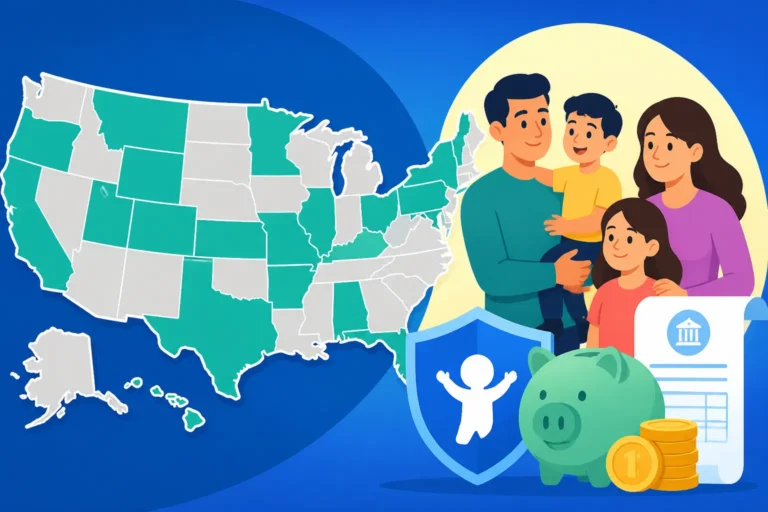
Child Tax Credit: While many states have a state-level Child Tax Credit, Hawaii is among those that do not currently offer a broad, state-specific equivalent to the federal Child Tax Credit. This is a key difference to note when planning your state tax strategy. You can check out which states do offer this benefit by looking into State Child Tax Credits 2026.
Other Credits: Keep an eye out for credits related to capital gains (often for specific types of investments or businesses within the state), or even credits for certain types of volunteer work or contributions to specific local economic development zones. These are less common but worth investigating if they apply to your unique situation.
Understanding Refundable vs. Non-Refundable Credits
It's absolutely essential to understand the difference between refundable and non-refundable tax credits, as it dictates how much money you can get back.
Non-Refundable Credits: These credits can reduce your tax liability to zero, but they won't result in a refund if the credit amount exceeds your tax due. For instance, if you owe $500 in state taxes and you have a $700 non-refundable credit, your tax bill drops to $0, but you don't get the extra $200 back as a refund. Many energy credits or some specific business credits tend to be non-refundable. They're great for reducing what you owe, but they won't put money in your pocket beyond that.
Refundable Credits: These are the real game-changers! Refundable credits can reduce your tax liability below zero, meaning if the credit amount is more than what you owe, the state will send you the difference as a tax refund. The Hawaii Food Tax Credit is a prime example of a refundable credit. If you owe $500 in taxes and qualify for a $700 refundable credit, your tax bill becomes $0, and you'll receive a $200 refund check. These credits are particularly beneficial for low-income individuals and families, as they can provide much-needed financial assistance even if they have little or no tax liability.
Here's a quick summary of some Hawaii tax credits:
| Credit Name | Type | Brief Description | Max. Value (Approx.) |
|---|---|---|---|
| Food Tax Credit | Refundable | Offsets GET on food purchases; based on income and exemptions | $55 – $110 per exemption |
| Dependent Care Credit | Non-Refundable | For childcare expenses for working parents/guardians | Varies (percentage of expenses) |
| Renewable Energy Technologies Credit | Non-Refundable | For installing solar, wind, etc. systems on your property | Up to 35% of cost, capped |
| Low-Income Household Renters Credit | Refundable | Helps low-income renters with housing costs | Varies by income/rent paid |
Note: Specific amounts and eligibility criteria are subject to change for 2026 and should be verified with official Hawaii Department of Taxation resources.
Navigating Your Hawaii Tax Return for Deductions and Credits
Filing your Hawaii state tax return, Form N-11, might seem daunting, but with the right approach and tools, it can be a smooth process. The key is organization and leveraging the resources available to you.
Tips for Accurate Record Keeping
The absolute foundation of claiming any deduction or credit is meticulous record keeping. Without proper documentation, even valid claims can be denied if you're ever audited. Think of it like building a house – you wouldn't start without a solid foundation.
- Create a Dedicated Tax Folder: Whether it's a physical folder or a digital one on your computer, create a single place to store all tax-related documents. This includes W-2s, 1099s, receipts for medical expenses, charitable donations, property tax statements, mortgage interest statements (Form 1098), and any other documentation related to potential deductions or credits.
- Track Expenses Throughout the Year: Don't wait until tax season to start gathering receipts. As expenses occur, file them away. For example, if you pay for childcare, keep monthly invoices or bank statements. If you make a charitable donation, ensure you get a receipt from the organization.
- Digitalize Important Documents: Consider scanning important receipts and documents and storing them securely in cloud storage (like Google Drive or Dropbox) or on an external hard drive. This provides a backup in case physical copies are lost or damaged.
- Utilize Apps and Software: There are many apps designed to help you track expenses and organize receipts throughout the year. Services like QuickBooks Self-Employed or even simple budgeting apps can be incredibly helpful for categorizing and storing financial information, making tax season far less stressful.
- Keep Records for at Least Three Years: The Hawaii Department of Taxation generally has a three-year statute of limitations for auditing returns, but in some cases, it can be longer (e.g., if there's a substantial understatement of income). It's wise to keep all relevant tax records for at least three to seven years.
Utilizing Tax Software and Professional Help
Once you have your records in order, the next step is to actually prepare and file your return. You have a couple of excellent options here, depending on your comfort level and the complexity of your financial situation.
Tax Software: For many, tax software offers an intuitive and efficient way to file both federal and state taxes. Programs like TurboTax, H&R Block Tax Software, or TaxAct are designed to walk you through the process step-by-step, asking questions to identify applicable deductions and credits. They update their platforms annually to reflect the latest federal and state tax laws, including Hawaii's specific rules for 2026. For example, TurboTax will prompt you with questions specific to Hawaii's tax code, ensuring you don't miss credits like the food tax credit if you qualify. This can be a huge time-saver and provide peace of mind that you're not overlooking anything important. While many offer free federal filing, there's usually a fee for state returns, but it's often well worth it for the accuracy and guidance provided. Some states, including Hawaii, may also participate in the IRS Free File program, which offers free tax preparation software for eligible taxpayers.
Professional Tax Preparers: If your tax situation is particularly complex—maybe you own a business, have investments, moved to Hawaii mid-year, or simply feel overwhelmed—a professional tax preparer can be an invaluable asset. They stay up-to-date on all the intricate details of Hawaii's tax laws and can provide personalized advice. A local Certified Public Accountant (CPA) or Enrolled Agent (EA) who specializes in Hawaii tax law can ensure you maximize your deductions and credits while minimizing your risk of audit. Websites like SmartAsset can sometimes offer resources to find qualified financial advisors or tax professionals in your area, giving you options beyond just using software. While there's a cost associated with professional help, the potential savings and peace of mind can often outweigh the expense. They can also help you understand nuances like how Local & City Income Taxes in the US might affect your overall tax picture if you have income sources from other areas.
Choosing between software and a professional often comes down to your individual circumstances and comfort level. Regardless of your choice, the goal remains the same: accurately report your income and claim all the Hawaii tax deductions and credits you're entitled to for 2026.
Disclaimer
Please remember that tax laws are complex and subject to change. This guide provides general information based on current understanding and is not intended as financial or legal advice. Always consult with a qualified tax professional or refer to the official Hawaii Department of Taxation publications for the most accurate and up-to-date information regarding your specific tax situation.