Is Florida a Tax-Friendly State?
The dream of lower taxes, especially when you're working hard or enjoying your retirement, can feel like a far-off fantasy, particularly if you're living in a high-tax state. You might be staring at your paycheck, wondering if there’s truly a place where more of your earnings stay in your pocket. This comprehensive guide will peel back the layers of Florida's tax system, moving beyond the headlines to reveal the complete financial picture and help you determine if the Sunshine State is truly a tax-friendly haven for your unique situation.
The Sunshine State's Income Tax Advantage: A Big Win
One of the most appealing aspects that draws so many people to Florida, whether they're looking to start a new career, grow a business, or enjoy their golden years, is its distinct approach to taxing income. This isn't just a small perk; it's a fundamental difference that can have a massive impact on your financial well-being.
No State Income Tax: A Major Draw
Let's get right to the heart of it: Florida is one of a handful of states that doesn't impose a statewide individual income tax. This means that if you're working, earning wages, or running a business in Florida, the state won't take a cut of your earnings. This isn't a temporary measure or a special exemption; it's a foundational element of Florida's tax structure, making it one of the States With No Income Tax (2026 Full List).
Imagine this: you're working a job that pays you $70,000 a year. In a state with a progressive income tax system, a significant portion of that could go to state coffers. But in Florida, after federal taxes, what you see on your pay stub is much closer to your gross earnings. For example, if you moved from New York, where you might pay upwards of 6-7% or more in state income tax, to Florida, that difference instantly translates into hundreds, if not thousands, of extra dollars in your pocket each year. That's real money that can go towards your savings, investments, or simply enjoying the lifestyle Florida offers. This policy also extends to various forms of income, not just wages. Pensions, 401(k) and IRA withdrawals, and even most investment income are also free from state income tax, which is a massive relief for retirees. It's often cited by financial experts, including those at SmartAsset, as a key reason for Florida's appeal.
Who Benefits Most from No Income Tax?
While everyone technically benefits from not paying state income tax, some groups see a disproportionately larger advantage. High earners, for instance, stand to save the most. In states with high progressive income tax rates, the more you earn, the higher percentage of your income the state collects. In Florida, that ceiling simply doesn't exist. A top executive, a successful entrepreneur, or a doctor making a high six-figure salary could see tens of thousands of dollars more in their annual take-home pay simply by relocating to Florida. This makes it an attractive destination for those looking to maximize their wealth accumulation.
Retirees are another major beneficiary. Many seniors depend on fixed incomes from pensions, Social Security, and withdrawals from retirement accounts. Florida offers a significant advantage here because it doesn't tax these sources of income at the state level. This includes the nine states that generally tax Social Security, but Florida is not one of them, meaning States That Don't Tax Social Security (2026) also typically include Florida. This means more of their hard-earned savings and benefits can be used for living expenses, travel, or healthcare, rather than being siphoned off by state taxes. It's why Florida frequently appears on lists of the Most Tax-Friendly States for Retirees 2027. Even military retirees find Florida exceptionally appealing, as the state generally doesn't tax military retirement pay. Furthermore, if you're exploring States That Don't Tax Pensions (2026), Florida is consistently at the top of that list for its full exemption.
Remote workers have also increasingly found Florida to be an ideal location. If your employer is based in a state with income tax, but you live and work remotely from Florida, you generally won't owe state income tax to Florida on your wages. However, it's crucial to understand the residency rules, especially if your employer is in a state with a "convenience of the employer" rule, like New York. Still, for many remote professionals, living in a no-income-tax state like Florida can significantly boost their effective income. Understanding How to Change Your State Residency for Taxes is key for remote workers making this move.
Beyond Income Tax: Other Florida Taxes to Consider
While Florida’s lack of state income tax is certainly a headline grabber, it’s not the only piece of the puzzle. The state still needs to fund its infrastructure, schools, and public services, and it does so through other revenue streams. To truly gauge if Florida is tax-friendly for you, you need to look at the entire tax picture, as states without income tax often have higher rates in other areas. This is why it's important to look at factors like those highlighted in discussions about States With No Income Tax but High Other Taxes.
Property Taxes: A Significant Factor
Property taxes in Florida are levied at the local level by counties, municipalities, and special districts. These taxes are calculated based on the assessed value of your home and the "millage rate" in your specific area. A millage rate is the amount of tax per $1,000 of a property’s assessed value. For example, a millage rate of 10 mills means you pay $10 for every $1,000 of your home's assessed value.
The property tax rates across Florida can vary quite dramatically, often depending on the desirability of the location, the level of services provided, and the general cost of living in that area. For instance, homeowners in popular coastal areas or major metropolitan hubs like Miami-Dade, Palm Beach County, or Collier County might find their property tax bills significantly higher than those in more rural or less densely populated areas of the state. These higher taxes contribute to the upkeep of robust infrastructure, excellent schools, and comprehensive public services in these sought-after regions. Many reputable financial advisors, like SmartAsset, offer tools to estimate property taxes, which can be incredibly helpful for prospective buyers.
However, Florida does offer some relief through its homestead exemption. If you own a home and it’s your primary residence by January 1st of the tax year, you can qualify for an exemption of up to $50,000 off your home's assessed value. This means a significant portion of your home's value isn't subject to property taxes, which can lead to considerable savings. For example, if your home is assessed at $300,000 and you qualify for the full exemption, you’d only pay property taxes on $250,000 of its value. This is a crucial benefit, and understanding Property Tax Credits & Homestead Exemptions by State can help you see how Florida compares. Additionally, Florida has the "Save Our Homes" amendment, which caps the annual increase in the assessed value of homesteaded properties at 3% or the Consumer Price Index, whichever is lower. This provides a long-term buffer against rapidly rising property values and keeps your tax bill more predictable, offering peace of mind to long-term residents.
Sales Tax: What You'll Pay on Goods and Services
Beyond property, you’ll encounter Florida’s sales tax on most goods and services you purchase. The statewide sales tax rate is 6%. However, many counties also impose an additional local sales tax, often called a discretionary sales surtax, which can range from 0.5% to 2.5%. This means that in places like Hillsborough County (Tampa) or Pinellas County (St. Petersburg), the combined sales tax rate could be 7% or higher. For example, if you buy a new appliance for $1,000, you could pay $60 in state sales tax plus an additional $10 to $25 in local sales tax, depending on where you make the purchase.
It's important to note that not everything is taxed. Essential items like groceries and prescription medicines are exempt from sales tax, which is a relief for everyday household budgets. However, you will pay sales tax on most other retail purchases, dining out, vehicle purchases, and many services. While not the highest in the nation, Florida's combined state and local sales tax can add up, especially if you have a significant spending habit or plan on making large purchases like cars or furniture. This is another area where SmartAsset and similar platforms can help you compare Florida's rates to other states, giving you a clearer picture of your overall spending.
Other Taxes: Estate, Inheritance, and Intangible Taxes
For those concerned about wealth transfer and long-term financial planning, Florida generally presents a favorable landscape. The state does not impose an inheritance tax, meaning your beneficiaries won't pay state taxes on assets they inherit from you. Similarly, Florida does not have a state estate tax, so your estate won't be subject to state-level taxes on the transfer of your assets after your passing (though federal estate tax rules still apply).
Furthermore, Florida also doesn't levy a general intangible personal property tax, which is a tax on assets like stocks, bonds, and other investments. This absence of intangible taxes is a significant benefit for investors and those with substantial financial portfolios, as it means the state won't take a cut of the value of these assets annually, which some other states do. This tax environment contributes to Florida's reputation as a particularly attractive state for high-net-worth individuals and those focused on preserving wealth across generations.
Comparing Florida's Tax Landscape to Other States
When you're trying to figure out if Florida is truly "tax-friendly," it’s really about how it stacks up against other states. You can't just look at one type of tax; you need to consider the whole picture, because what one state doesn't tax directly, it might make up for in other ways. This holistic view is crucial for making an informed decision about where to live, work, and retire.
Florida vs. High-Income Tax States
For residents coming from states with high income taxes, the difference is often stark and immediately noticeable. Take New York or California, for example. These states have some of the highest state income tax rates in the country, with top earners facing rates well over 10% in California and potentially even higher when considering New York City's local income tax. When you compare that to Florida's 0% income tax, it’s a massive savings right off the bat. Imagine an individual earning $200,000 a year. In a high-income tax state, a significant portion of that could be deducted from their paycheck before they even see it. In Florida, that entire amount, after federal taxes, is yours to keep, save, or spend.
However, it’s not just about income tax. Florida's property taxes, especially in desirable areas, can be higher than in some other states, and its sales tax is a consistent factor. This means that while you save on income, you might find yourself paying more for housing and everyday purchases. For example, while someone moving from New Jersey to Florida might save a bundle on income tax, they might find Florida's homeowner's insurance rates, particularly for coastal properties, to be substantially higher. It's about trading one tax burden for another, though often, for many, the income tax savings outweigh the others. Reputable financial analysis tools, like those provided by SmartAsset, often offer state-by-state comparisons that highlight these trade-offs, making it easier to see the differences between, say, Florida and a high-tax state. Comparing Florida's tax situation to states like Texas, another no-income-tax state, can also be insightful. For instance, many people consider the nuances of California vs Texas Taxes Compared as part of a larger discussion about tax-friendly states.
The Full Picture: Total Tax Burden
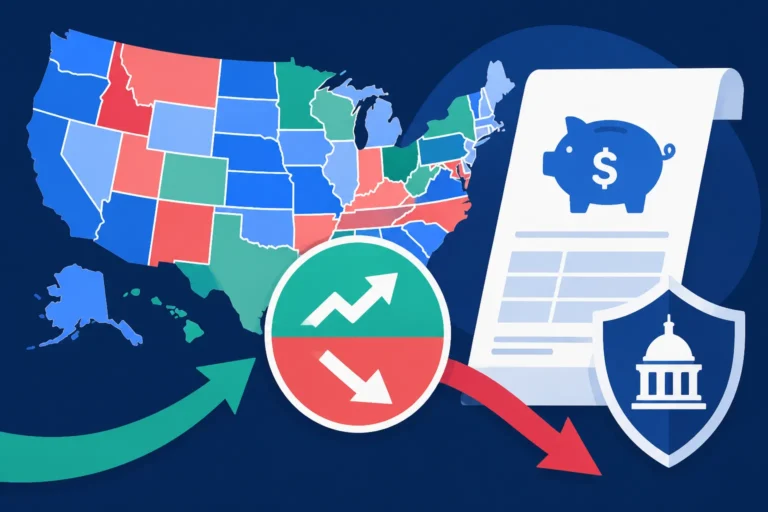
The concept of "total tax burden" is essential here. This refers to the total amount of taxes paid by residents (income, property, sales, and others) as a percentage of their personal income. While Florida has no income tax, its reliance on property and sales taxes means its total tax burden isn't necessarily the lowest in the nation. It often hovers around the national average or slightly below, depending on the specific methodology and data points used by various analyses.
The absence of a state income tax means Florida relies heavily on these other taxes, and tourist taxes, to fund its robust infrastructure, public education system, and state services that residents and visitors enjoy. So, while you might not see an income tax deduction on your paycheck, you contribute to these services through your shopping, dining, and housing costs. This is an important distinction to make, and understanding the overall State Tax Burden by State 2026 helps put Florida's individual tax policies into perspective. It means that while you save big on income, other costs might eat into those savings. This is especially true if you own an expensive home in a high-demand area, or if you spend a lot on taxable goods and services. For retirees, the tax picture can be even more favorable since Social Security benefits and most pensions are not taxed at the state level, directly impacting the effective tax rate for them. Furthermore, it's worth understanding the difference between your state and State Income Tax vs Federal Income Tax to fully grasp your overall tax obligations.
Is Florida Truly Tax-Friendly for You? Practical Considerations
Deciding whether Florida is "tax-friendly" is a deeply personal decision, as what works for one individual or family might not be ideal for another. It goes beyond just looking at percentages on a spreadsheet; it involves considering your entire financial situation, your lifestyle, and your long-term goals.
Weighing the Pros and Cons
The clear pro is the absence of a state income tax. This is undeniable and offers substantial savings, particularly for high-income earners, investors, and retirees receiving untaxed pension or 401(k)/IRA distributions. For many, keeping 100% of their earned income (after federal taxes) is a game-changer, allowing for greater savings, investment, or discretionary spending. It streamlines tax filing by eliminating one major state form.
However, the cons often come in the form of higher property taxes, especially if you live in a desirable or high-value area, or if you purchase a new home that hasn't benefited from years of "Save Our Homes" cap protections. Homeowners insurance, particularly in hurricane-prone coastal regions, can also be significantly higher than in other states. The sales tax, while not the highest, is applied to most goods and services, so frequent shoppers or those making large purchases will notice it. For some, the combination of these other taxes can sometimes negate some of the income tax savings, especially for lower-income individuals who may not benefit as much from the income tax exemption but still face property and sales taxes.
Consider a young professional with a modest income. While they'd save on state income tax, their overall budget might be more impacted by the cost of housing (and thus property taxes, even if paid through rent), sales taxes on everyday purchases, and potentially higher insurance costs. On the other hand, a high-earning entrepreneur or a retiree with a substantial pension would likely see the income tax savings far outweigh these other costs. For many people, determining if Do Retirees Pay State Income Tax? is relevant in Florida is a key part of their decision-making.
Factors Beyond Taxes: Cost of Living and Lifestyle
Beyond the direct tax implications, it's vital to consider the broader cost of living and how it intertwines with your lifestyle in Florida. While the tax picture might look appealing, other expenses can quickly add up. Housing costs, while varying wildly across the state, can be substantial in popular metros like Miami, Orlando, or Tampa. Even if you save on property tax through the homestead exemption, the sheer price of homes in these areas can be a barrier.
Then there are utility costs, especially for air conditioning during the long, hot summers. Insurance rates, not just for homes but also for vehicles (due to higher accident rates and uninsured drivers in some areas), can be higher than the national average. Transportation costs, gas prices, and the expense of maintaining a vehicle in a spread-out state can also impact your budget. And don't forget the occasional cost of hurricane preparedness or recovery.
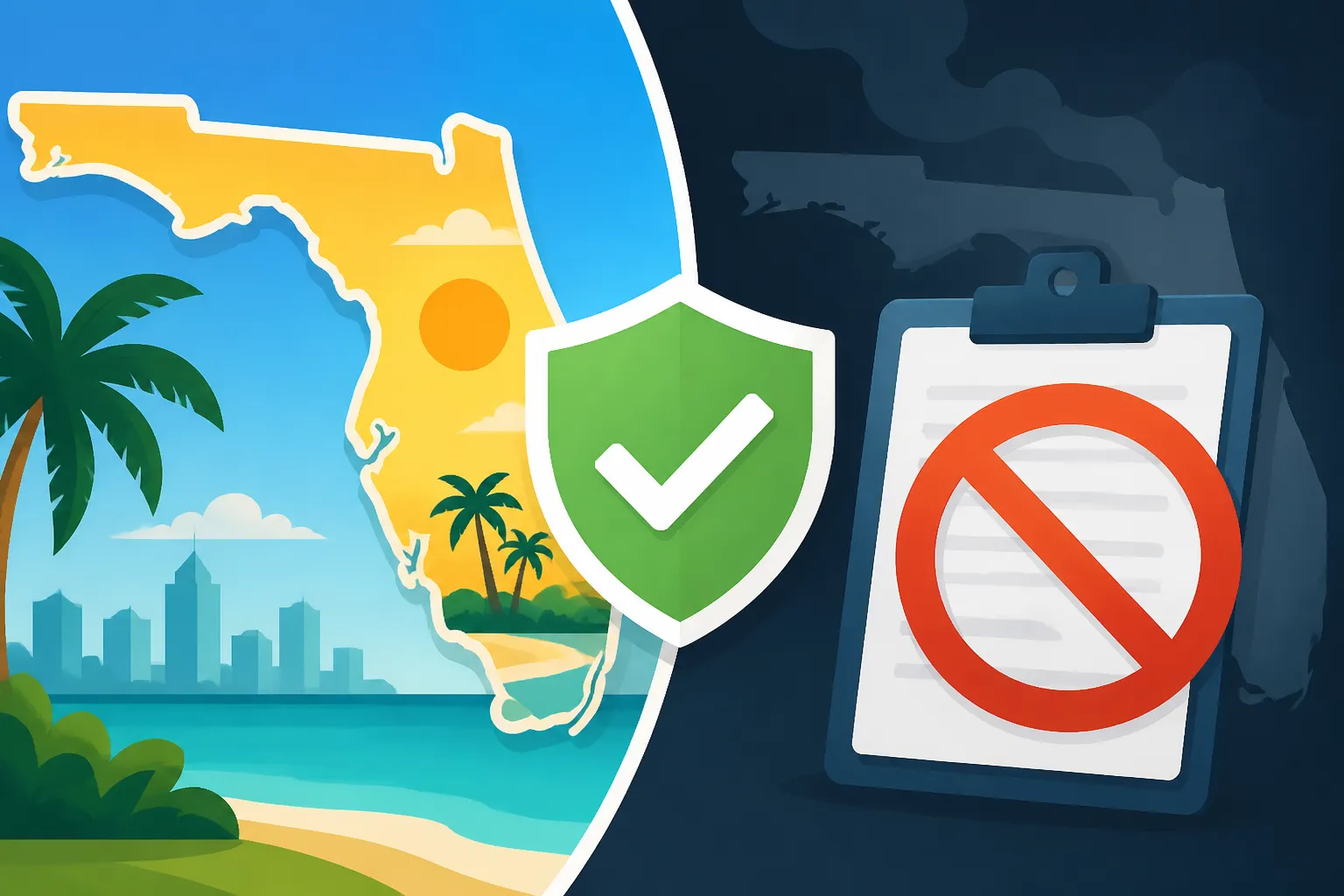
Ultimately, Florida offers a distinct financial advantage with its lack of state income tax, making it a very tax-friendly state for many, particularly high earners and retirees. However, it's not a complete tax-free ride. You need to carefully evaluate how property taxes, sales taxes, and other living expenses will affect your personal bottom line. Tools from financial experts like SmartAsset often include calculators for total tax burden, which can be immensely helpful. Before making a move, crunch your numbers for the full picture, comparing not just taxes but the entire Cost of Living vs Taxes by State.
Here’s a quick overview of Florida’s tax landscape:
| Tax Type | Florida Policy | Key Considerations |
|---|---|---|
| State Income Tax | 0% (None) | Huge benefit for wage earners, retirees, investors. Significantly boosts take-home pay. |
| Property Tax | Local level (county/city). Rates vary widely. | Can be high, especially in desirable areas. Homestead exemption ($50K) and "Save Our Homes" cap provide relief. |
| Sales Tax | 6% statewide, plus local discretionary surtaxes (0.5% – 2.5%). | Combined rate often 6.5% – 8.5%. Exemptions for groceries, medicine. Applies to most goods and many services. |
| Estate Tax | None | No state tax on inherited wealth. Federal estate tax rules still apply. |
| Inheritance Tax | None | Beneficiaries pay no state tax on inherited assets. |
| Intangible Tax | None | No state tax on financial assets like stocks, bonds. Favorable for investors. |
| Retirement Income | Not taxed at the state level (Pensions, 401k/IRA withdrawals, Social Security). | Extremely favorable for retirees; more of their retirement income is preserved. |
Disclaimer
This guide is intended for informational purposes only and does not constitute financial, tax, or legal advice. Tax laws are complex and can change frequently. Always consult with a qualified tax professional or financial advisor for personalized advice regarding your specific situation.