State Income Tax vs Federal Income Tax
State income tax and federal income tax differ in jurisdiction, administration, and public services funded for the 2026 tax year.
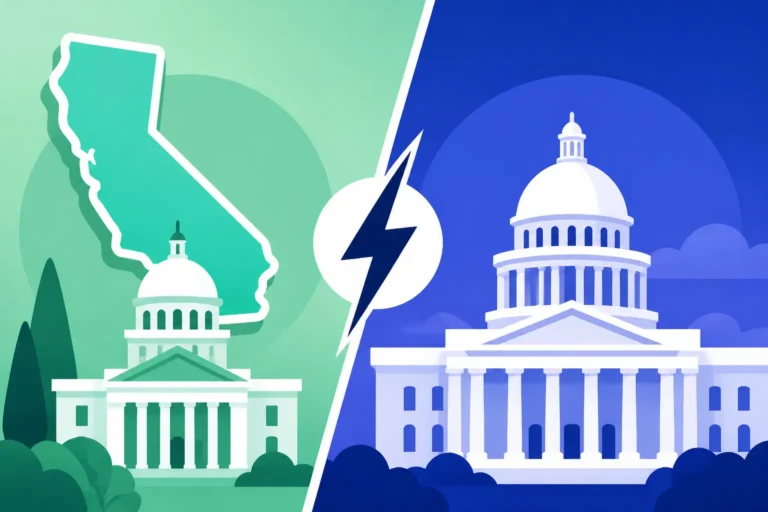
State income tax and federal income tax differ in jurisdiction, administration, and public services funded for the 2026 tax year.
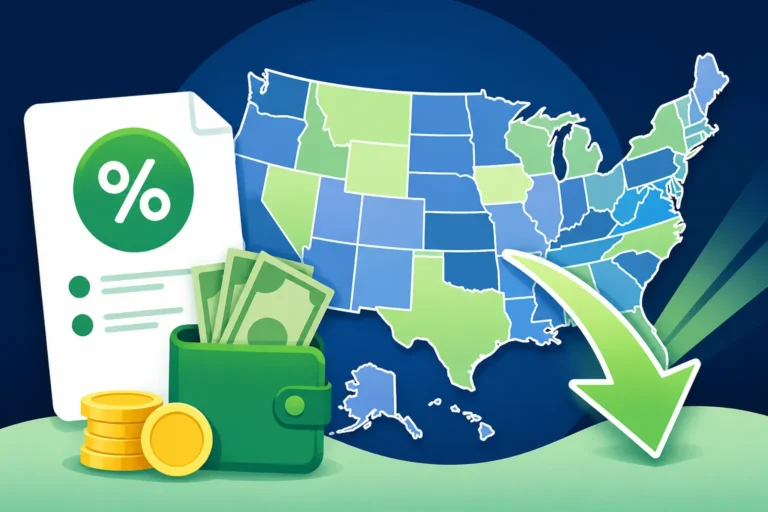
State income tax cuts and flat tax transitions for 2026 alter take-home pay and tax structures across multiple states like North Carolina and Indiana.

Local income taxes in seventeen states apply to residents and commuters, funding police, fire departments, and local roads.
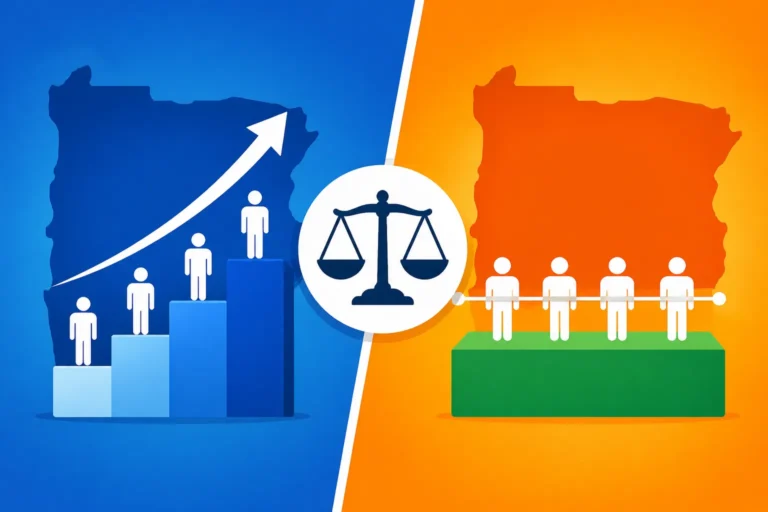
Graduated and flat state income tax models differ in brackets, mechanics, and costs for taxpayers moving between regions.
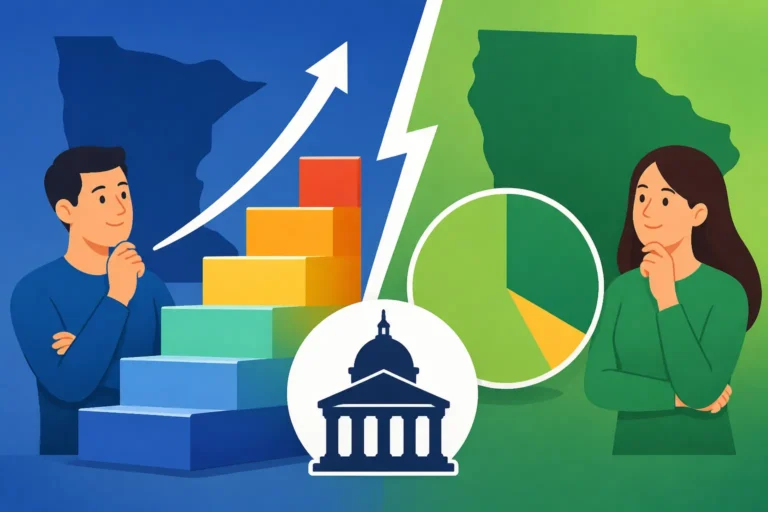
State tax brackets, progressive systems, and marginal versus effective rates determine how state income taxes affect your earnings.
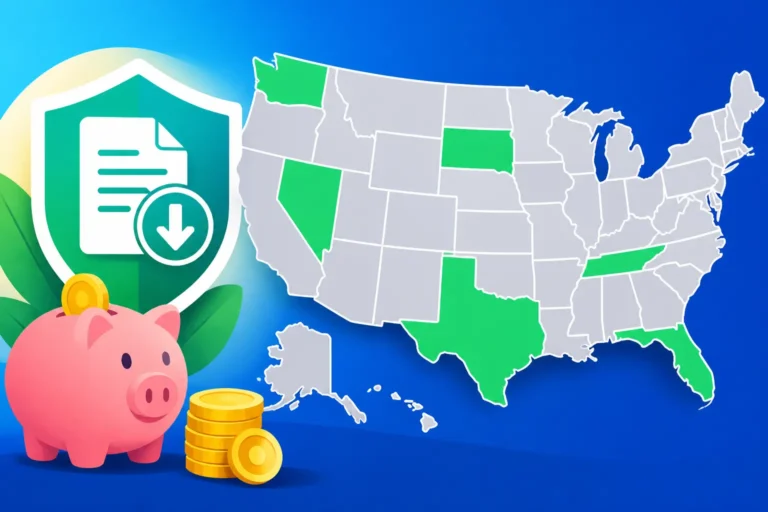
The lowest income tax states in 2026 and flat tax models help workers identify where take-home pay goes further and rates fall below 4 percent.

State income tax rates for 2026, progressive versus flat brackets, and top marginal percentages in California and New York.
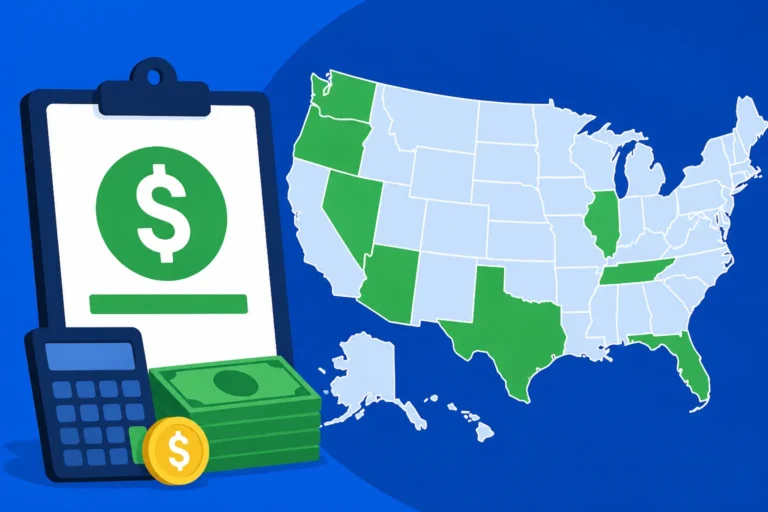
Every state using a flat income tax in 2026 and how single rates affect take home pay, budgeting, and financial planning.
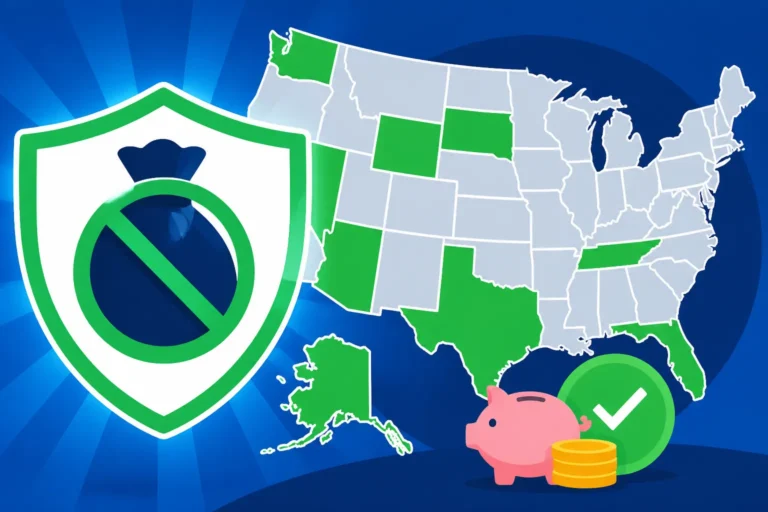
The nine states with no personal income tax in 2026, including Alaska, Florida, and Texas, alongside their real-world trade-offs.
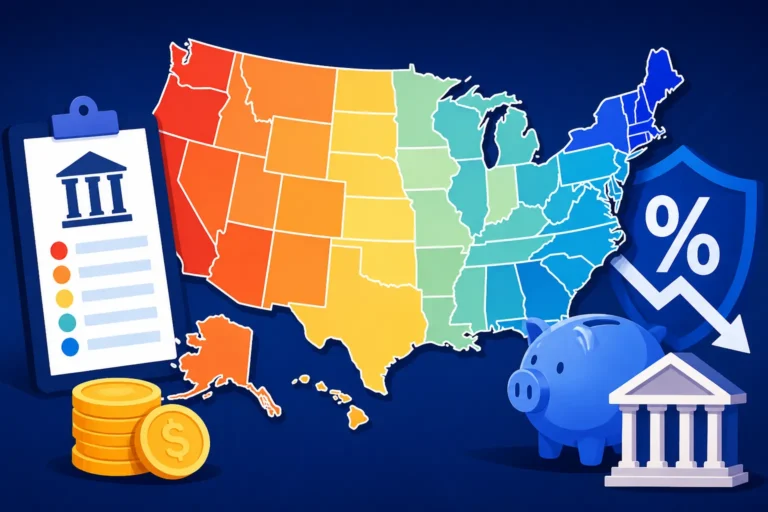
State income tax rates for all 50 states in 2026 are ranked, explaining how tax systems and inflation adjustments affect pay.