Does Tennessee Have State Income Tax?
Moving to a new state or planning your financial future often leads to a frantic search for how much of your paycheck will actually land in your bank account. The confusion surrounding state-level obligations can be overwhelming, especially when you hear conflicting reports about "tax-free" havens. This guide provides a definitive look at Tennessee’s tax structure to help you navigate your move or investment strategy with total clarity.
The Definitive Status of Income Tax in Tennessee
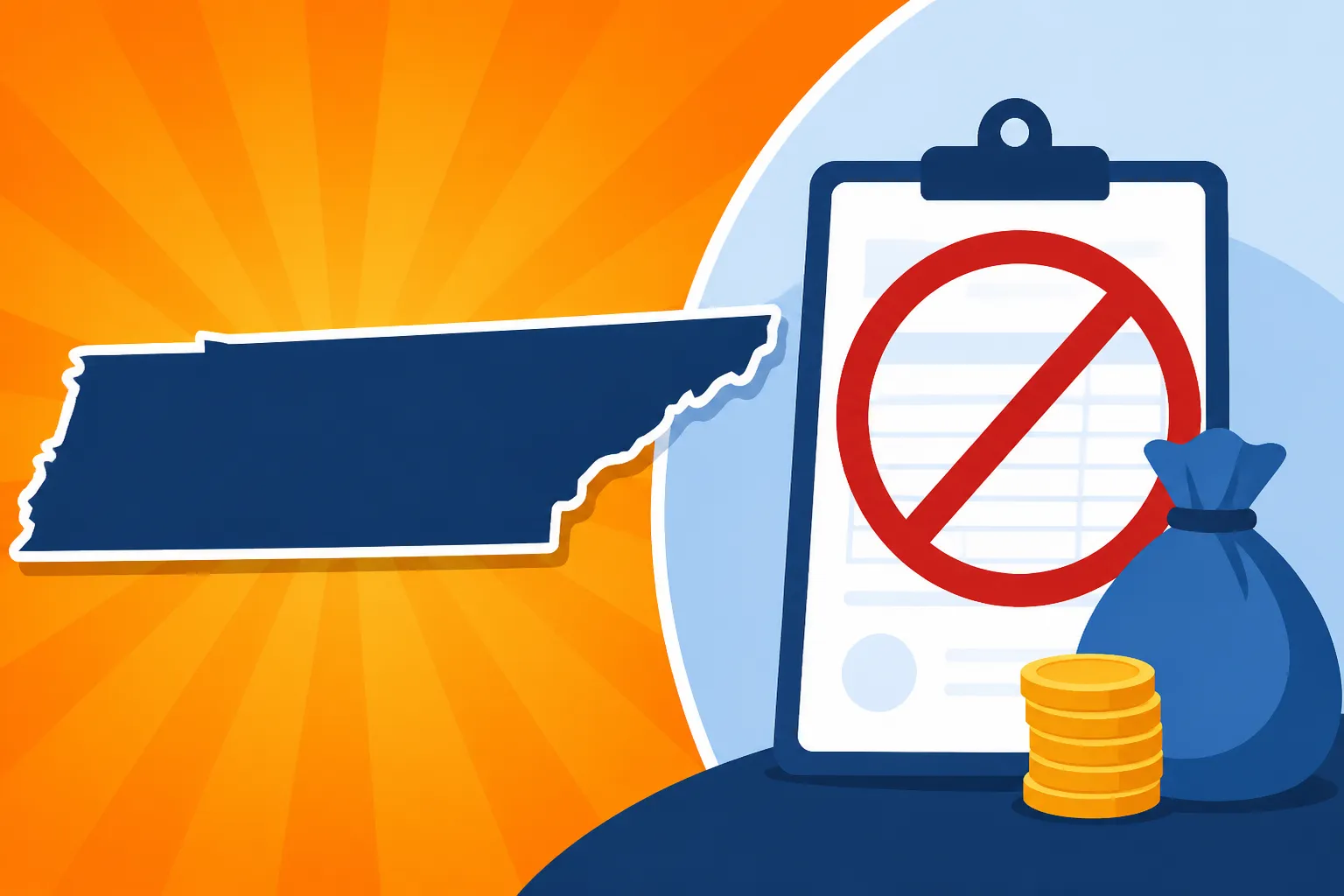
If you are looking for a simple "yes" or "no" regarding whether the Volunteer State will take a slice of your hard-earned salary, the answer is a resounding no. Tennessee stands firmly as one of the few states in the union that does not impose a personal income tax on wages or salaries. This isn't just a temporary policy or a lucky break; it is a deeply ingrained part of the state's financial identity, reinforced by both legislative action and constitutional mandates.
For decades, Tennessee had a bit of a "yeah, but" situation. While they didn't tax your paycheck, they did tax your "unearned" income—specifically interest from bonds and notes and dividends from stock. This was known as the Hall Income Tax. However, after years of phased reductions, the Hall Income Tax was fully repealed on January 1, 2021. Today, whether you are earning a million dollars a year in a high-rise in Nashville or working a retail job in Jackson, the state government does not touch your earnings. You can see how this compares to the rest of the country by looking at the States With No Income Tax (2026 Full List).
The stability of this "no-tax" status is one of the biggest draws for people relocating from high-tax jurisdictions like California or New York. In 2014, Tennessee voters even went a step further by passing a constitutional amendment that prohibits the state legislature from ever levying a state or local income tax on personal earnings. This means that for a state income tax to be introduced, the state would essentially have to go through a massive, multi-year process to change the state constitution again, which is a very high hurdle to clear.
Understanding the Trade-off: The High Sales Tax Reality
While the lack of an income tax sounds like a dream, the state still needs to fund its schools, roads, and emergency services. In Tennessee, the primary engine for this revenue is the sales tax. This is where the "realistic" side of lifestyle blogging comes in: what the state gives with one hand, it often takes with the other. Tennessee has one of the highest combined sales tax rates in the United States.
The state-level sales tax rate is currently 7%. However, that is rarely the final number you see on your receipt. Local municipalities—cities and counties—are allowed to add their own local option sales tax, which usually ranges from 1.5% to 2.75%. In popular areas like Nashville (Davidson County) or Memphis (Shelby County), the combined rate often hits 9.25% or even 9.75%. If you use a tool like SmartAsset to compare these rates to other states, you’ll quickly see that while your paycheck is bigger, your grocery and shopping bills will likely be higher than you’re used to.
Another point of frustration for many new residents is that Tennessee is one of the few states that still taxes groceries. While the state has occasionally implemented "tax holidays" or slight reductions for food items (the state rate on food is often 4%, but local taxes still apply), you are still paying a significant premium on the basic necessities of life. For a family of four, that 9%+ tax on every gallon of milk and loaf of bread adds up significantly over the course of a year. When asking Is It Cheaper to Live in a State With No Income Tax?, the answer often depends heavily on your spending habits versus your earning power.
How Tennessee Compares to Other Tax-Friendly States
When people think about moving for tax reasons, Tennessee is usually on a shortlist alongside Florida, Texas, and Nevada. Each of these states has a unique personality and a different way of balancing the books. Tennessee is often viewed as the "middle ground" of the South. It doesn't have the tropical climate of Florida or the massive geographic scale of Texas, but it offers a robust economy and a very high quality of life.
| Feature | Tennessee | Florida | Texas |
|---|---|---|---|
| State Income Tax | None | None | None |
| State Sales Tax | 7.00% | 6.00% | 6.25% |
| Average Local Sales Tax | 2.55% | 1.02% | 1.95% |
| Groceries Taxed? | Yes (Reduced Rate) | No | No |
| Property Tax Burdens | Low to Moderate | Moderate | High |
| Corporate Income Tax | 6.5% (Franchise/Excise) | 5.5% | None (Franchise Tax) |
As you can see, the Does Florida Have State Income Tax? and Does Texas Have State Income Tax? questions both yield the same "no" as Tennessee, but the secondary costs vary wildly. Texas, for instance, is notorious for having very high property taxes to compensate for its lack of income tax. Tennessee, by comparison, tends to have much more manageable property tax rates, which can make it a more attractive option for homeowners who don't want to be "renting" their own house from the government every year.
When you use the comparison tools on SmartAsset, you can input your specific salary and home value to see which state actually leaves more money in your pocket. For a high-earner with a relatively modest lifestyle, Tennessee’s high sales tax is a minor inconvenience compared to the massive savings on income tax. However, for a lower-income family that spends a high percentage of their earnings on taxable goods, the "no income tax" benefit can sometimes be offset by the high cost of consumption.
Retirement and Investment: Is Tennessee a Haven?
If you are reaching the end of your career and looking for a place to park your nest egg, Tennessee is frequently cited as one of the best choices in the country. Because there is no state income tax, your retirement distributions are largely protected from the state's reach. This is a massive relief for those who have spent decades diligently contributing to their 401(k)s and IRAs.
Specifically, Tennessee does not tax Social Security benefits. This is a huge win, as many other states still include a portion of these benefits in their taxable income base. Furthermore, because the Hall Income Tax was repealed, you no longer have to worry about the state taking a bite out of your dividend checks or the interest you earn on your savings accounts. This makes Tennessee an ideal location for those living off an investment portfolio. You can dive deeper into this by reading Does Tennessee Tax Retirement Income? to see the specific exclusions.
For those concerned about the "death tax," Tennessee is also quite friendly. The state repealed its inheritance tax years ago, and there is no state-level estate tax. This allows you to pass on your wealth to the next generation without the state government taking a significant cut. When compared to the State Tax Burden by State 2026, Tennessee consistently ranks as one of the most favorable environments for preserving and transferring wealth.
The Reality of Property Taxes in the Volunteer State
One of the most common fears when moving to a state with no income tax is that the property taxes will be astronomical. People often look at states like New Hampshire or Texas and see property tax bills that look like a second mortgage. Fortunately, Tennessee has managed to keep its property taxes relatively low compared to the national average.
Property taxes in Tennessee are handled entirely at the local level (county and city). There is no state-level property tax on real estate. Each year, your local county commission and city council set a "tax rate" based on the needs of their budget. Your property is then assessed at 25% of its fair market value for residential properties. This "assessment ratio" is a key factor that keeps the actual bill lower than you might expect.
For example, if you own a home in a beautiful suburb of Nashville like Franklin or Brentwood, your property taxes will certainly be higher than in a rural part of West Tennessee. However, even in these high-demand areas, the total tax bill is often significantly lower than what you would pay for a similarly valued home in New Jersey or Illinois. Many retirees find that they can afford a much larger or more luxurious home in Tennessee simply because the ongoing tax burden is so much lighter. If you're coming from a high-tax state, checking a site like SmartAsset for a local property tax calculator can be a real eye-opener.
Remote Work and Multi-State Tax Issues
In the era of the home office, many people are moving to Tennessee while keeping their jobs in other states. This is where things can get a little tricky. Just because Tennessee doesn't have an income tax doesn't mean your "work state" won't try to claim a piece of your check. This is a common point of frustration for remote workers who think they are getting a "tax-free" salary only to find out their employer is still withholding taxes for their headquarters' state.
If you live in Tennessee but work for a company based in a state like New York or Nebraska, you might fall under the "convenience of the employer" rule. Some states argue that if your company is located there, and you are working remotely for your own convenience rather than out of necessity for the company, you still owe that state income tax. This can lead to a situation where you are paying a high state tax to a place you don't even live.
Before you pack the moving truck, it is vital to understand the State Tax Residency Rules Explained for your specific situation. You will want to ensure that your employer officially changes your "work location" to your Tennessee address. Since Tennessee has no income tax, there is no state-to-state reciprocity agreement needed to avoid double taxation—you simply won't owe Tennessee anything. However, you must be diligent about ending your residency in your previous state to ensure they don't continue to view you as a "statutory resident." Learning How to Establish Residency in Tennessee for Taxes is a crucial first step in protecting your "tax-free" status.
Business Ownership and the Franchise/Excise Tax
While individuals enjoy a tax-free existence on their personal earnings, business owners in Tennessee have a different set of rules to follow. If you are planning on starting a business or moving an existing corporation to the state, you need to be aware of the Franchise and Excise (F&E) taxes.
The "Excise Tax" is essentially a corporate income tax. It is currently set at 6.5% of the net earnings from business done within the state. The "Franchise Tax" is a tax on the greater of the business's net worth or the book value of real and tangible personal property owned or used in Tennessee. For many small business owners operating as an LLC or a S-Corp, these taxes can be a surprising addition to their overhead.
However, there are exemptions for "Family Limited Partnerships" and certain types of small, family-owned businesses that primarily engage in passive investment or farming. It’s always a good idea to consult with a local CPA or use resources like SmartAsset to model your business's potential tax liability before filing your articles of organization with the Secretary of State. Tennessee is very pro-business, but they do expect companies to contribute to the infrastructure that allows them to thrive.
The Impact of "Privilege Taxes" and Other Fees
Finally, it’s worth noting that Tennessee has a few unique "fees" that act as soft taxes. One of the most famous (or infamous) is the Professional Privilege Tax. This is an annual $400 tax charged to individuals licensed in certain professions. While the list of professions subject to this tax has been drastically reduced in recent years, it still applies to:
- Attorneys
- Lobbyists
- Agents and Broker-Dealers (Securities)
- Physicians
- Osteopathic Physicians
If you are a lawyer moving to Nashville to work in the music industry or a doctor joining a practice in Memphis, you'll need to budget for this annual "privilege" of practicing your craft in the state. Additionally, Tennessee has some of the higher gasoline taxes in the region, which is another way the state funds the Department of Transportation without an income tax. While it might only be a few cents more per gallon than in neighboring states, it's another reminder that the "tax-free" life requires revenue from other sources.
When you look at the big picture, most people find the trade-off to be incredibly favorable. If you are comparing Which States Have No Sales or Income Tax?, you will find that there are very few places that offer the same balance of economic growth and low personal tax burden as Tennessee.
State Tax Comparison and Summary
To help you visualize where your money goes, here is a comparison of the key tax features in Tennessee versus its neighbors and other popular "no-tax" states.
| State | Personal Income Tax | Max Combined Sales Tax | Property Tax Rank (1=Highest) | Social Security Taxed? |
|---|---|---|---|---|
| Tennessee | 0% | 9.75% | 37 | No |
| Kentucky | 4.0% (Flat) | 6.00% | 29 | No |
| North Carolina | 4.25% (Flat) | 7.50% | 31 | No |
| Mississippi | 4.0% – 5.0% | 8.00% | 36 | No |
| Georgia | 5.39% (Flat) | 9.00% | 26 | No |
| Nevada | 0% | 8.38% | 41 | No |
As the table illustrates, Tennessee’s lack of income tax is its primary weapon in the fight for new residents, even if its sales tax is significantly higher than neighboring Kentucky or North Carolina. For high earners, the math almost always favors Tennessee. For someone making $100,000, saving 4-5% in state income tax ($4,000 to $5,000) far outweighs the extra few hundred dollars spent on sales tax throughout the year.
State Income Tax Disclaimer
The information provided in this article is for informational purposes only and does not constitute professional tax, legal, or financial advice. Tax laws, including rates, exemptions, and residency requirements, are subject to change by state legislatures and local governments. While every effort has been made to ensure accuracy, you should always consult with a qualified tax professional or the Tennessee Department of Revenue before making significant financial decisions or relocating. Individual tax situations vary based on income sources, spending habits, and multi-state residency factors.