Tennessee Standard Deduction 2026
It can be incredibly confusing trying to wrap your head around state taxes, especially when you hear different things about your home state. Many folks in Tennessee, or those considering a move here, often wonder about things like the "Tennessee Standard Deduction for 2026." It's a natural question, but the answer might surprise you and is rooted deeply in how the Volunteer State chooses to fund its public services. This guide aims to clear up that confusion and give you a comprehensive understanding of Tennessee's unique tax landscape for the upcoming year.
Unpacking Tennessee's Unique Tax Landscape: Why No "Standard Deduction" for Wages?
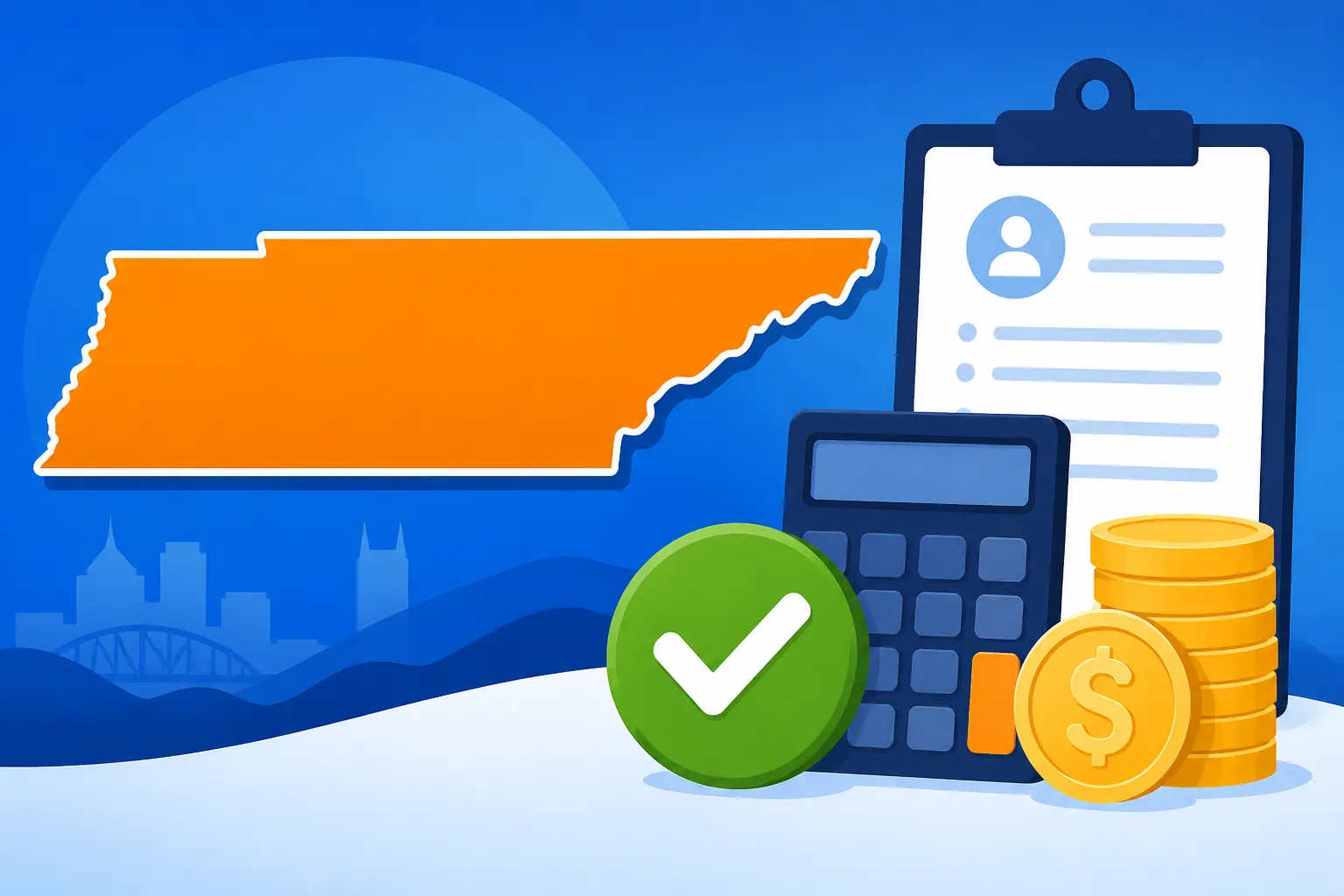
Let's get right to the heart of it: for most residents, the concept of a state standard deduction for income tax doesn't really apply in Tennessee in the way it does in states like New York or California. This isn't because Tennessee has a particularly complex or obscure deduction system; it's because, for the vast majority of your earned income (like wages, salaries, and business profits), Tennessee doesn't impose a state income tax at all.
This fundamental difference is often a huge draw for people considering a move to the state. When you hear about standard deductions, they're typically an allowance you can subtract from your taxable income to reduce the amount of tax you owe to the state. If the state doesn't tax that income in the first place, then there's simply no need for a standard deduction in that context. It’s like asking for a discount on a product that’s already free.
The Ghost of the Hall Income Tax: A Brief History and Its Demise
For a long time, Tennessee was one of the few states that had a very specific, limited income tax often referred to as the "Hall Income Tax." This tax wasn't on wages or salaries, which is what most people think of when they hear "income tax." Instead, it applied to income derived from interest and dividends. This meant if you had significant investments generating this type of income, you'd find yourself paying a small percentage to the state.
However, the Hall Income Tax has officially been phased out. The rate gradually decreased over several years, finally reaching zero for tax years beginning on or after January 1, 2021. This means that for 2026, and indeed since 2021, Tennessee residents generally do not pay state income tax on any form of income, including interest and dividends. So, when people ask, "Does Tennessee Have State Income Tax?", the answer for practical purposes for most individuals is "no." This historical context is vital because it explains why some might still recall Tennessee having some form of income tax, even if it's no longer applicable to most people's financial lives. This complete repeal further solidifies the absence of a need for a state-level standard deduction for individual income.
What No State Income Tax (for Wages) Really Means for Deductions
The absence of a statewide income tax on wages and salaries in Tennessee means that you won't be navigating state-specific tax brackets or trying to figure out if you should take the state's standard deduction versus itemizing, as you would in many other states. This simplifies things dramatically for many individuals. You're not reporting your gross income to the state of Tennessee for taxation purposes, and therefore, you're not looking for ways to reduce that reported income through deductions.
Think about it this way: when you fill out your federal income tax return, you calculate your Adjusted Gross Income (AGI), then choose between the federal standard deduction or itemized deductions to arrive at your taxable income. For Tennessee, because there's no state income tax on wages, salaries, or most other personal income, you simply bypass this entire calculation process at the state level. You generally won't file a state income tax return for personal income in Tennessee, meaning there's no form to fill out where you'd even claim a standard deduction. This can be a huge relief for many taxpayers who find the federal tax system complicated enough.
When a "Deduction" Might Still Come Up in Tennessee Tax Context
While the standard deduction for personal income is largely irrelevant in Tennessee, it's crucial not to mistake "no state income tax" for "no taxes at all." The state still collects revenue, just through different means. You might encounter concepts similar to "deductions" in other areas, though they won't be referred to as a "standard deduction" for personal income. For instance, businesses operating in Tennessee do face certain taxes and may have their own deductions and credits applicable to specific business activities.
For example, a business might deduct operating expenses before calculating its franchise and excise tax liability. Similarly, local property taxes might have exemptions for certain groups, like seniors or disabled veterans, which function somewhat like deductions by reducing the taxable value of a property. These are specific to certain tax types or situations and are not equivalent to a general individual income tax standard deduction. It's important to remember that tax planning in Tennessee shifts from optimizing income tax deductions to managing these other significant tax burdens. If you're running a business, consulting with a tax professional who understands Tennessee's specific business tax code is always a smart move to ensure you're taking advantage of any applicable reductions.
Beyond Income: Other Taxes You'll Encounter in Tennessee
Since Tennessee doesn't tax your wages, salaries, or most retirement income, how does the state fund its roads, schools, and public services? The answer lies in a reliance on other forms of taxation. Understanding these is key to grasping the full picture of your tax burden in the state, even without a state income tax or its corresponding standard deduction.
This shift in tax burden means that while you might save on income tax, you'll feel the impact in other areas. It's why many people find it helpful to look at the overall "tax burden by state" when considering a move, rather than just focusing on income tax alone. For example, comparing the overall tax landscape can help you decide if it's truly Is Florida Tax Friendly for Workers? or if another state with no income tax might be a better fit for your personal financial situation.
Property Taxes: A Major Consideration
One of the most significant taxes you'll encounter in Tennessee is property tax. Unlike some states where property taxes are relatively low, they can be a substantial part of your annual financial outlay in many parts of Tennessee. The amount you pay depends heavily on where you live within the state, as property taxes are assessed and collected at the local level (county and sometimes city). For instance, property taxes in a bustling city like Nashville or its surrounding counties might be considerably higher than in a more rural area.
These taxes fund local services like schools, police, fire departments, and local infrastructure. Because there's no state income tax, local governments often rely more heavily on property taxes to fund these essential services. This means that if you're a homeowner or planning to buy property in Tennessee, you'll need to factor property taxes into your budget much more prominently than you might in a state with a high income tax but lower property taxes. It's a common misconception that "no income tax" automatically means "low taxes overall." The reality often points to a higher reliance on sales and property taxes to make up the difference. Understanding these dynamics is crucial when evaluating the real cost of living and owning property in the state, and can certainly impact whether Tennessee makes sense for your financial goals, especially when considering Highest vs Lowest Property Tax… wait State Income Comparison across states.
Sales Tax: The Volunteer State's Primary Revenue Driver
Tennessee has one of the highest combined state and local sales tax rates in the nation. The state sales tax rate is 7%, but local jurisdictions add their own rates, which can push the combined rate as high as 9.75% in some areas. This means that almost every time you buy something – from groceries and clothes to electronics and restaurant meals – you'll be paying a significant chunk in sales tax.
For many Tennessee residents, sales tax becomes the most visible and frequently paid tax. Unlike income tax, which is often withheld from your paycheck, sales tax is paid incrementally with every purchase, making its impact felt daily. This high sales tax rate is a direct consequence of the state's choice not to levy a broad income tax. The state needs revenue, and if it's not coming from income, it has to come from consumption. This structure can disproportionately affect lower-income individuals who spend a larger percentage of their income on taxable goods and services, as well as anyone who makes frequent large purchases. It's a trade-off that is important to consider when evaluating the overall tax burden and comparing it to states with different tax structures.
Business and Franchise Taxes: For the Entrepreneurs
If you're an entrepreneur or own a business in Tennessee, you'll encounter specific taxes beyond personal income. The primary ones are the franchise tax and the excise tax. The franchise tax is based on the greater of a business's net worth or the book value of its real and tangible personal property owned or used in Tennessee. The excise tax, on the other hand, is levied on the net earnings of the business.
These taxes apply to various types of businesses, including corporations, limited liability companies (LLCs), and partnerships. While they are distinct from individual income tax, they are still a form of business income taxation. Business owners will need to understand these obligations, file specific forms with the Tennessee Department of Revenue, and ensure they are compliant. Just as individuals in other states look for deductions to reduce their income tax, businesses in Tennessee will look for legitimate deductions and credits to minimize their franchise and excise tax liability. This highlights that while individual wage earners might not deal with state income tax, the state still taxes commercial activities to generate revenue.
Navigating Your Tax Situation in a No-Income-Tax State
Living in a state without a personal income tax, like Tennessee, offers certain financial advantages, but it also means your tax planning might look a little different. Instead of focusing on reducing your state taxable income, you'll shift your attention to other areas where your money goes. This requires a proactive approach and a good understanding of all the taxes that do apply to you.
| Tax Type | Applies to Tennessee Residents | Primary Collection Level | Key Considerations |
|---|---|---|---|
| Individual Income Tax | No (on wages, salaries, interest, dividends) | State | Major draw for residents; simplifies personal tax filing. |
| Property Tax | Yes (for homeowners) | Local (County/City) | Can vary widely; significant cost for homeowners. |
| Sales Tax | Yes (on most goods and services) | State & Local | Among the highest combined rates in the nation; impacts daily spending. |
| Retirement Income Tax | No (pensions, 401k, IRA, SS) | State | Very retiree-friendly in this regard. |
| Estate Tax | No | State | No state estate or inheritance taxes. |
| Franchise & Excise Tax | Yes (for businesses) | State | Applicable to most businesses operating in TN. |
Strategic Planning for Tennessee Residents
Even without a state income tax, smart financial planning is essential. Your strategy might involve maximizing deductions on your federal income tax return, looking into local property tax exemptions you might qualify for, or being mindful of your spending habits to mitigate the impact of the high sales tax. For example, if you're a retiree, Tennessee can be incredibly appealing because it's one of the States That Don't Tax Pensions (2027) and generally doesn't tax other forms of retirement income either. This makes it one of the Most Tax-Friendly States for Retirees 2027.
Consider the larger picture: a state with no income tax might have higher property taxes or sales taxes. This means large purchases, like a new car or home renovations, will incur a heftier sales tax bill. Living frugally can help, but for big-ticket items, planning for that higher sales tax is crucial. Also, if you work remotely for an employer in a state with income tax, understanding Remote Work State Taxes & Convenience of the Employer rules is vital, as you might still have tax obligations to that other state. Don't assume that because you live in Tennessee, all your income is automatically tax-free at the state level.
Resources and Tools to Help You Understand Your Tax Burden
Navigating the nuances of state taxes, even in a "no income tax" state, can still be a challenge. Thankfully, there are many resources available to help you understand your specific situation. The Tennessee Department of Revenue website is your official source for state-specific tax information, forms, and updates, particularly concerning property and sales tax. They offer detailed guides on these topics and information for businesses on their specific tax obligations.
Beyond official government sites, financial planning tools and tax software can be incredibly useful. Platforms like TurboTax can help you manage your federal return, and while they won't typically generate a Tennessee state income tax return for wages, they can help you understand how your federal deductions might indirectly benefit your overall financial picture. Websites like SmartAsset also provide valuable comparison tools and articles that break down tax burdens by state, helping you see how Tennessee stacks up against other states across different tax categories. Utilizing these resources can empower you to make informed financial decisions, whether you're just starting out or planning for retirement. Understanding how these platforms help with your How to File State Taxes: Complete Guide is essential, even if you're only dealing with federal for personal income.
Comparing Tennessee to Other Tax-Friendly States
When considering Tennessee's tax structure, it's natural to compare it to other states. Many people look at states with no income tax, like Florida, Texas, or Washington, for similar benefits. While Tennessee shares the "no income tax" characteristic with these states, the mix of other taxes can differ significantly. For instance, while Tennessee has a high sales tax, Texas has no state property tax, but relies on local property taxes that can be quite high. States With No Income Tax (2026 Full List) will show you the full spectrum, but the devil is always in the details of the other taxes.
For example, someone moving from a high-income tax state like California might find Tennessee's overall tax burden much lighter, especially if their income is high. However, if their primary expenses are highly taxed consumption, the savings might not be as dramatic as they initially assumed. Similarly, if you are a high earner primarily worried about income tax, a state like Tennessee or Nevada might seem like a paradise. However, if you're a low-income earner, the high sales tax rate might actually feel more burdensome than a progressive income tax with a generous State Earned Income Tax Credits EITC Guide in another state. It's a complex puzzle, and understanding the interplay between different tax types is crucial for making the best financial decisions for your specific circumstances.
Disclaimer
Please remember that tax laws are complex and can change. While we strive to provide accurate and up-to-date information for 2026, this article is intended for informational purposes only and does not constitute professional tax advice. Always consult with a qualified tax professional or financial advisor for personalized guidance regarding your specific tax situation.