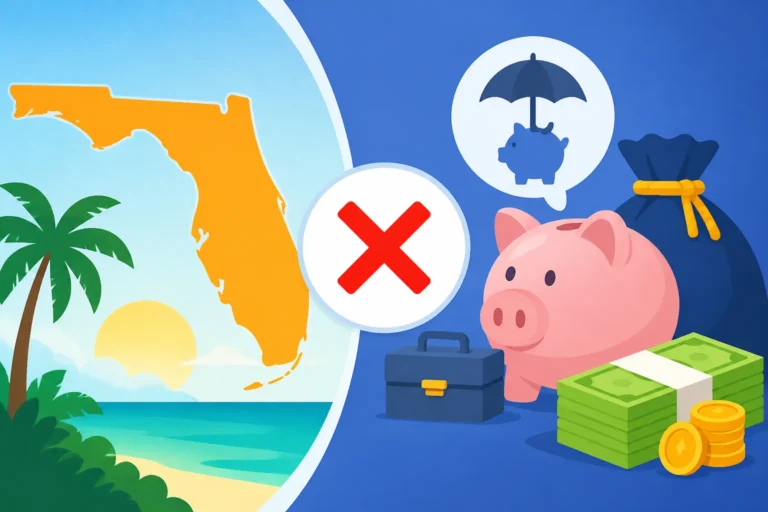
Are 401k Withdrawals Taxed in Florida?
The transition into retirement often brings a mix of excitement and a good dose of financial anxiety, especially when it comes to understanding how your hard-earned savings, like those in a 401(k), will be taxed. Many dream of a sunny retirement in Florida, but a common worry is whether moving there means your 401(k) withdrawals will suddenly become subject to state income tax. This comprehensive guide aims to clear up that confusion, giving you a crystal-clear picture of how Florida handles your retirement distributions and what you need to know to plan effectively.
The Sunshine State's Approach to Retirement Income
Florida has long been a beacon for retirees, and it’s not just the warm weather and beautiful beaches that attract them. A significant draw is the state's tax environment, particularly when it comes to income generated during your golden years. This can make a huge difference in your retirement budget, freeing up more of your money for the things you enjoy, rather than handing it over to the taxman.
No State Income Tax: The Florida Advantage
Here's the big news, and it's fantastic for retirees: Florida is one of a handful of states that does not levy a state income tax on its residents. This isn't just a minor perk; it's a fundamental aspect of Florida's tax policy that significantly impacts your financial outlook in retirement. While federal income taxes still apply, the absence of a state income tax means that your earned wages, investment income, and crucially, most forms of retirement income, escape taxation at the state level. This distinction is vital because many states have their own income tax rates, which can range from a few percentage points to over 10% on top of what you pay to the IRS. For someone relying on retirement distributions, avoiding this extra layer of taxation can be a game-changer, putting thousands of dollars back into your pocket each year. If you're comparing your options, you might be interested in our guide on States With No Income Tax (2026 Full List).
What This Means for Your 401(k) and Other Retirement Accounts
So, directly to the point: are 401(k) withdrawals taxed in Florida? The answer is a resounding no at the state level. Because Florida has no state income tax, distributions from your 401(k), traditional IRA, 403(b), 457(b), or any other qualified retirement plan are completely exempt from state income tax. This holds true whether you're taking regular distributions, lump-sum withdrawals, or even required minimum distributions (RMDs). This is one of the primary reasons why Florida is consistently ranked among the Most Tax-Friendly States for Retirees 2027.
Let's say you've diligently saved over your career, accumulating a substantial sum in your 401(k). When you begin withdrawing from it in retirement, every dollar you take out will be subject only to federal income tax, based on your income bracket with the IRS. You won't see a separate line item or calculation for Florida state income tax on those withdrawals. This applies regardless of the size of your withdrawals or your total retirement income. This benefit extends beyond just 401(k)s. Florida also doesn't tax withdrawals from IRAs, nor does it tax pension income. In fact, Florida is a standout when it comes to how it treats all forms of retirement income at the state level. Many people also wonder, Does Florida Tax Social Security?, and again, the answer is no. This means more of your retirement nest egg remains available for your living expenses, hobbies, or even just peace of mind.
Breaking Down Retirement Income in Florida
Understanding how various types of retirement income are treated in Florida is key to effective financial planning. While the lack of a state income tax is a huge benefit, it’s essential to differentiate between state and federal taxation and to consider other taxes you'll still encounter.
401(k) and IRA Withdrawals: State vs. Federal Taxes
As we've firmly established, Florida does not tax your 401(k) or IRA withdrawals. However, this doesn't mean they're tax-free entirely. These distributions are still subject to federal income tax. Think of it this way: your 401(k) and traditional IRA contributions were likely made pre-tax, meaning you received a tax deduction in the year you made them. The government gets its share when you start pulling that money out in retirement.
For instance, if you withdraw $50,000 from your traditional 401(k) in a year while living in Florida, that $50,000 will be added to your gross income for federal tax purposes. Your federal tax bracket, standard deduction, and any other federal credits or deductions will determine how much you owe the IRS. The good news is that you won't have to worry about a state income tax calculation on top of that. This is particularly beneficial for those who are used to living in states with high income taxes, such as California or New York, where these withdrawals would face both federal and significant state taxes. For a broader view, check out our guide on States That Don't Tax 401(k) & IRA Withdrawals.
Roth 401(k) and Roth IRA withdrawals are a different story, even at the federal level. Because contributions to Roth accounts are made with after-tax dollars, qualified withdrawals in retirement are entirely tax-free, federally and, of course, at the state level in Florida. This means if you have a Roth 401(k) and meet the requirements for qualified distributions (typically being at least 59½ years old and having held the account for at least five years), you can withdraw those funds in Florida without owing a single penny in state or federal income tax. This makes Roth accounts incredibly powerful tools for tax-free retirement income, especially in a state like Florida where state income tax is already zero.
Pensions, Social Security, and Other Retirement Streams
Florida's tax-friendly environment extends beyond just 401(k)s and IRAs. Let's look at other common retirement income sources:
- Pension Income: Just like 401(k)s, all forms of pension income—whether from a private company, state government, or federal government (like FERS or CSRS)—are not taxed by the state of Florida. Again, federal taxes will still apply to taxable pension income. This is a huge relief for many retirees, as pension income can be a substantial portion of their annual funds. For more details on this, you might find our article on States That Don't Tax Pensions 2026 helpful.
- Social Security Benefits: This is another big one for retirees. Florida does not tax Social Security benefits. This is a significant advantage compared to the eight states that still tax Social Security income, even if only partially. For federal tax purposes, a portion of your Social Security benefits may be taxable depending on your "combined income" (your adjusted gross income plus non-taxable interest plus one-half of your Social Security benefits). But rest assured, Florida won't take an additional bite. Our guide Does Florida Tax Retirement Income? dives deeper into the overall tax picture.
- Military Retirement Pay: For our veterans, Florida is also exceptionally tax-friendly. Military retirement pay is not subject to state income tax in Florida. This is a crucial benefit for those who have served, allowing them to keep more of their hard-earned retirement pay.
- Other Investment Income: Income from dividends, interest, and capital gains (from selling stocks, real estate, etc.) are generally not subject to state income tax in Florida either. This makes Florida attractive for those with significant investment portfolios who are concerned about states taxing their passive income.
In summary, for virtually all types of retirement income, Florida offers a complete reprieve from state-level income taxation. This comprehensive approach is a major factor in why so many individuals choose to spend their retirement years in the Sunshine State. If you're looking for a detailed breakdown, the How Each State Taxes Retirement Income (50-State Guide) can offer a broader comparison.
The Role of Other Florida Taxes
While Florida is incredibly generous regarding retirement income, it's not entirely tax-free. Like any state, it needs revenue to operate. When evaluating Florida as a retirement destination, it’s essential to consider other taxes:
- Sales Tax: Florida has a state sales tax of 6%. Local jurisdictions can add their own sales taxes, which can bring the combined rate up to 7.5% in some areas. This tax applies to most goods and many services. Groceries and prescription drugs are generally exempt. So, while your 401(k) withdrawal isn't taxed, the new boat or furniture you buy with it likely will be.
- Property Taxes: Florida property taxes are often a significant consideration for homeowners. The average effective property tax rate in Florida is around 0.83% of a home's assessed value, which is slightly below the national average. However, actual rates can vary considerably by county and even within a county. For instance, a beachfront condo in Naples might have a very different tax bill than a suburban home in Orlando. Florida does offer a Homestead Exemption, which can reduce the taxable value of your primary residence by up to $50,000, providing some relief. There are also additional exemptions for seniors, disabled persons, and veterans.
- Estate Tax/Inheritance Tax: Florida does not have an estate tax or an inheritance tax. This is another major benefit for retirees planning their legacy, as assets passed on to heirs will not be subject to state-level death taxes.
So, while your income is protected, you'll still be contributing to the state's coffers through sales and property taxes. It's crucial to factor these into your overall retirement budget. Some financial planning tools, like those offered by SmartAsset, can help you calculate the total tax burden in different locations, considering all these factors, to ensure you make an informed decision about where to settle down.
Here's a quick summary of how Florida treats various income types at the state level:
| Retirement Income Type | Florida State Income Tax Treatment | Federal Income Tax Treatment |
|---|---|---|
| 401(k) Withdrawals (Traditional) | Not taxed | Taxable |
| IRA Withdrawals (Traditional) | Not taxed | Taxable |
| Roth 401(k) / IRA Withdrawals (Qualified) | Not taxed | Not taxable |
| Pension Income | Not taxed | Taxable |
| Social Security Benefits | Not taxed | Potentially taxable |
| Military Retirement Pay | Not taxed | Taxable |
| Interest and Dividends | Not taxed | Taxable |
| Capital Gains | Not taxed | Taxable |
| Earned Income (Wages) | Not taxed | Taxable |
Practical Considerations for Retiring in Florida
Moving to a new state for retirement involves more than just checking income tax laws. To fully embrace Florida's tax advantages, you'll need to establish true residency and plan your finances carefully.
Establishing Florida Domicile
The key to unlocking Florida's tax benefits is establishing legal domicile there. Simply owning property or spending a few months a year in Florida isn't enough; you must truly intend to make Florida your permanent home and demonstrate that intent. This means severing ties with your former state of residence. States with income taxes are notoriously vigilant when retirees claim to have moved to a no-income-tax state, often initiating residency audits. They want to ensure they're not losing out on tax revenue, especially from high-net-worth individuals or those with significant retirement incomes.
Here are some common steps to establish Florida domicile:
- File a Declaration of Domicile: This is a formal legal document filed with the county clerk's office in Florida, stating your intent to reside there permanently.
- Obtain a Florida Driver's License: This is a clear indicator of your new residence.
- Register Your Vehicles in Florida: Update your car registrations and license plates.
- Register to Vote in Florida: And actively vote in local and state elections.
- Open Florida Bank Accounts: Move your primary banking relationships to Florida institutions.
- Change Your Mailing Address: Update all mailing addresses, including those for bills, subscriptions, and financial institutions, to your Florida address.
- Update Your Will and Estate Documents: Ensure these documents reflect Florida law and your new domicile.
- Spend More Than Half the Year in Florida: While Florida doesn't have an explicit 183-day rule for income tax purposes (because there's no state income tax), your former state might. Spending more than 183 days a year in Florida helps cement your case that you're no longer a resident of your old state. This is especially important for states that have a "statutory residency" rule. Our article on How to Establish Florida Domicile can provide a more in-depth walkthrough.
Remember, the goal is to create a compelling trail of evidence that unequivocally shows Florida is your home. Former states, especially those with aggressive tax departments like California or New York, will look for lingering connections, such as maintaining a driver's license, voter registration, or significant property ownership (without renting it out) in their state. The more ties you cut with your previous state and build in Florida, the stronger your case for Florida domicile.
Financial Planning and Professional Guidance
Even with Florida's generous tax laws for retirees, smart financial planning is always crucial. While you're saving on state income taxes, you'll still face federal taxes, sales taxes, and property taxes. A holistic financial plan considers all these elements, ensuring your retirement savings last and meet your lifestyle goals.
- Budgeting for Other Taxes: Don't let the lack of state income tax lull you into a false sense of security. Create a detailed budget that accounts for Florida's sales and property taxes, as these can still be substantial expenses. Property taxes, especially, can vary widely, so research the specific area you plan to live in.
- Optimizing Federal Tax Strategies: Since federal income tax is still a factor, consider strategies to minimize your federal tax burden. This might involve strategic Roth conversions in lower-income years, careful timing of withdrawals, or utilizing tax-loss harvesting for investment income. SmartAsset offers tools that can help model different withdrawal scenarios.
- Considering the Cost of Living: While taxes are lower, the cost of living in popular Florida retirement destinations can be high, particularly for housing. Balance tax savings with overall expenses. Our article on Moving to a Tax-Friendly State for Retirement highlights how to weigh all these factors.
- Seek Professional Advice: Tax laws can be complex, and personal financial situations vary greatly. Consulting with a qualified financial advisor or tax professional who specializes in retirement planning and multi-state taxation is highly recommended. They can help you create a personalized plan, ensure you've properly established Florida domicile, and navigate any potential pitfalls. A professional can also help you understand how State Income Tax vs Federal Income Tax interact and how to effectively manage both.
By proactively planning and taking the necessary steps to establish genuine Florida residency, you can truly maximize the benefits of retiring in the Sunshine State. The absence of state income tax on your 401(k) withdrawals and other retirement income is a significant advantage that can lead to a more comfortable and financially secure retirement. Taking the time to understand all aspects of the tax landscape will set you up for success. For those looking to optimize their finances further, our guide on How to Minimize State Taxes in Retirement offers additional strategies.
Disclaimer
Please remember that tax laws can change, and individual situations vary greatly. The information provided here is for general guidance only and should not be considered professional tax or financial advice. Always consult with a qualified tax advisor or financial planner for advice tailored to your specific circumstances.