What Is the Highest State Income Tax Rate?
It's no secret that seeing a chunk of your hard-earned money disappear to taxes can be a real punch to the gut. Whether you're considering a move, grappling with your current tax bill, or just curious about how your state stacks up, understanding state income tax rates is crucial. This comprehensive guide will pull back the curtain on the states with the highest income tax rates in the U.S., helping you understand not just the numbers, but the broader implications for your finances and lifestyle.
Understanding State Income Tax Rates and How They Work
When we talk about state income tax, it can feel like a labyrinth compared to the more familiar federal income tax. Each state has its own system, its own set of rules, and its own rates, which can vary wildly. This isn't just a simple percentage; it's a dynamic system that affects everything from your take-home pay to how much you might put away for retirement.
Progressive vs. Flat Tax Systems
One of the first things to wrap your head around is the fundamental difference in how states structure their income taxes. You'll typically encounter two main types:
- Progressive Tax Systems: This is what most people are familiar with from federal taxes. In a progressive system, the more money you earn, the higher percentage you pay in taxes. States with higher income tax rates almost always employ a progressive system. The idea is that those with greater ability to pay contribute a larger share to public services and infrastructure. For instance, a single filer earning $50,000 might pay a lower top marginal rate than someone earning $500,000. States like California and New York are prime examples of those utilizing a progressive tax structure. If you're curious about how this compares to other approaches, you might want to read our article on Graduated vs Flat State Income Tax Explained.
- Flat Tax Systems: On the flip side, some states opt for a flat tax, meaning everyone, regardless of their income level, pays the same single percentage rate. While this sounds simpler, it often sparks debate about fairness, as lower-income individuals end up paying the same percentage as high-income earners. States like Pennsylvania and Illinois have flat tax systems.
How Tax Brackets Work: Marginal vs. Effective Rate
Understanding the difference between your marginal tax rate and your effective tax rate is key to truly grasping how much you're actually paying. Many people mistakenly think the highest bracket rate applies to all their income, leading to sticker shock.
- Marginal Tax Rate: This is the rate applied to your last dollar of income. In a progressive system, your income is divided into segments, or "brackets," and each segment is taxed at a different rate. So, if you're in a state with a top marginal rate of, say, 13.3%, that doesn't mean all your income is taxed at 13.3%. Only the portion of your income that falls into that highest bracket is taxed at that rate. Our comprehensive guide on How State Tax Brackets Work: Marginal vs Effective dives much deeper into this concept.
- Effective Tax Rate: This is the actual percentage of your total income that you pay in taxes. It's calculated by dividing your total tax paid by your total taxable income. Because of the progressive bracket system, your effective tax rate will always be lower than your highest marginal tax rate. This is the number that truly reflects your overall tax burden from income.
Knowing these distinctions can really help put things into perspective and ease some of that initial tax anxiety. It's not just about the highest number you see, but how that number actually applies to your specific financial situation.
The States with the Highest Income Tax Rates
Alright, let's get down to brass tacks: which states are asking for the largest slice of your income? While these rates can shift from year to year due to legislative changes, there are a few perennial contenders that consistently rank among the highest. For 2026, and looking at current trends, a handful of states stand out with top marginal income tax rates that can reach into the double digits.
Based on recent data, often compiled by financial experts like SmartAsset, the states with the highest marginal income tax rates tend to be those with strong economies, significant populations, and often a higher cost of living.
Deep Dive into the Top States
Let's look at some of the states known for their elevated income tax rates:
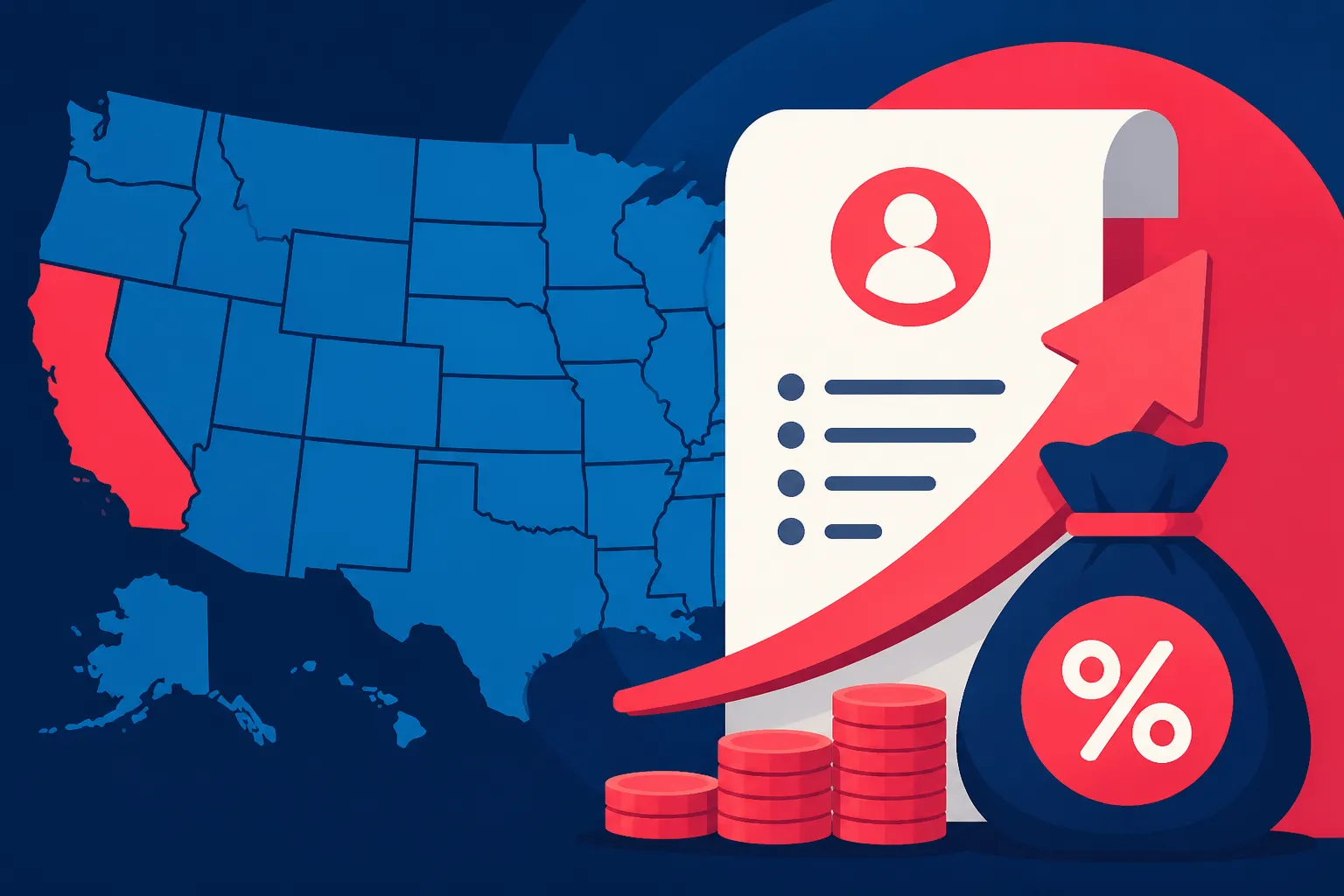
- California: Ah, the Golden State! California consistently holds the top spot for the highest state income tax rate in the nation. For 2026, the highest marginal rate is expected to remain at a whopping 13.3%. This applies to taxable income over a very high threshold, meaning it primarily impacts high-income earners. However, even lower brackets are quite substantial. California's vast social programs, extensive infrastructure, and public services demand significant revenue. This is why when people ask Is California Tax Friendly? Full Breakdown, the answer for high earners is often a resounding "not really."
- Hawaii: Paradise comes at a price, and in Hawaii, that price includes a high income tax. The state's top marginal rate is typically around 11%. Given the high cost of living on the islands, this can significantly impact residents' disposable income.
- New Jersey: Just across the river from the Big Apple, New Jersey also boasts high income tax rates. Its top marginal rate is currently around 10.75% for the highest earners. This Garden State's proximity to major economic centers and its commitment to public services contribute to these rates. For those working across state lines, the complexities can be even greater, as explored in our guide, Live in NJ Work in NY: Tax Guide.
- New York: The Empire State, particularly New York City, is another high-tax locale. While the state's highest marginal rate is around 10.9%, residents of NYC face additional local income taxes. This combination can result in one of the highest overall tax burdens in the country. Our article on New York Income Tax Brackets 2026 gives a detailed breakdown of how these rates are applied.
- Oregon: Known for its natural beauty and vibrant cities, Oregon also has one of the higher income tax rates, with a top marginal rate of around 9.9%. This progressive system helps fund state services without a statewide sales tax, which is a key distinguishing factor.
- Minnesota: The North Star State is another with a progressive income tax system and a top marginal rate typically around 9.85%. Minnesota funds a strong social safety net and robust public education system through these rates.
- Vermont: This picturesque New England state has a top marginal income tax rate of approximately 8.75%. While not as high as California, it still ranks among the higher states, reflecting its commitment to public services and often, environmental initiatives.
- Massachusetts: The Bay State rounds out some of the top-tier states with a high income tax, though it has a somewhat unique system. While its official personal income tax is a flat rate of 5%, it also has a 9% tax on capital gains for high earners, and other surcharges can push the effective rate higher for certain income levels, placing it among states with a higher overall burden for some.
It's important to remember that these are top marginal rates, and most people will pay a lower effective rate overall.
Factors Contributing to High Rates
Why do these states consistently have such high income tax rates? It's usually a combination of several interconnected factors:
- Extensive Public Services and Infrastructure: Many high-tax states offer robust public services, including education, healthcare, transportation, and social safety nets. Maintaining top-tier schools, comprehensive public transportation systems, and significant social programs requires substantial funding. These states often prioritize these investments, which are paid for through higher tax revenues.
- High Cost of Living: States with a high cost of living, like California, New York, and Hawaii, often have higher wages to match. This means a larger tax base at higher income levels, which can support higher rates. However, it also means that even with higher pay, residents might feel the pinch more due to the baseline expenses.
- Large and Dense Populations: Densely populated states, particularly those with major metropolitan areas, face higher demands for infrastructure and services. Think about the extensive subway systems in New York or the vast highway networks in California. Managing the needs of millions of residents requires significant investment.
- Lack of Other Major Revenue Streams: In some cases, states might rely more heavily on income tax because they have lower or no sales tax (like Oregon) or property taxes, though many of these states also have high property taxes. It's a balancing act to generate sufficient revenue, and the income tax often bears a heavier load.
- Economic Inequality and Progressive Policies: States with a strong progressive political leaning may favor taxing higher incomes more substantially to address economic inequality and fund programs intended to benefit a broader spectrum of the population. This is a core philosophy behind many progressive tax structures.
Beyond the Top Line Rate: The Full Tax Picture
Looking solely at the highest marginal income tax rate can be misleading. While it's a significant piece of the puzzle, it's never the entire picture. To truly understand your tax burden and the overall cost of living, you need to consider all the taxes you pay and what you get in return. As SmartAsset often points out, a low income tax state might hit you hard in other areas.
Other Taxes to Consider
Your wallet isn't just affected by income tax. There are several other major tax categories that contribute to your overall financial load:
- Property Taxes: These are levied on real estate and can be a substantial expense, especially in desirable areas. Many states with low or no income tax make up for it with higher property taxes. For instance, while Washington state has no income tax, property taxes can be considerable. Our article on Property Tax Credits & Homestead Exemptions by State delves into ways you might offset some of these costs.
- Sales Taxes: Applied to goods and services you purchase, sales taxes can significantly impact your daily spending. Some states have high sales taxes, while others, like Oregon, have none.
- Excise Taxes: These are taxes on specific goods, like gasoline, tobacco, or alcohol. While often smaller, they add up, especially if you regularly consume these taxed items.
- Local and City Income Taxes: As mentioned with New York City, some cities or counties impose their own income taxes on top of the state’s. This can drastically increase your overall tax bill. Our guide on Local & City Income Taxes in the US provides more details on where these apply.
It's critical to consider the cumulative effect of all these taxes. A state with a moderate income tax rate might have very low property or sales taxes, making its overall tax burden more manageable than a state with a high income tax and high property taxes. This is why comparing the Cost of Living vs Taxes by State is so important for a holistic view.
Cost of Living and Quality of Life
Here's where the conversation gets truly nuanced. While high taxes can be a pain point, they often coincide with a higher cost of living and, crucially, a higher quality of life.
- The Trade-Off: States with high income taxes often fund excellent public services. Think about the quality of schools in suburban New Jersey or the extensive public transportation in New York. These benefits might be worth the higher tax bill for many residents, particularly those who utilize these services heavily.
- Job Markets and Opportunities: High-tax states like California and New York are economic powerhouses, offering unparalleled job opportunities in many sectors. The higher salaries found in these areas can help offset the tax burden, though it's important to consider the net effect.
- Cultural Amenities and Lifestyle: These states often boast vibrant cultural scenes, diverse communities, and access to world-class entertainment, dining, and natural attractions. For some, these lifestyle benefits are a non-negotiable part of their living experience.
Ultimately, whether a high-tax state is "worth it" depends entirely on your personal priorities, financial situation, and what you value most in a place to live.
Navigating High-Tax States
Living in a state with a high income tax rate doesn't necessarily mean you're doomed to hand over an exorbitant amount of your paycheck. With smart planning and an understanding of the available tools, you can often mitigate some of the impact.
Strategies for Residents
Even in high-tax environments, there are ways to optimize your financial situation:
- Maximize Deductions and Credits: This is paramount. States offer various deductions and credits that can reduce your taxable income or directly lower your tax bill. These can range from deductions for contributions to 529 college savings plans to credits for dependent care or energy-efficient home improvements. For instance, many states offer a State Earned Income Tax Credits (EITC) Guide or State Child Tax Credits 2026 that can provide significant relief. Make sure you understand what your specific state offers.
- Understand the SALT Cap: The federal "SALT" (State and Local Tax) deduction cap limits how much state and local taxes you can deduct on your federal return to $10,000. This disproportionately affects residents in high-tax states. It's important to understand How the SALT Cap ($40,000) Affects State Taxes and how it might impact your overall federal tax liability.
- Tax-Advantaged Savings: Utilize retirement accounts like 401(k)s and IRAs, and health savings accounts (HSAs) to reduce your taxable income. Many states also offer deductions for contributions to these accounts, amplifying your savings.
- Professional Tax Advice: For complex situations, especially if you have significant income, investments, or move between states, consulting a qualified tax professional is invaluable. They can help you navigate state-specific nuances, identify all eligible deductions, and ensure you're compliant while minimizing your tax burden. Resources like SmartAsset can also help connect you with financial advisors who specialize in tax planning.
The Impact on Different Income Levels
High income tax rates don't affect everyone equally. The progressive nature of these systems means the burden is often skewed:
- High-Income Earners: These individuals feel the brunt of the highest marginal rates. They are the primary targets of the highest brackets and often find a significant portion of their income flowing to state coffers. This is why you often hear about high earners considering moving to states with no income tax. For some, the search for Best States for High Earners (Tax) becomes a real priority.
- Middle-Income Earners: While they don't hit the top brackets, middle-income earners in high-tax states still face substantial rates compared to their counterparts in lower-tax states. The combined impact of state income tax, sales tax, and property tax can be a significant drag on their disposable income, especially in areas with high costs of living.
- Lower-Income Earners: Typically, lower-income individuals benefit most from progressive tax structures, as their income falls into the lowest tax brackets. Many states also offer specific credits, like the Earned Income Tax Credit, designed to provide financial relief to these groups, often resulting in a much lower effective tax rate, or even a refund.
Understanding these dynamics is key for anyone trying to make informed decisions about where to live, work, and retire. It’s not just about the raw percentages; it’s about how those percentages interact with your individual income and financial goals.
The Highest State Income Tax Rates (Top 10 – 2026 Projections)
Here’s a quick overview of states with some of the highest projected top marginal income tax rates. Remember, these are marginal rates and don't reflect your effective tax rate, which will be lower.
| State | Highest Marginal Rate (Approx. 2026) | System Type | Notes |
|---|---|---|---|
| California | 13.3% | Progressive | High cost of living, significant services |
| Hawaii | 11.0% | Progressive | High cost of living, island economy |
| New Jersey | 10.75% | Progressive | Proximity to NYC, strong public services |
| New York | 10.9% (State) + Local Tax | Progressive | High cost of living, NYC local taxes |
| Oregon | 9.9% | Progressive | No statewide sales tax |
| Minnesota | 9.85% | Progressive | Robust social safety net, education funding |
| Massachusetts | 5.0% (Flat) + 9% Capital Gains | Flat/Hybrid | Flat income tax, high capital gains tax |
| Vermont | 8.75% | Progressive | Focus on public services |
| District of Columbia | 8.95% | Progressive | Not a state, but high rates apply |
| Maryland | 5.75% (State) + Local County Tax | Progressive | "Piggyback" local taxes, see Maryland County Income Taxes (Piggyback) |
Rates are approximate and subject to change. This table focuses on the statutory highest marginal rate for individual income taxes and may not include all surcharges or specific situations.
Final Thoughts on High State Income Taxes
The world of state income taxes is intricate, and the states with the highest rates are no exception. While the numbers might seem daunting at first glance, a deeper understanding reveals a complex interplay of economic factors, public policy, and quality of life considerations. It's about more than just a percentage; it's about evaluating the total package that a state offers. Whether you're a high earner or just starting out, grasping these details empowers you to make smarter financial decisions and navigate your tax obligations with greater confidence.
Disclaimer
Please remember that tax laws are incredibly complex and can change frequently. This article provides general information and should not be considered personalized tax advice. For specific guidance tailored to your situation, please consult with a qualified tax professional or financial advisor.